
Product System
Chemical Reactor Coating
Chemical Reactor Coating for industrial B2B projects requiring chemical resistant coating, technical specification support, and RFQ quotation.
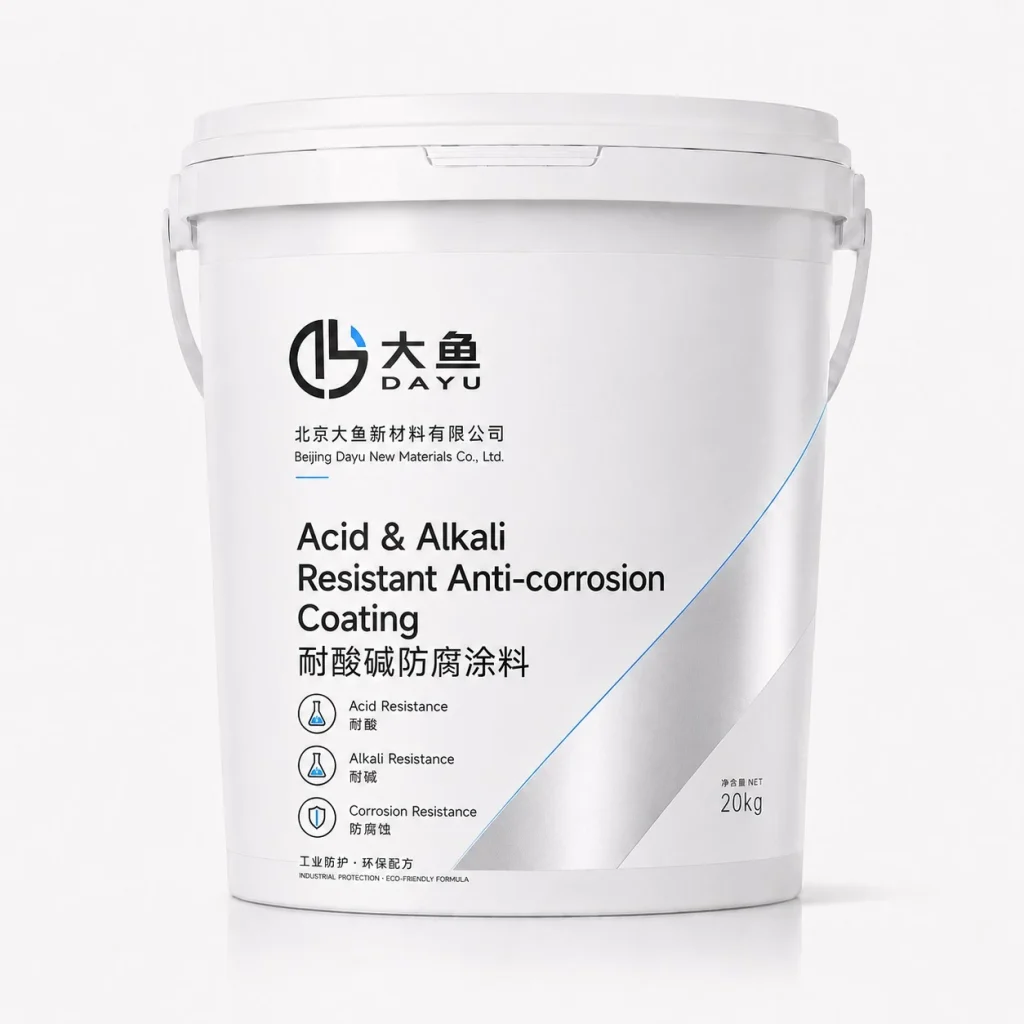
Engineering Overview
Problem
Reactors and surrounding containment zones face acid, alkali, solvent, heat, and cleaning chemical exposure that can rapidly destroy conventional coatings. For B2B plants, the cost is usually not the coating itself; it is energy loss, corrosion repair, production stoppage, safety exposure, and repeated maintenance work.
Solution
A chemically resistant lining isolates the substrate from splash, vapor, and intermittent contact while maintaining adhesion during temperature changes. The recommended build is chemical resistant primer, novolac epoxy barrier, solvent resistant finish. It should be specified after checking substrate condition, surface preparation method, peak temperature, exposure medium, dry film thickness, and return-to-service window.
Applications
Chemical Reactor Coating is commonly specified for Chemical Plant Coating, Pharmaceutical Plant Coating, Battery Plant Coating and equipment scenarios such as Chemical Reactor Coating, Reactor External Heat Protection, Concrete Bund Coating. Typical substrates include reactor shell steel, secondary containment concrete, stainless steel auxiliary parts.
- Chemical Resistance
- Solvent Resistance
- Splash Zone Protection
Technical Parameters
| Product category | Chemical Resistant Coating |
|---|---|
| Temperature resistance | -20C to 200C |
| Solid content | 74% |
| Density | 1.46 g/cm3 |
| Theoretical coverage | 4.0 m2/kg at 250 microns DFT |
| Drying time | 7h touch dry at 25C |
| Recommended thickness | 300-600 microns per chemical zone |
| Compatible substrates | reactor shell steel, secondary containment concrete, stainless steel auxiliary parts |
Internal Links
For industry requirements, review Chemical Plant Coating, Pharmaceutical Plant Coating, Battery Plant Coating. For application design, compare Chemical Reactor Coating, Reactor External Heat Protection, Concrete Bund Coating before finalizing coating thickness, primer choice, and inspection criteria.
RFQ Button Integration
Request RFQ for Chemical Reactor Coating
Core Benefits
- chemical-resistance
- solvent-resistance
- splash-zone-protection
Typical Applications
- Chemical Plant Coating
- Pharmaceutical Plant Coating
- Battery Plant Coating
- Chemical Reactor Coating
- Reactor External Heat Protection
- Concrete Bund Coating
Technical Data
| Temperature Resistance | 20C - 200C |
|---|---|
| Solid Content | 74% |
| Density | 1.46 g/cm3 |
| Coverage | 4.0 m2/kg at 250 microns DFT |
| Drying / Curing Time | 7h touch dry at 25C |
| Recommended Thickness | 300-600 microns per chemical zone |
| Material Compatibility | reactor shell steel, secondary containment concrete, stainless steel auxiliary parts |
Application Method
Surface preparation, mixing, application method, film thickness, curing condition and inspection process should be confirmed before construction. Spray, brush or roller application can be reviewed according to site access and coating system.
Project Evidence and RFQ
Only verified project records should be published in the case library. Submit an RFQ for project-specific engineering review.