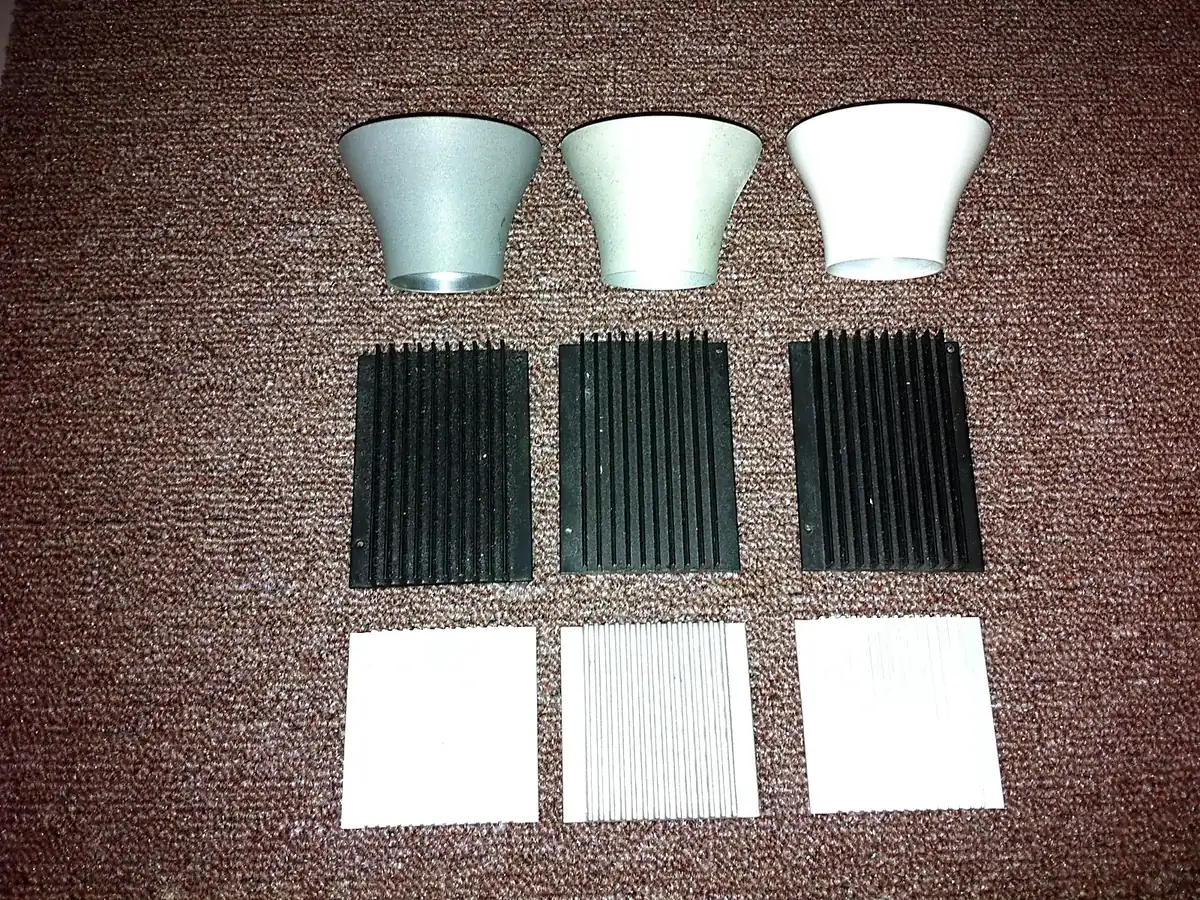
LED Thermal-Management Comparison Test, industrial site image

Case Studies

LED Thermal-Management Comparison Test

Equipment ManufacturingLED lighting assembly and heat-dissipation components
01

Equipment background

LED lighting assembly and heat-dissipation components operates within the Equipment Manufacturing process and requires protection that remains practical to inspect and maintain. Controlled comparison of comparable assemblies under the same power, measurement locations and stabilisation period.

Industry
Equipment Manufacturing
Equipment
LED lighting assembly and heat-dissipation components
02

How the problem develops

Environmental exposure

Controlled comparison of comparable assemblies under the same power, measurement locations and stabilisation period.

Operating conditions

The review focuses on the actual exposure of LED lighting assembly and heat-dissipation components: duty cycle, temperature changes, moisture or process media, dust or particle movement, vibration, access and shutdown constraints. Where a verified numerical value is unavailable, the condition is kept qualitative.

Problem analysis

A repeatable field method was needed to distinguish a thermal-management observation from an unsupported performance claim. Inspection should distinguish active defects from stable areas, confirm substrate soundness and cleanliness, and identify edges, welds, joints, low points and restricted-access zones before the repair scope is fixed.

Problem to address

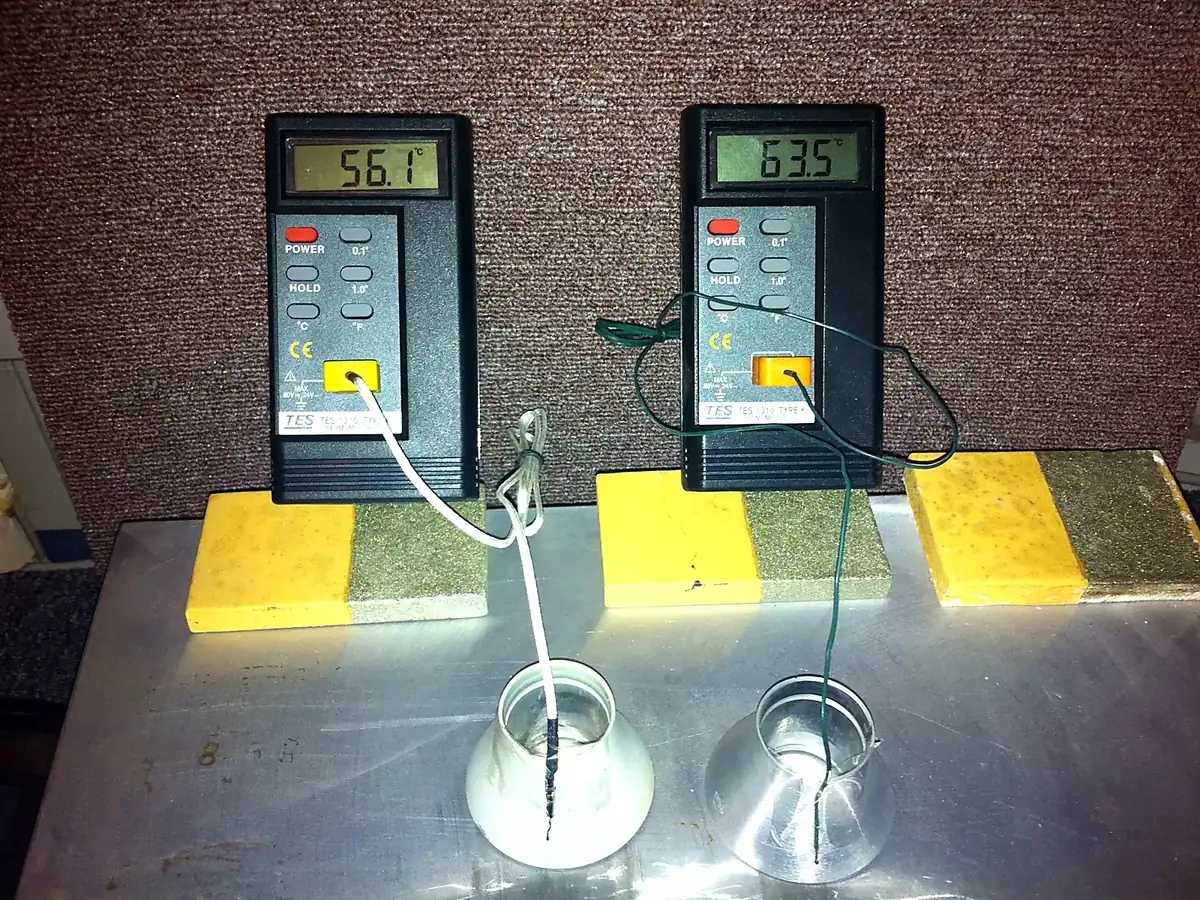
LED junction heat passes through several interfaces before reaching the ambient air. Differences in power, contact resistance, sensor position or stabilisation time can distort a comparison, so the test controls those variables.

03

Solution approach

Use a paired comparison, document the instruments and ambient condition, wait for stabilisation and report only the observed boundary.

04

Application and quality control

Application and quality control

Quality control covers substrate inspection, environmental records, material preparation, coverage at details, layer continuity, curing and representative inspection records. Unstable areas are corrected before the next layer or return to service.

Inspection and maintenance

Future inspections should revisit the same high-risk details, record changes in corrosion, wear, cracking, contamination or thermal condition, and repair local damage before it spreads. Maintenance intervals are set from the real operating exposure rather than a generic promise.

05

Site-condition images

The images document the operating condition and application review; no unverified performance figure is stated.

DAYU-X

Can't find the right solution?

Contact our technical team with the equipment, substrate, temperature and operating condition.

Contact technical team