
DAYU-X
Industrial Coating Technical Resources
Professional articles, application guides and practical answers covering corrosion, high temperature, wear, erosion, insulation, application and maintenance.
Resources
Find information from the operating condition
Start with the problem, industry or equipment, then continue to the related solution, product and project evidence.
Browse by industry
Browse by equipment
Resources
Featured technical articles
Technical Articles
Why Industrial Kilns Are a Priority for Energy Improvement
Kiln heat loss is influenced by the furnace structure, lining condition, sealing, exhaust temperature and operating practice.
Read resource
Technical Articles
Common Causes of Boiler Waterwall Corrosion
Fuel chemistry, a reducing atmosphere, ash flow, local temperature and erosion can act together on waterwall tubes.
Read resource
Technical Articles
Dew-Point Corrosion in Stacks, Ducts and FGD Equipment
When local surfaces fall below the acid dew point, moisture and corrosive gas components form an aggressive condensate.
Read resource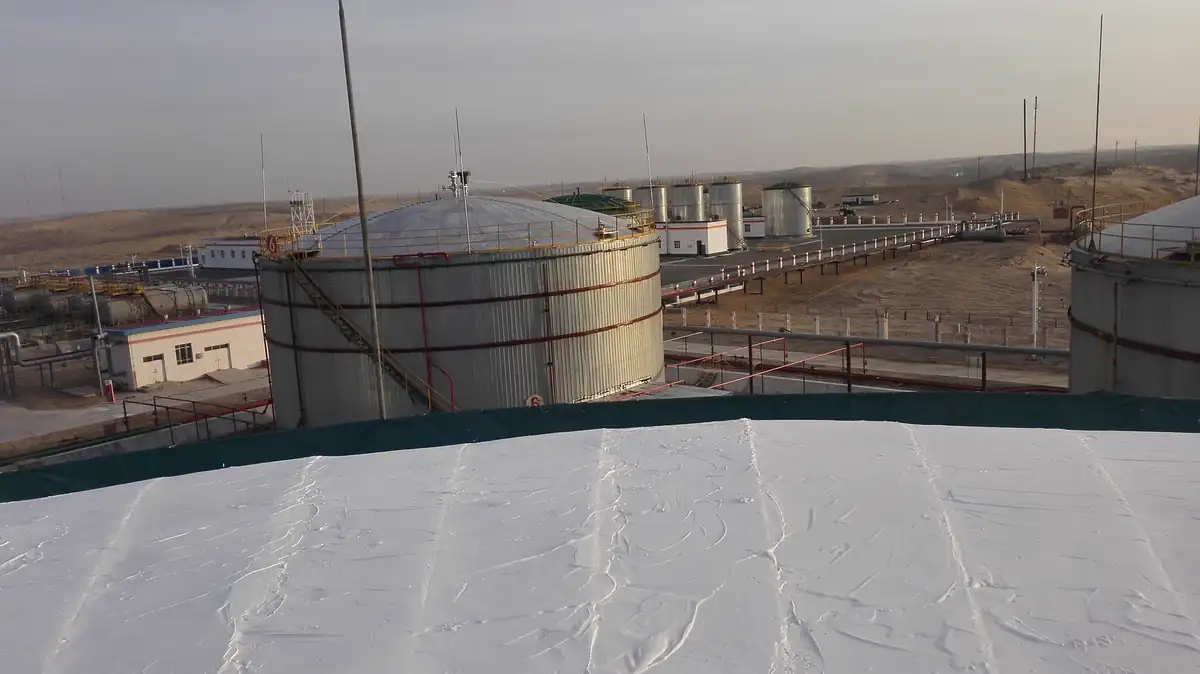
Technical Articles
Storage Tank Corrosion, Thermal Control and Maintenance
Tank interiors, shells, roofs and bottom rings face different media, weather and maintenance conditions.
Read resource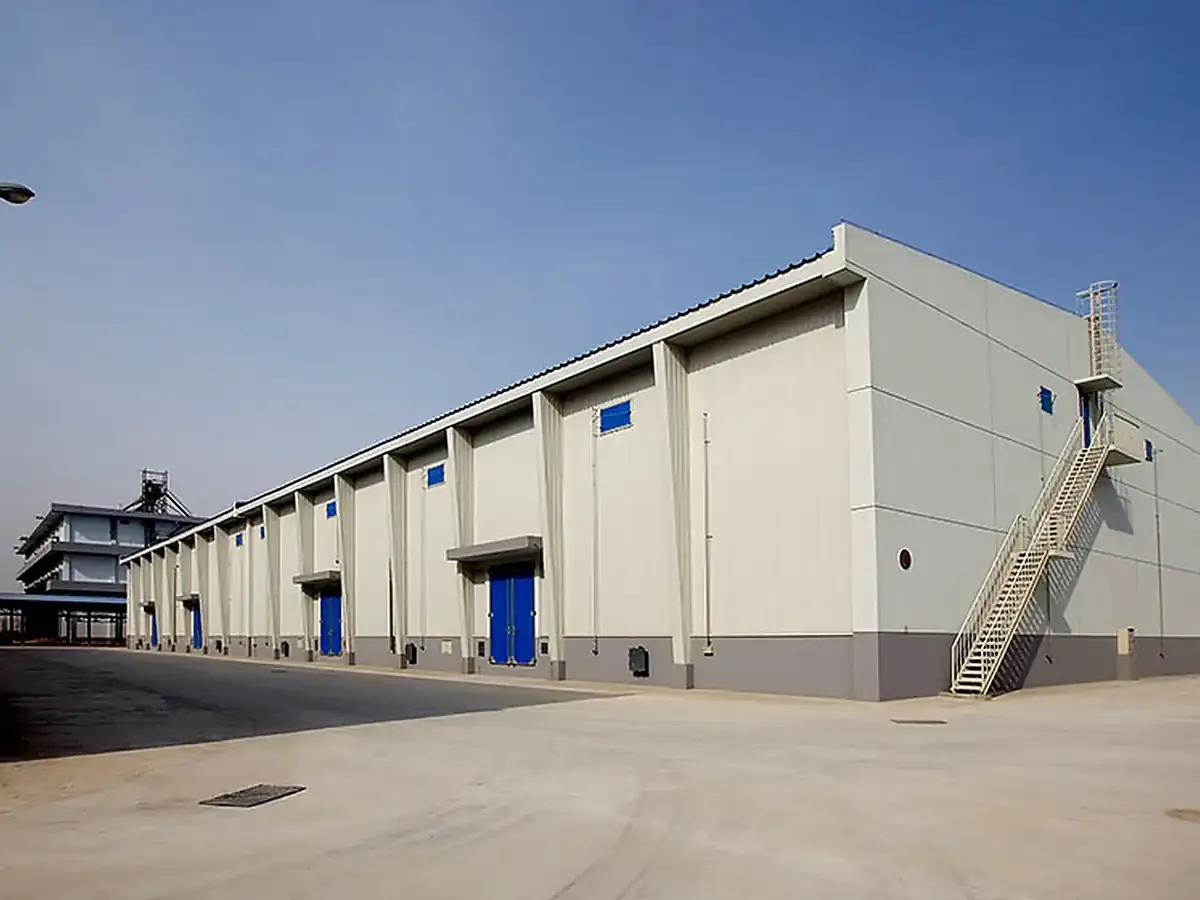
Technical Articles
Solar Reflective Coatings and Thermal Insulation Are Not the Same
Solar-reflective systems reduce absorbed solar energy; insulation systems reduce heat transfer from a hot process or space.
Read resource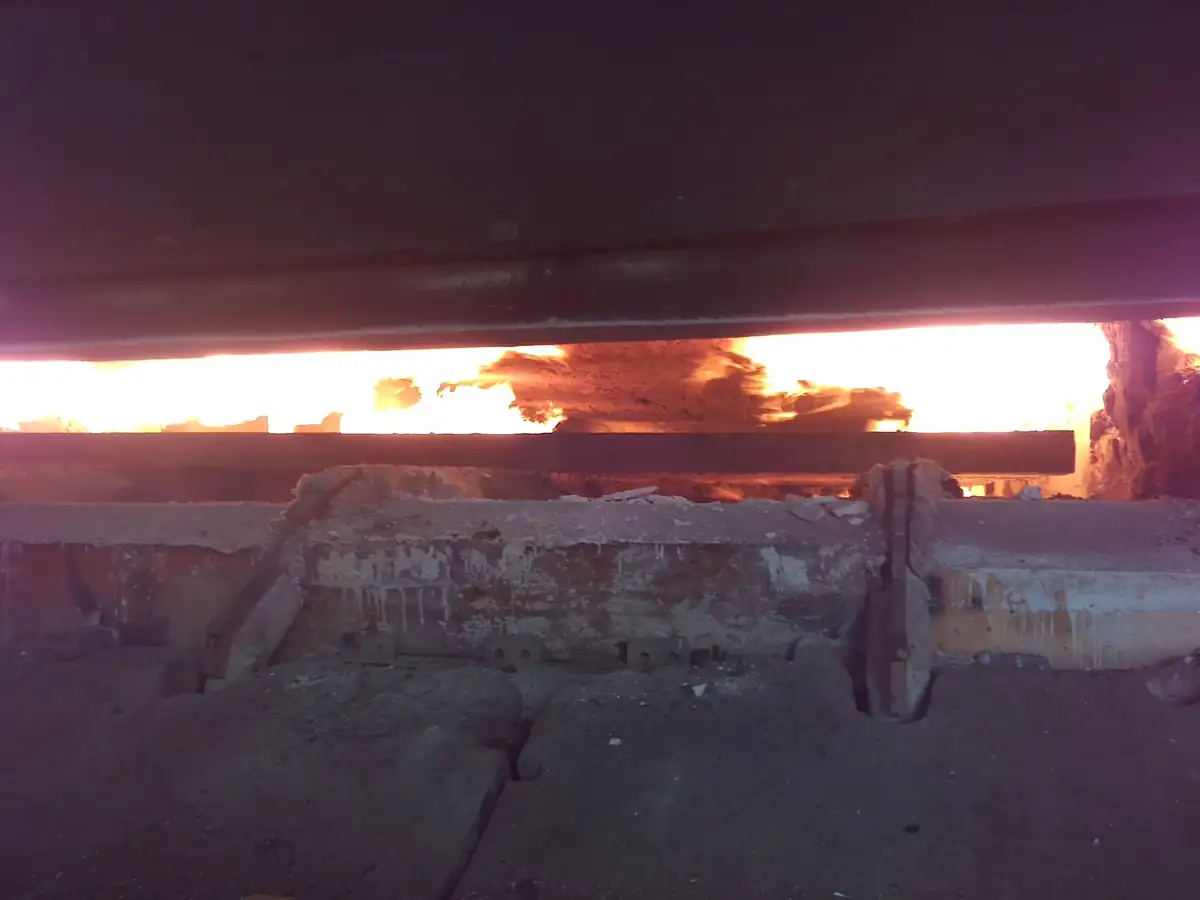
Technical Articles
Design Considerations for Composite Kiln Insulation
Rotation, thermal deformation, oxidation and maintenance access make kiln insulation a system-design task.
Read resourceShow the complete library
Technical Articles
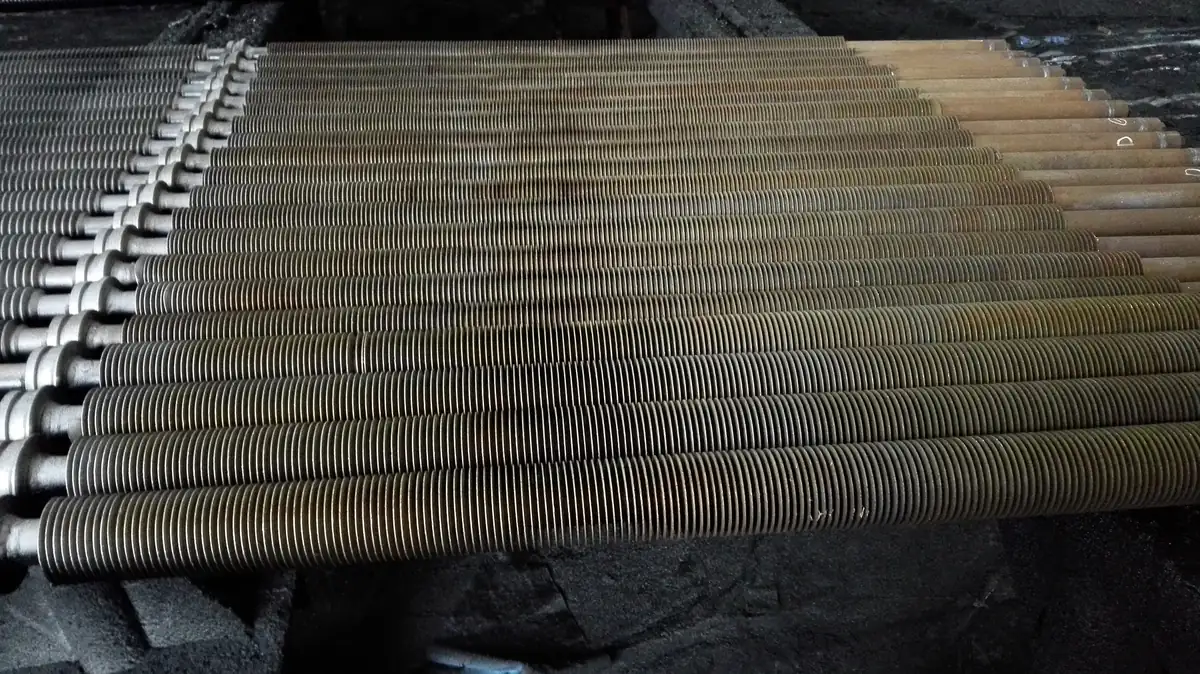
Corrosion Protection for Heat Exchangers and Finned Tubes
Large surface area and narrow gaps make cleaning, coverage and thickness control difficult.
Read resource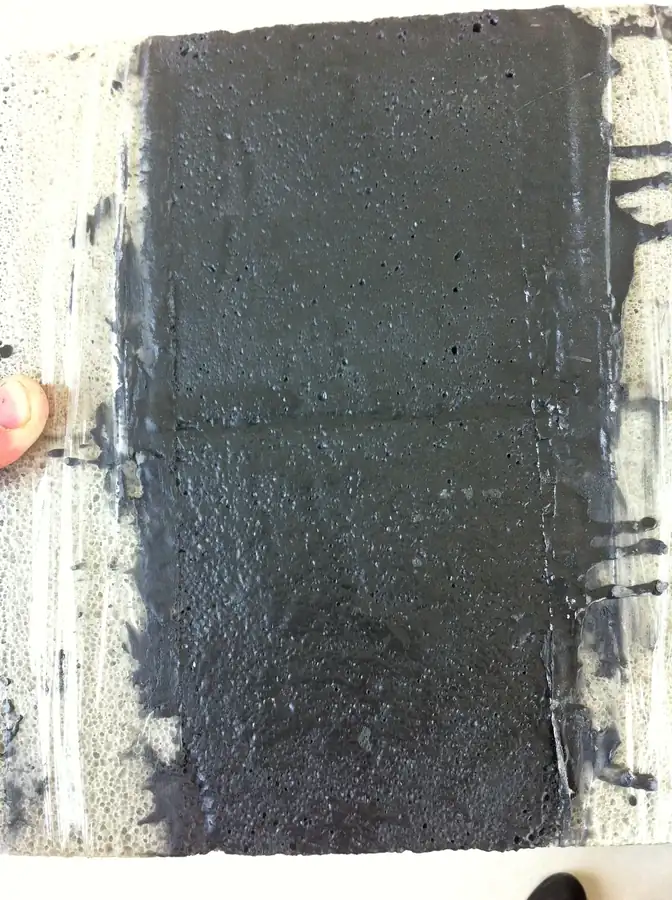
Technical Articles
Why High-Temperature Testing Should Include Thermal Cycling
Real components often experience heat, cooling, gas flow, particles and condensate rather than one constant condition.
Read resource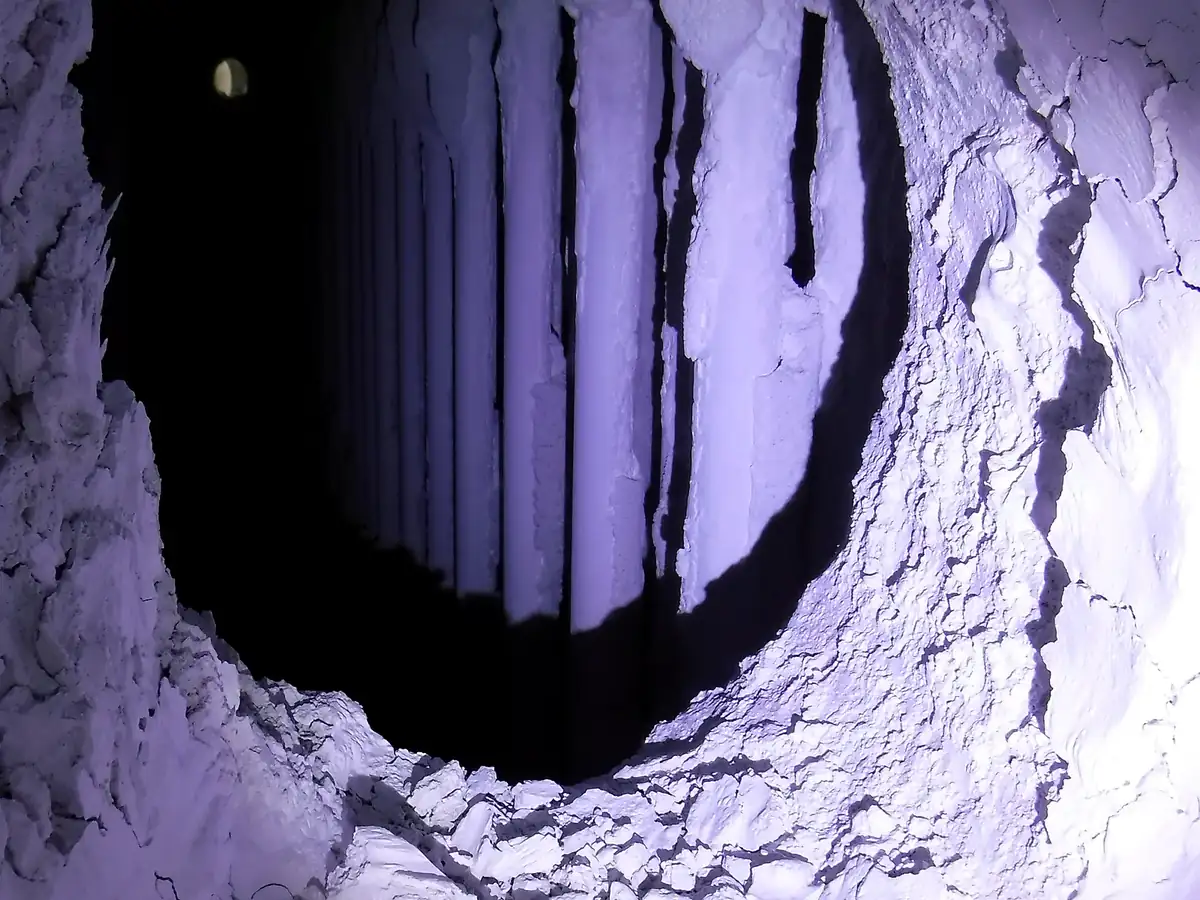
Technical Articles
Why Alkali Recovery Boilers Develop Slagging and Deposits
Inorganic salts and ash from black-liquor combustion can adhere to tube banks as temperature changes.
Read resource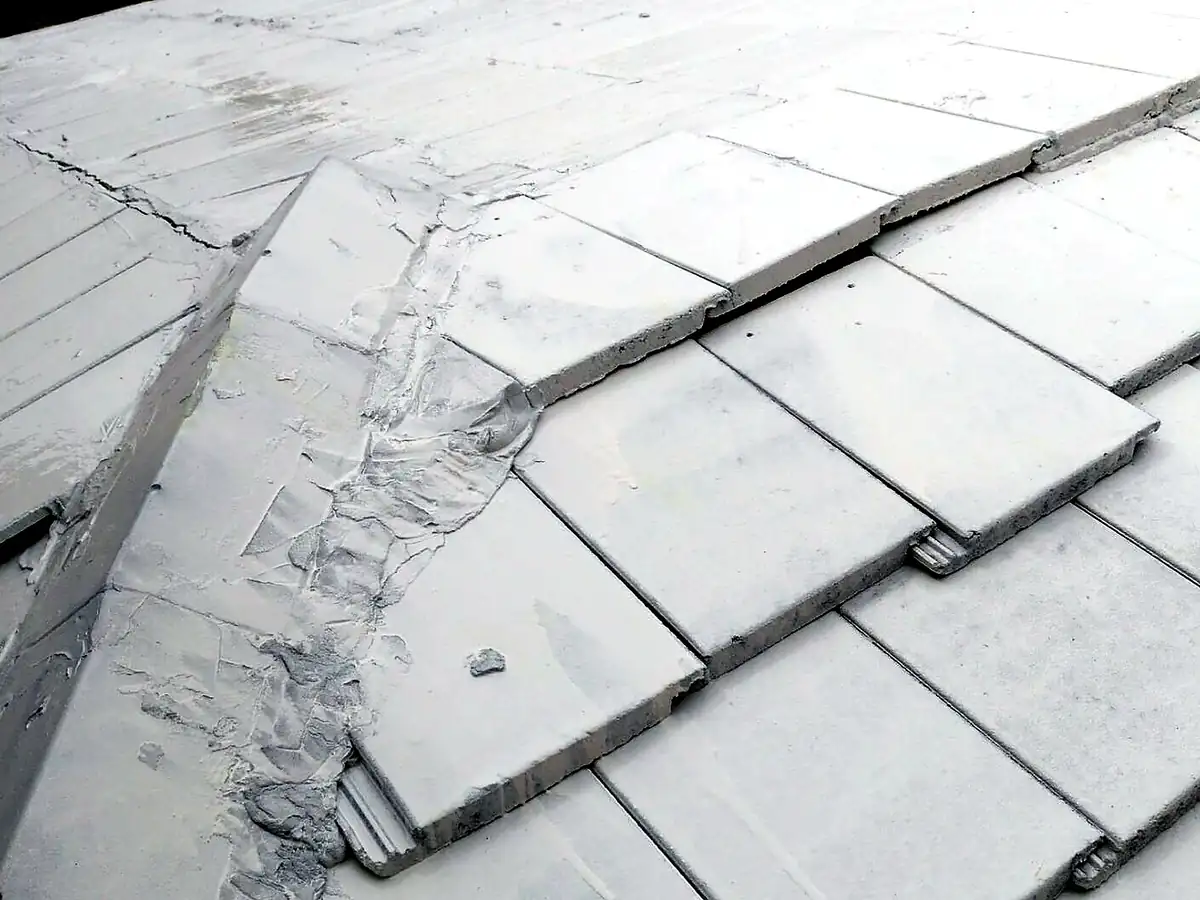
Technical Articles
Why Concrete Roof Coatings Crack or Peel
High moisture, untreated cracks, weak old layers and uneven application can undermine adhesion.
Read resource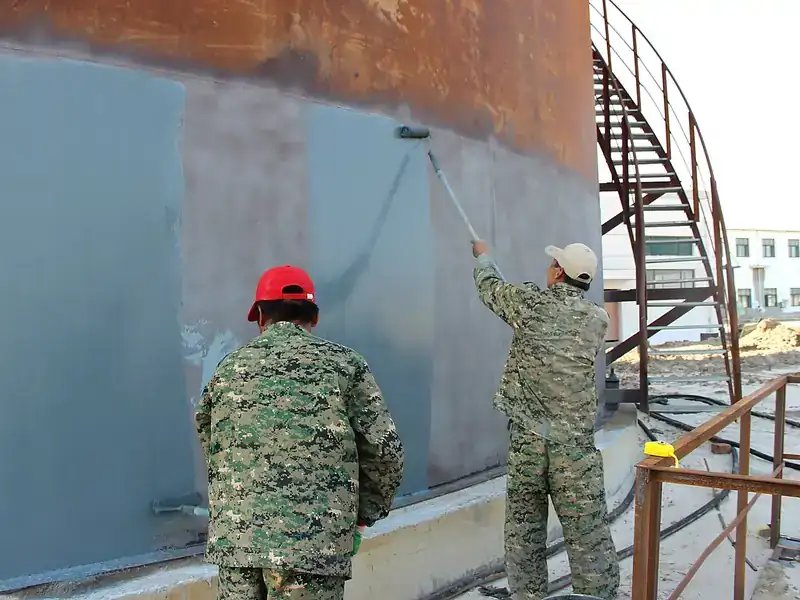
Technical Articles
How to Decide Whether an Existing Coating Must Be Removed
Cracking, blistering, powdering and intercoat separation require a condition-based decision rather than automatic overcoating.
Read resource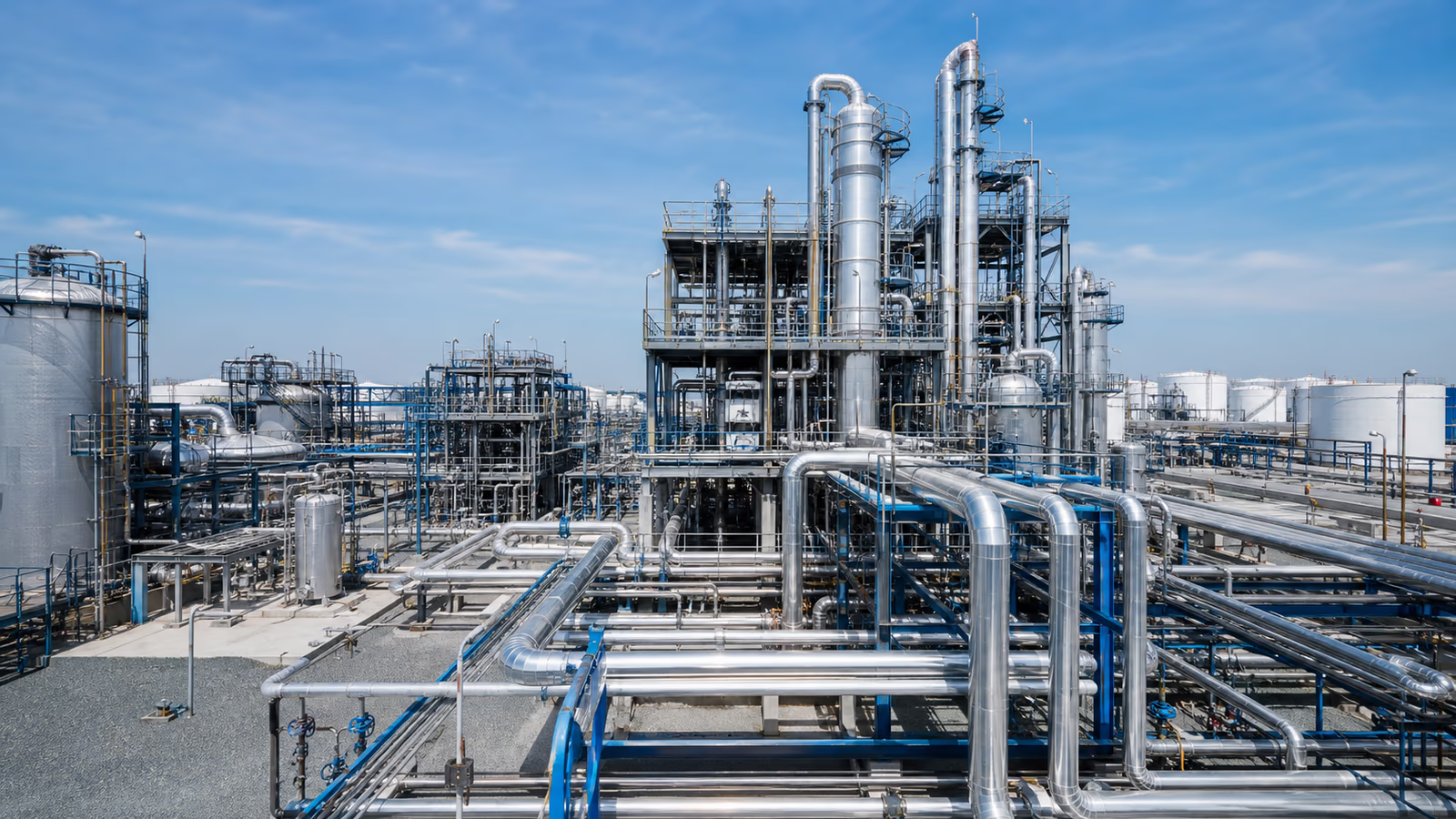
Technical Articles
Why Pipeline Corrosion Often Starts at Welds and Supports
Complex geometry around welds, supports and flanges traps water and makes coating thickness less uniform.
Read resource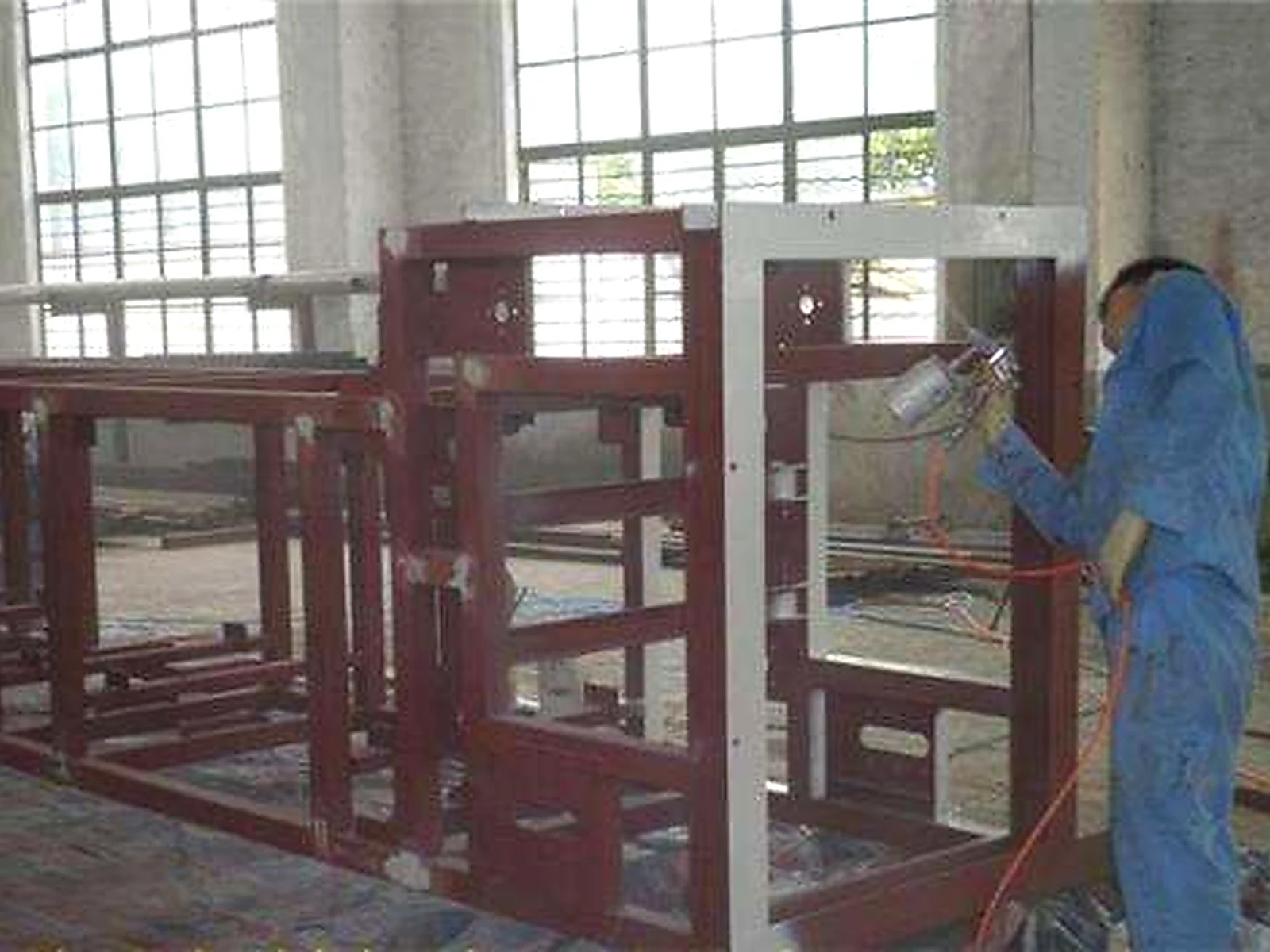
Technical Articles
Why Wastewater Facilities Must Separate Concrete and Metal Substrates
Pools, gratings, pipework and equipment combine porous concrete with electrochemically active metal.
Read resource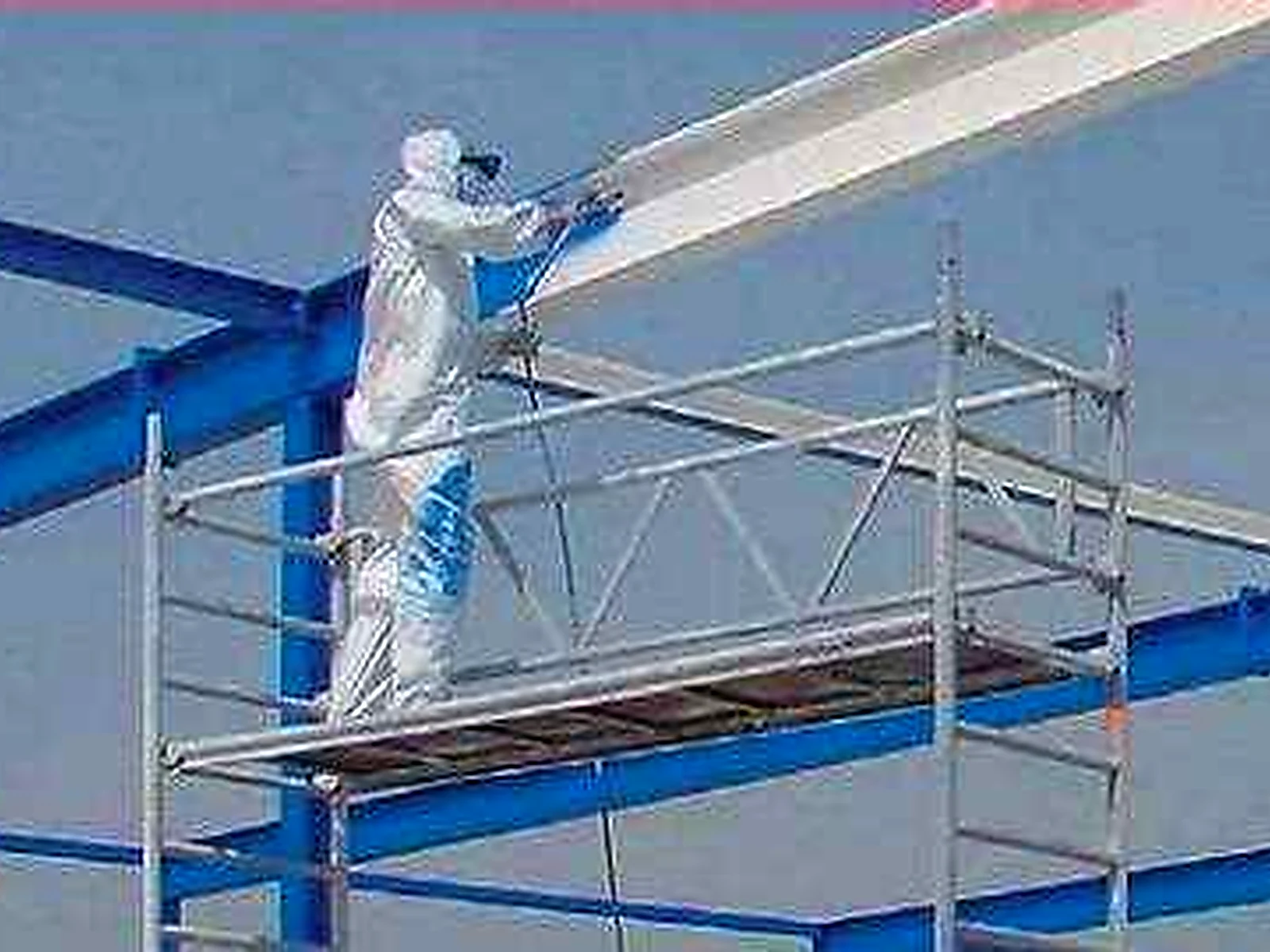
Technical Articles
Protecting Steel Structures in Marine Atmospheres
Salt, humidity, wet-dry cycles, ultraviolet exposure and mechanical damage accelerate corrosion at defects.
Read resource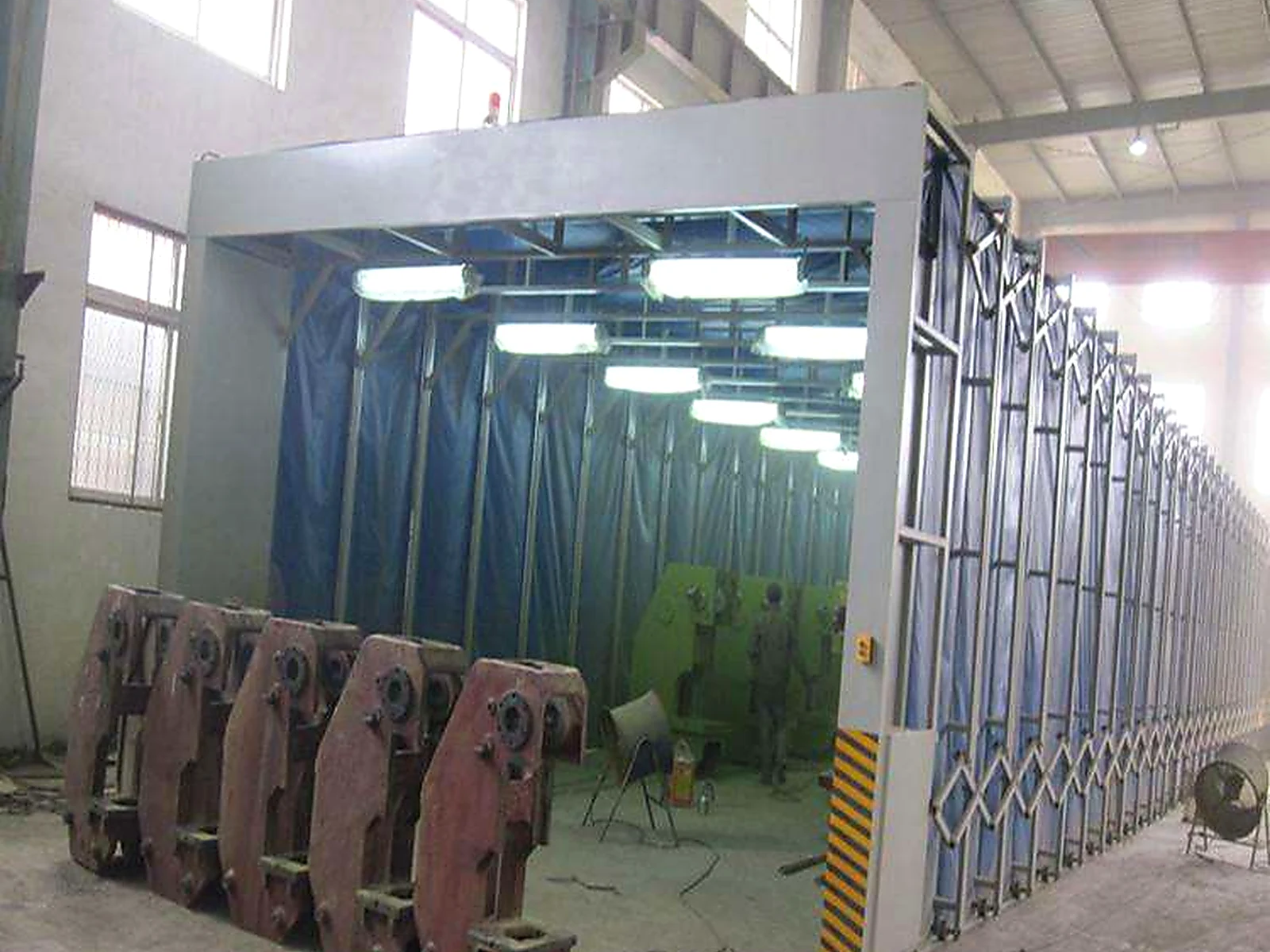
Technical Articles
Balancing Protection and Finish Quality in Equipment Spraying
Manufactured equipment must satisfy corrosion protection, assembly, transport, cleaning and finish requirements.
Read resource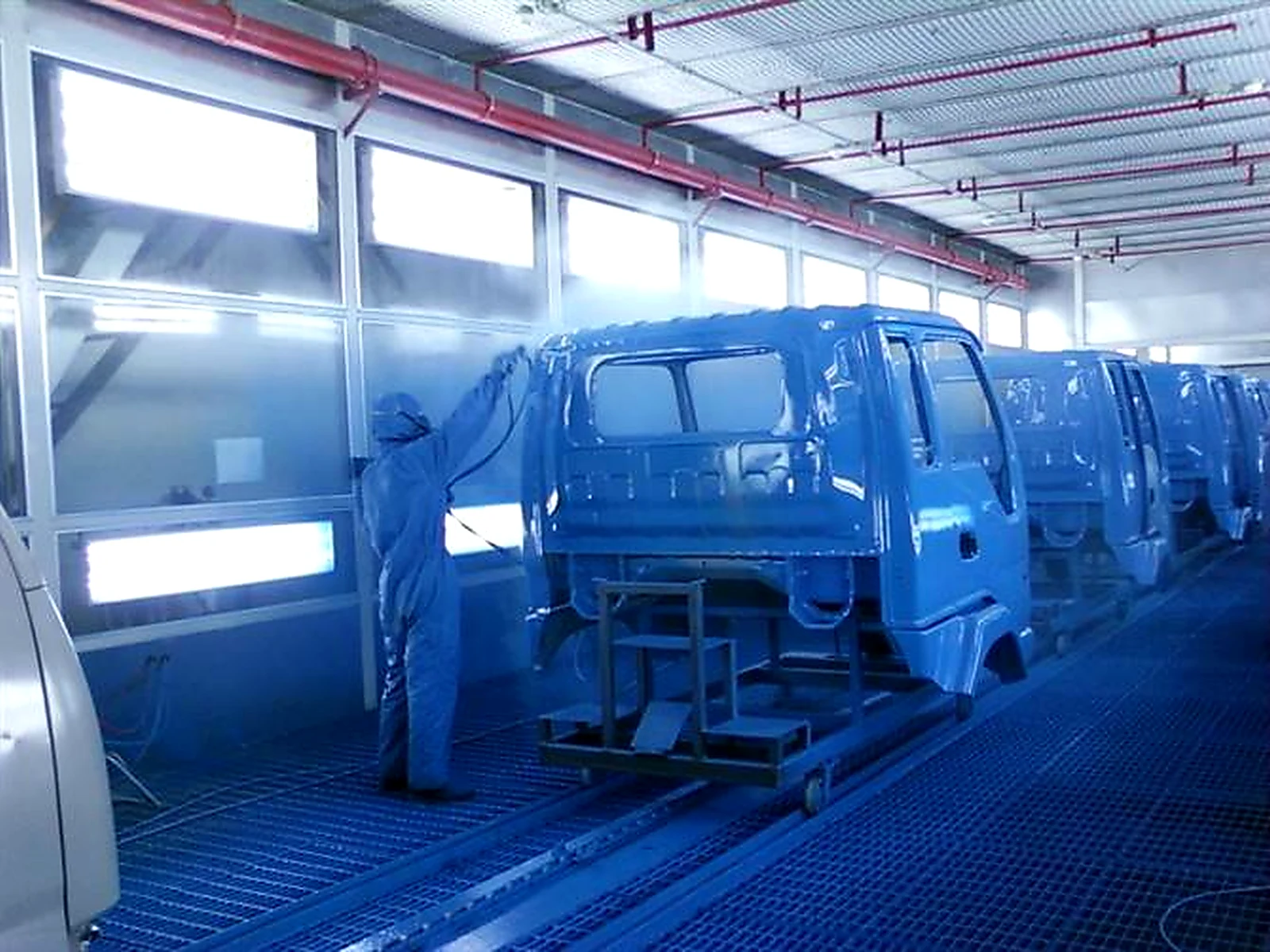
Technical Articles
Critical Controls for Waterborne Industrial Coatings
Waterborne systems are sensitive to temperature, humidity, ventilation, condensation and drying between coats.
Read resource
Technical Articles
Why Boiler Heating Surfaces Experience Wear and Corrosion
High-temperature flue gas, ash particles, local flow patterns, deposits and temperature gradients can act together on boiler tubes.
Read resourceTechnical Articles
Key Controls for Boiler Waterwall Protection
Waterwall protection depends on substrate inspection, surface cleanliness, profile, edge continuity, film build and curing conditions.
Read resource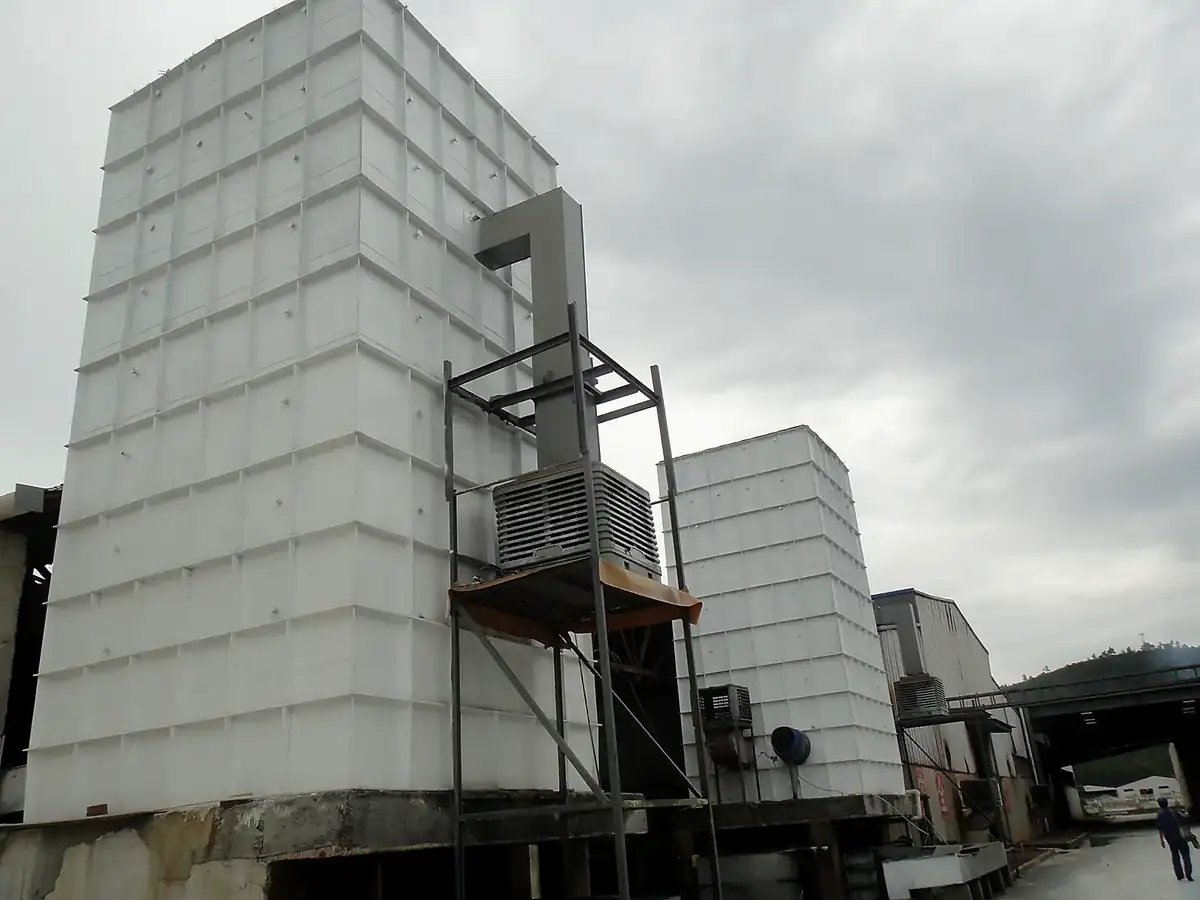
Technical Articles
Critical Controls for Solar-Reflective Industrial Roof Application
Roof performance depends on the condition of corrosion, old coating, joints, fasteners, drains and leak-prone details before the reflective finish is applied.
Read resource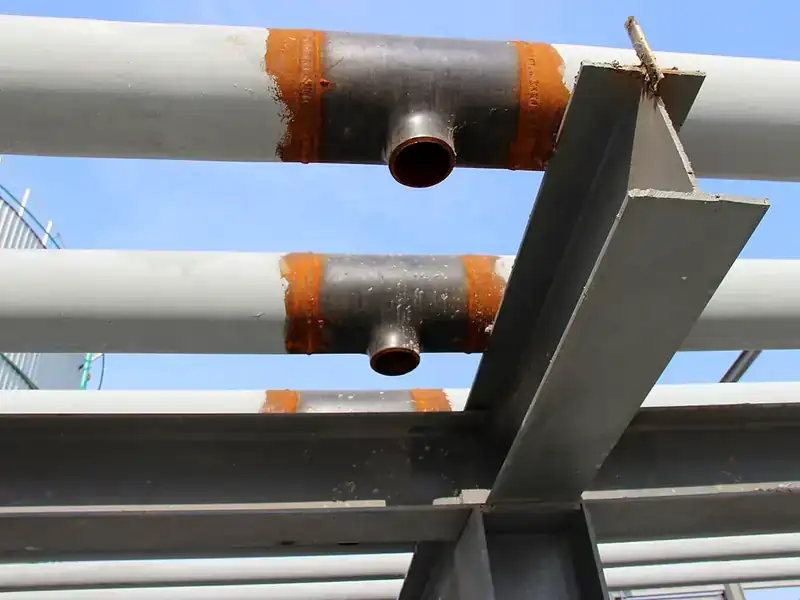
Technical Articles
Selecting Storage Tank Exterior Protection for the Exposure Environment
Industrial atmosphere, salt, ultraviolet exposure, condensation and temperature change affect the roof, shell, bottom ring and welds differently.
Read resourceTechnical Articles
Why Boiler and Flue Protection Cannot Be Selected by Temperature Alone
Boilers and flues may combine high temperature, acid condensation, particles, thermal cycling and restricted shutdown windows.
Read resource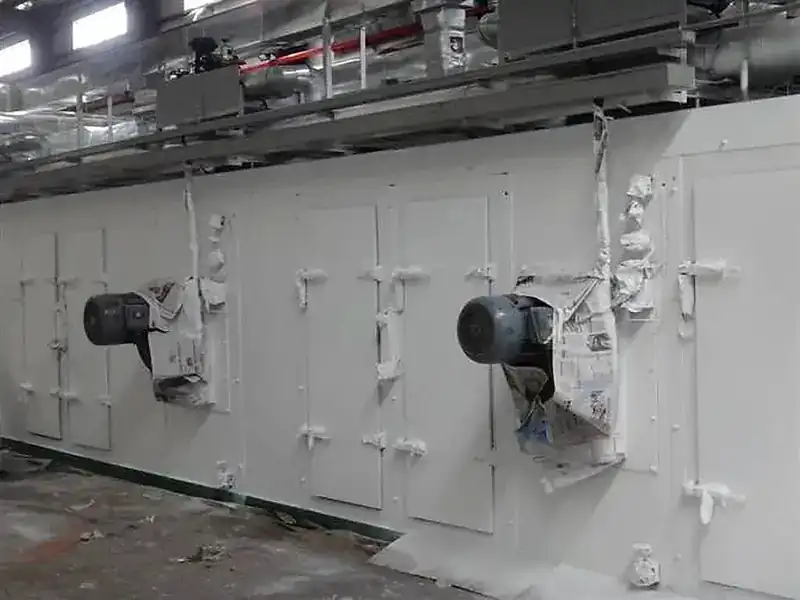
Technical Articles
Details That Determine Industrial Pipeline Insulation Reliability
Valves, flanges, supports, welds, penetrations and removable sections interrupt the thermal envelope and require individual planning.
Read resource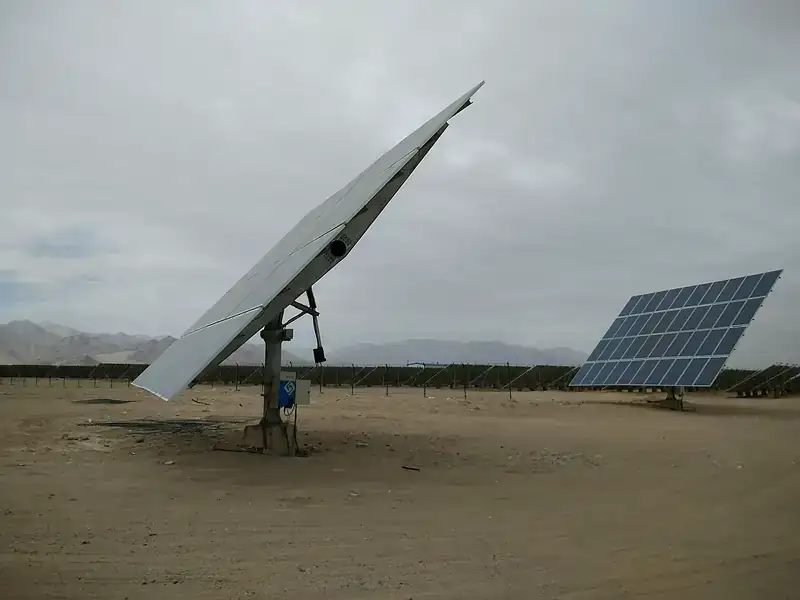
Technical Articles
Protecting Outdoor Solar-Equipment Support Structures
Outdoor supports combine ultraviolet exposure, rain, dust, fasteners, cut edges, dissimilar metals and difficult maintenance access.
Read resource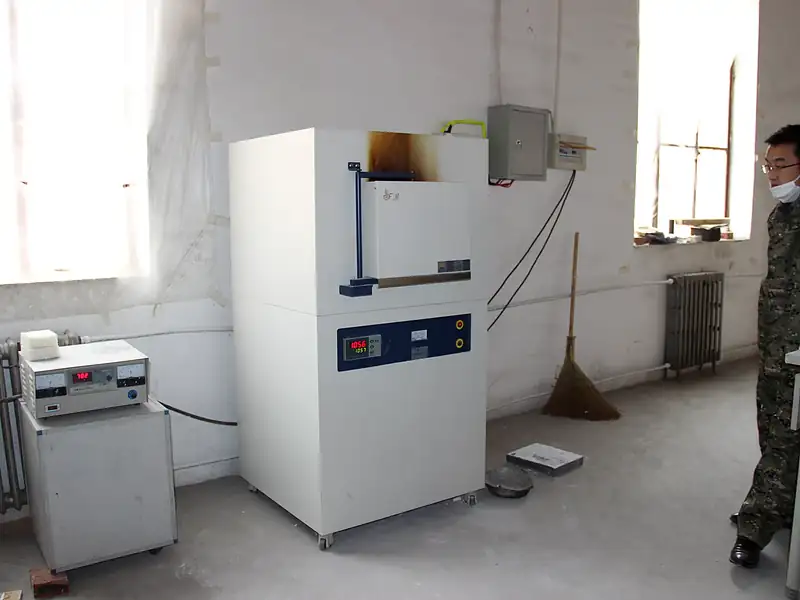
Technical Articles
Why Static-Dissipative Coatings Require a Grounding System
A dissipative layer can provide a controlled electrical path only when continuity, grounding points, substrate condition and the complete layer build are designed together.
Read resource
Technical Articles
Corrosion-Maintenance Priorities for Rail Vehicles and Equipment
Edges, seams, underbody zones, fasteners, drainage points and handling damage experience different combinations of water, salts, impact and vibration.
Read resource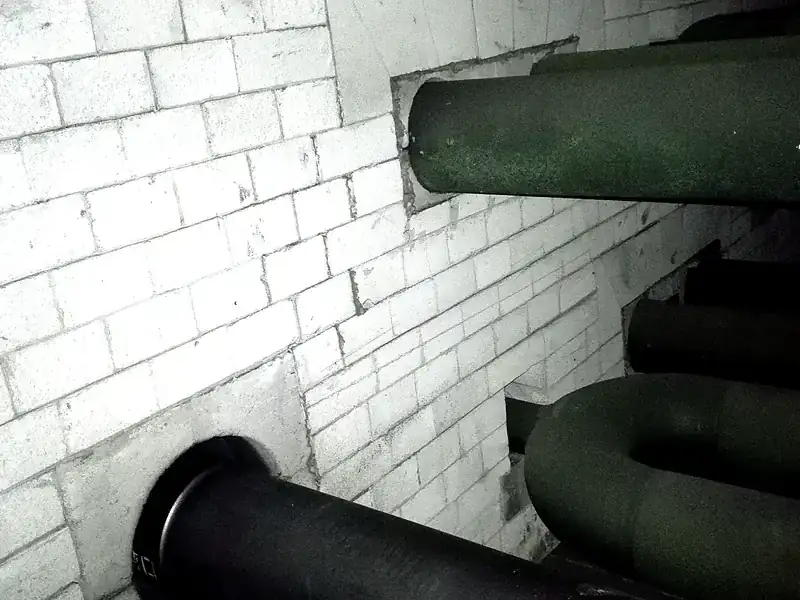
Technical Articles
What to Inspect in an Annealing Furnace During Shutdown
The lining, joints, radiant tubes, supports, burners and gas-flow zones interact, so isolated inspection can miss the cause of a recurring condition.
Read resource
Technical Articles
How to Classify Cracks in Industrial Furnace Linings
Surface drying cracks, joint movement, thermal-shock damage and structural displacement do not have the same cause or repair route.
Read resource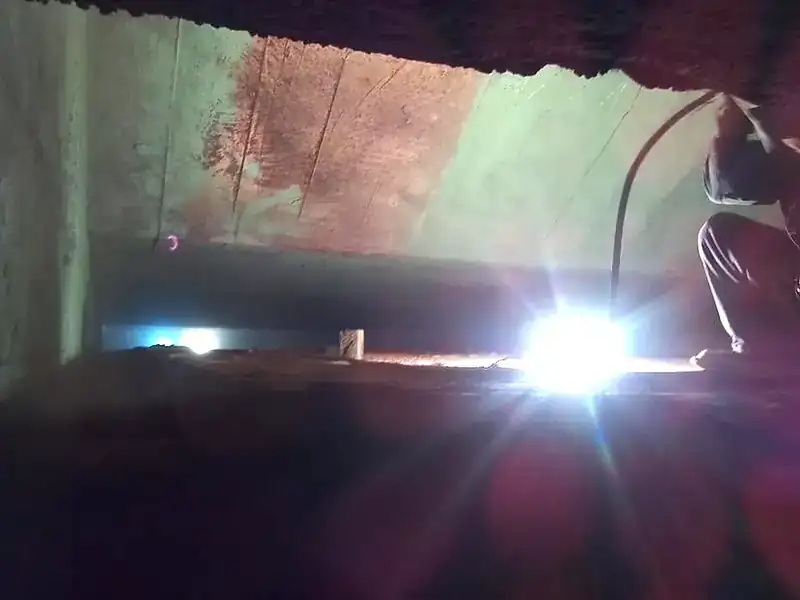
Technical Articles
Why High-Temperature Coatings Need Controlled Cure Before Service
Touch dry does not confirm that water, solvent or reaction products have left the complete film or that the layer is ready for rapid heating.
Read resource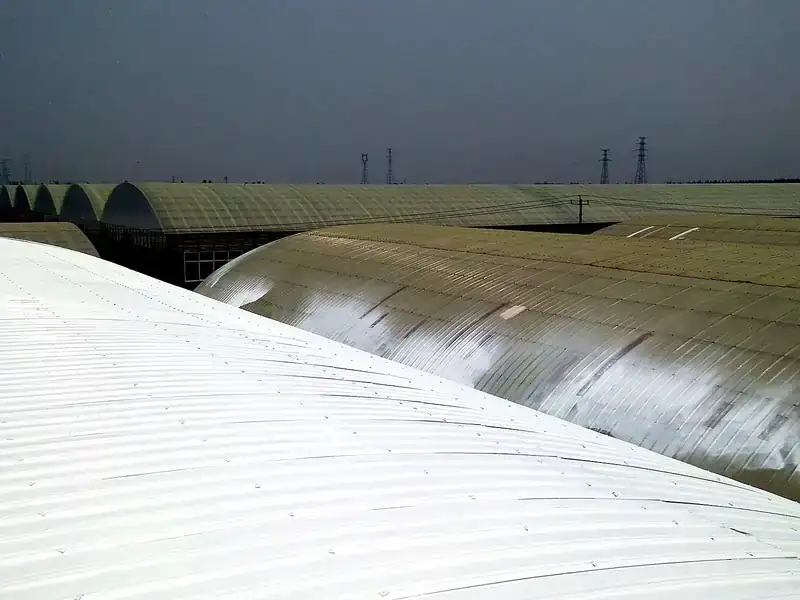
Technical Articles
How to Interpret Industrial Roof Temperature Measurements
Surface readings change with solar intensity, wind, cloud, colour, emissivity, roof construction, measurement angle and time.
Read resource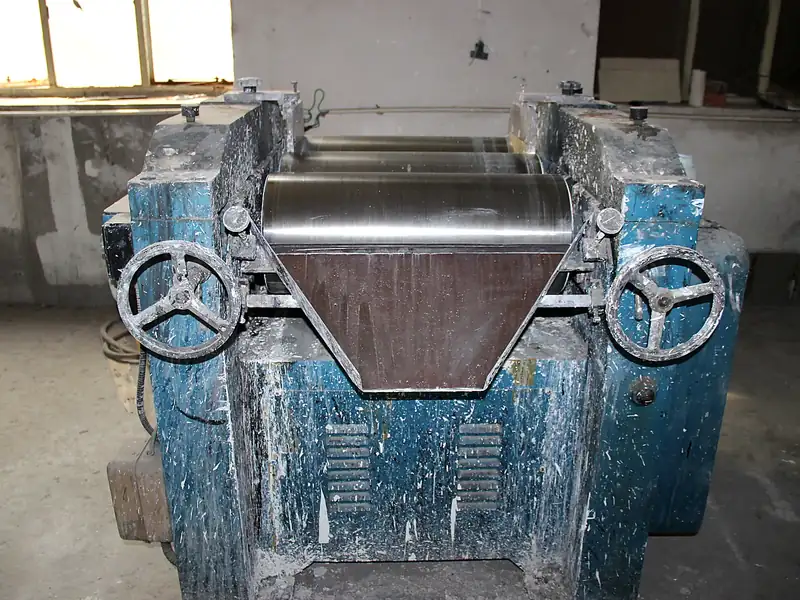
Technical Articles
Why Industrial Coating Production Requires Batch and Process Control
Raw-material identity, weighing, dispersion sequence, mixing energy, temperature, filtration, filling and retained samples affect consistency between batches.
Read resource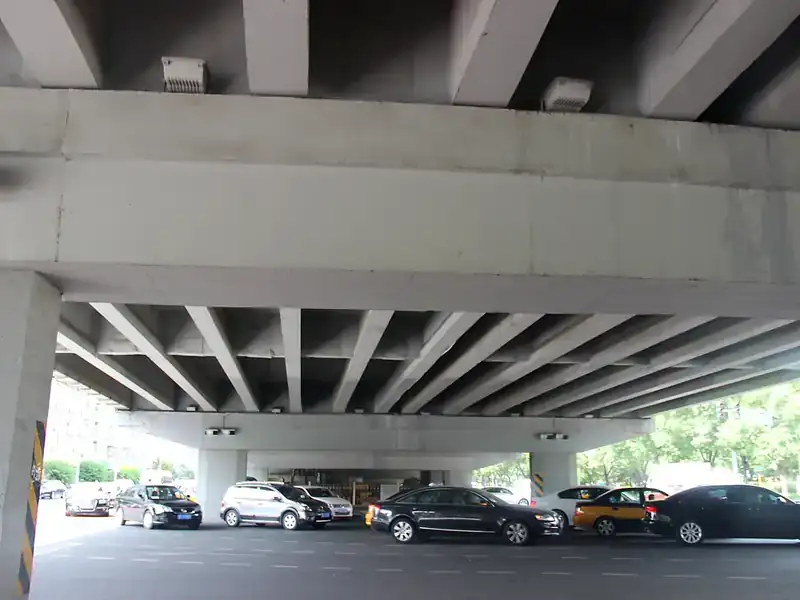
Technical Articles
Why Concrete Bridges Must Be Repaired Before Surface Protection
Cracks, delamination, exposed reinforcement, water paths and weak repair edges remain active beneath a finish if their cause is not addressed.
Read resource
Technical Articles
How to Verify a High-Temperature Insulation Trial
A useful field trial controls the substrate, heat source, measurement position, stabilisation period and operating state before comparing observations.
Read resource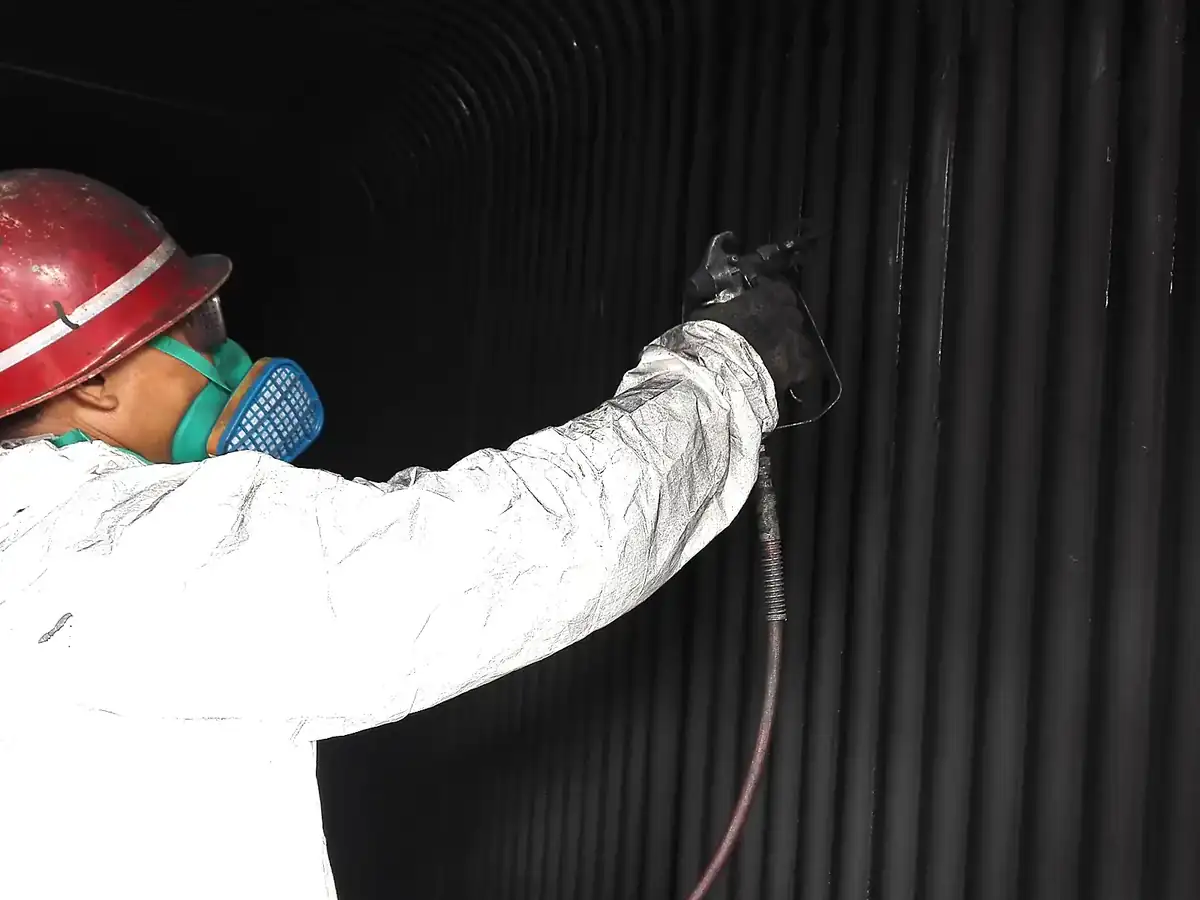
Technical Articles
Coverage Control on Dense Boiler Tube Banks
Tube sides, weld transitions and restricted spray angles create shadow zones where surface preparation and film build can become uneven.
Read resource
Technical Articles
How to Validate Wear and Non-Stick Performance on Process Equipment
Build-up and wear depend on the handled material, moisture, particle shape, contact pressure, speed, surface geometry and cleaning practice—not hardness alone.
Read resource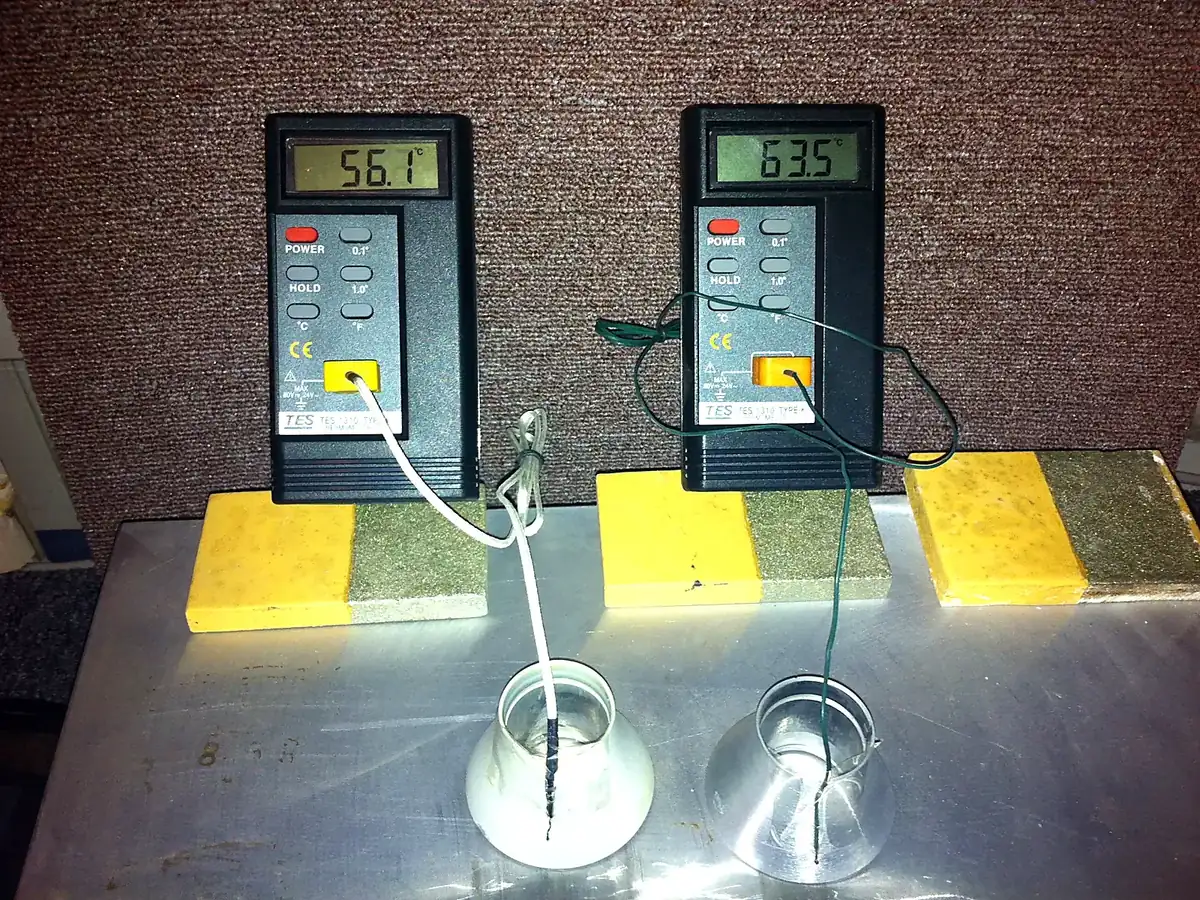
Technical Articles
A Practical Method for LED Thermal-Management Comparison
A credible comparison uses equivalent assemblies, the same electrical input, matched sensor locations and enough time for each system to approach a stable condition.
Read resourceResources
Application guides
Application Guides
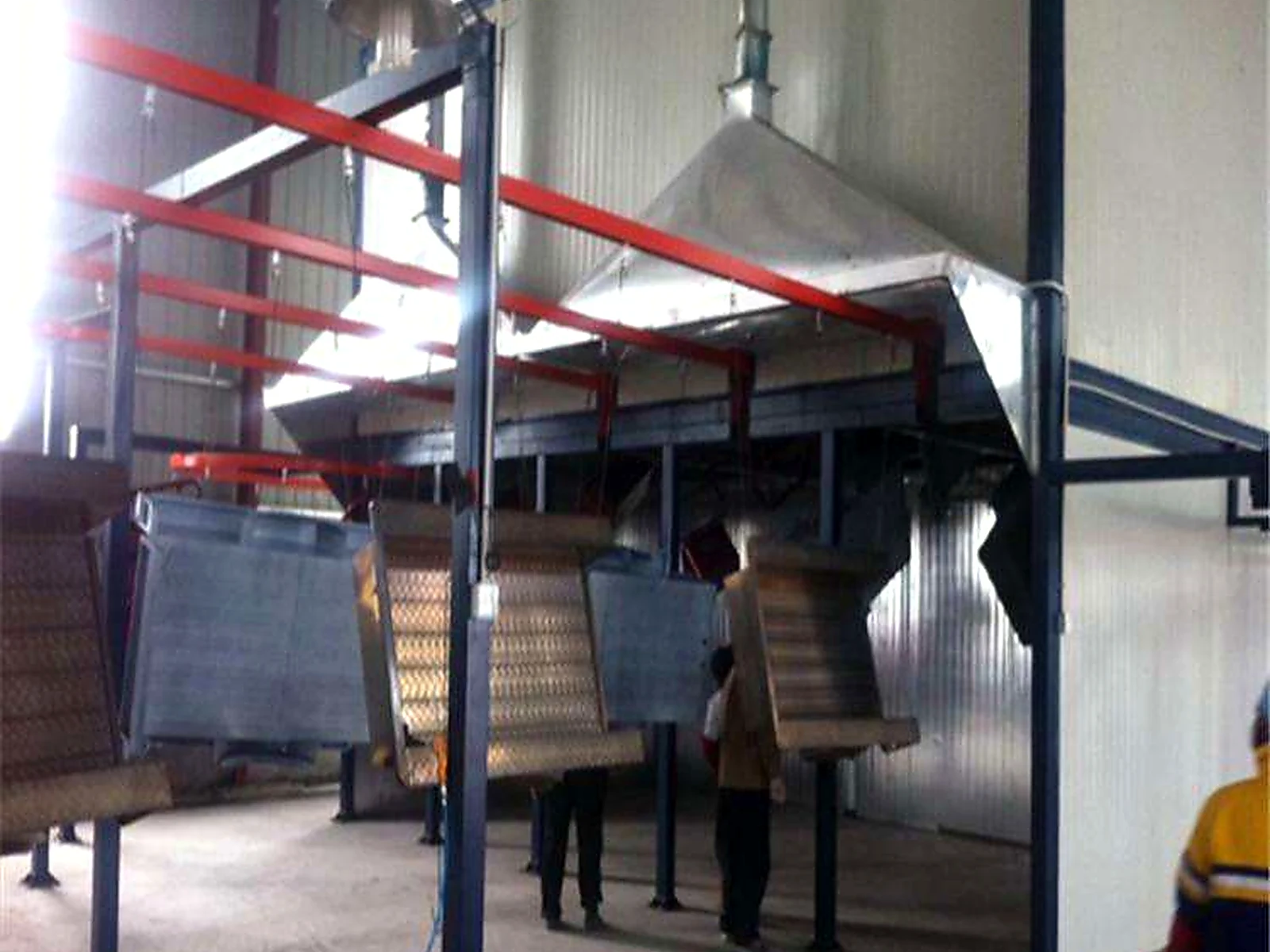
Industrial Coating Selection Checklist
Five basic questions for matching the system to the actual operating condition.
Read resource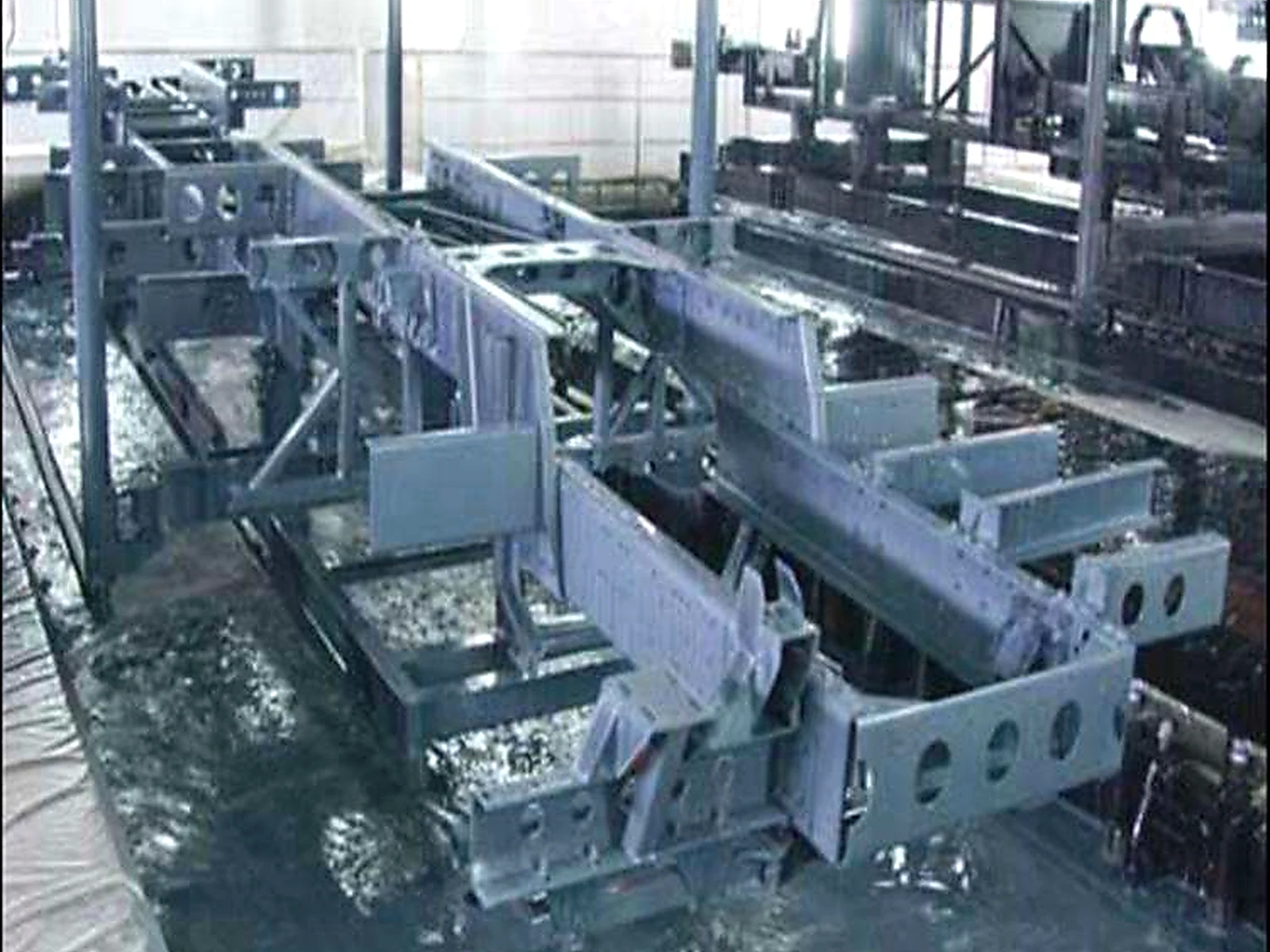
Application Guides
Steel Surface Preparation Before Coating
A practical sequence for cleanliness, profile, dew-point control and stripe coating.
Read resource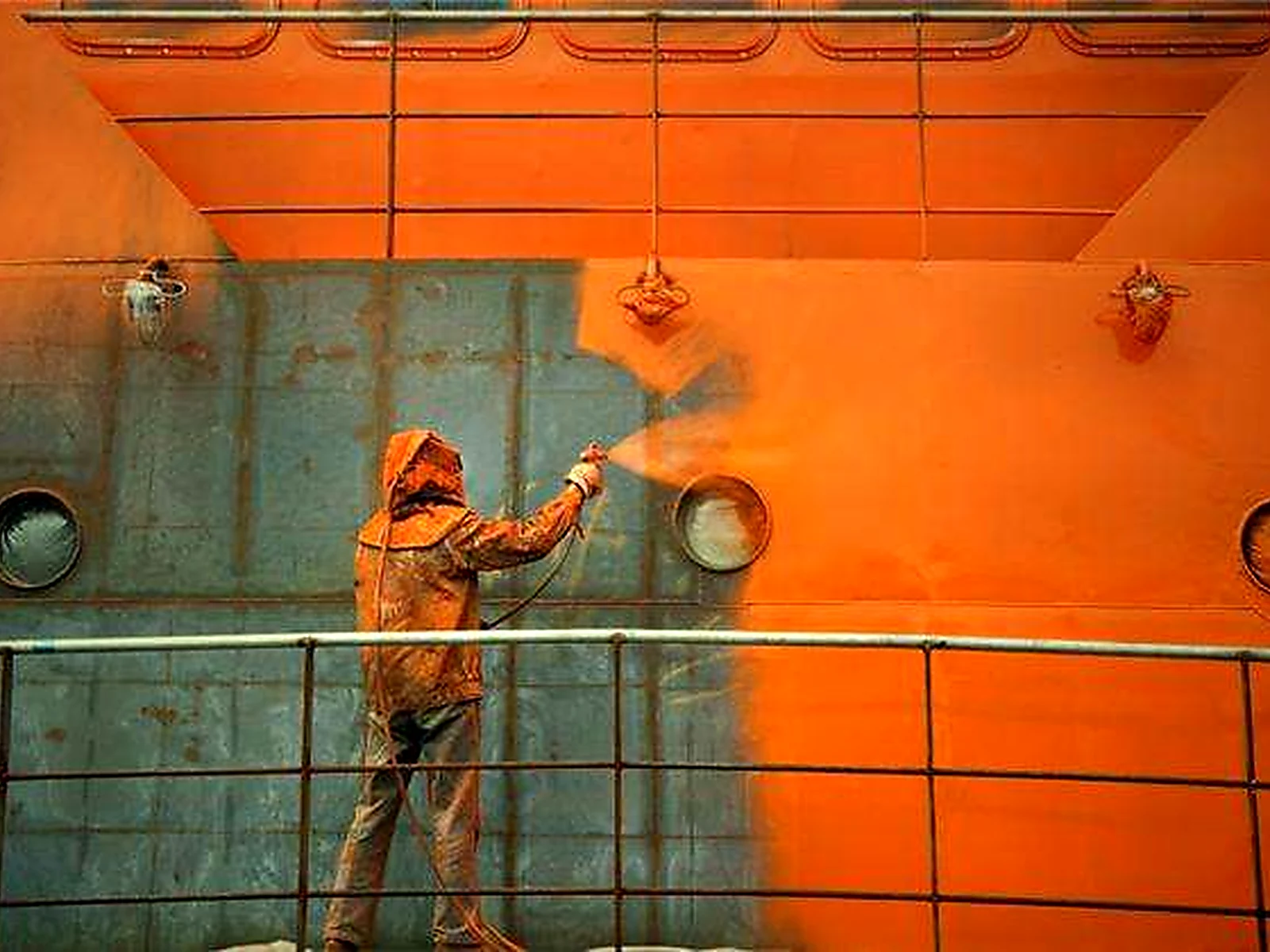
Application Guides
Boiler, Flue and High-Temperature Equipment Review
Confirm the condition, safe access and application window before specifying the protection system.
Read resource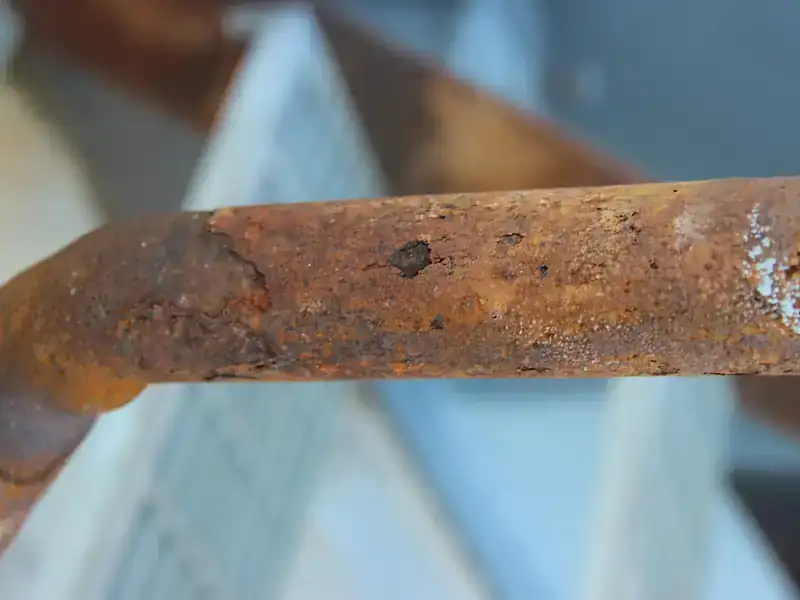
Application Guides
Storage Tank and Pipeline Maintenance Inspection
Inspect the locations where water, geometry and old coating defects concentrate risk.
Read resource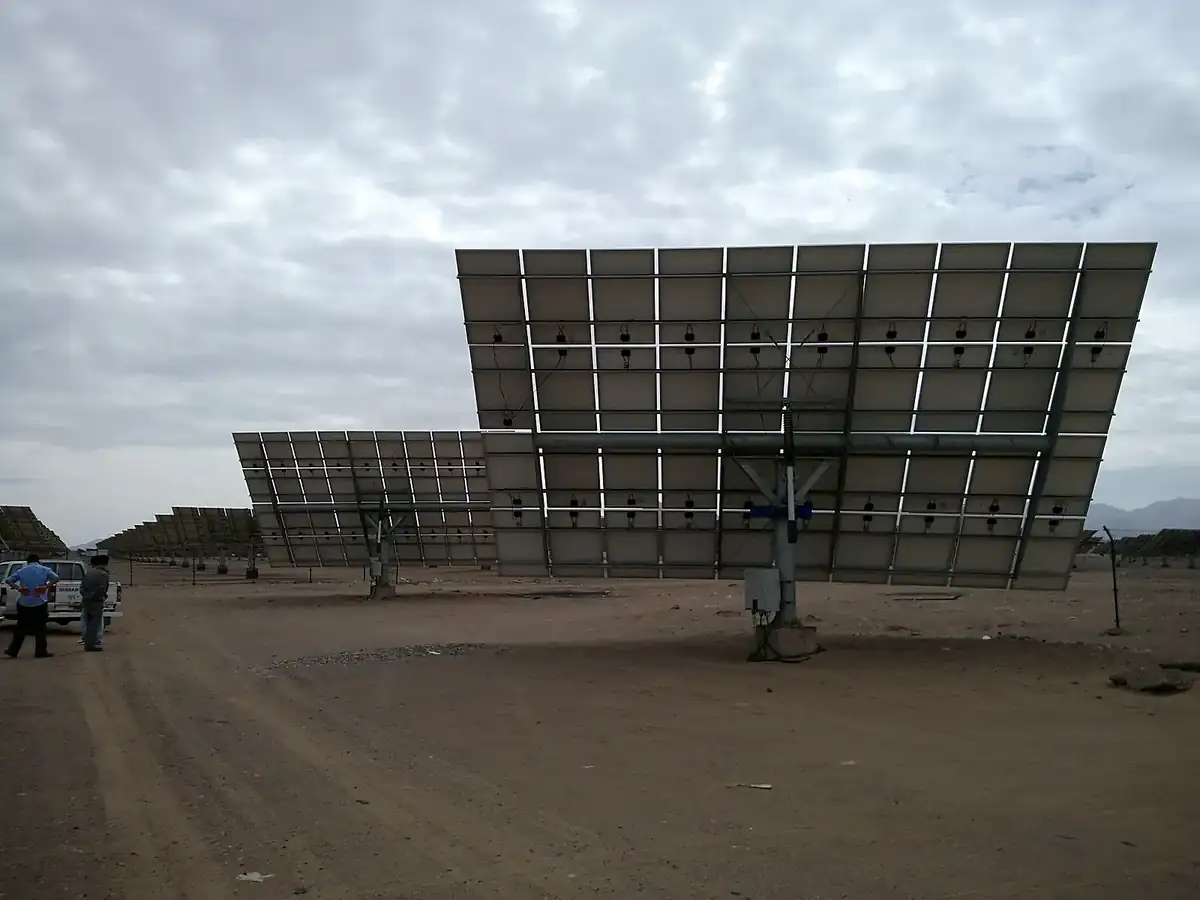
Application Guides
Solar-Reflective Roof Application Guide
Prepare metal, concrete and roof details before forming the continuous reflective finish.
Read resource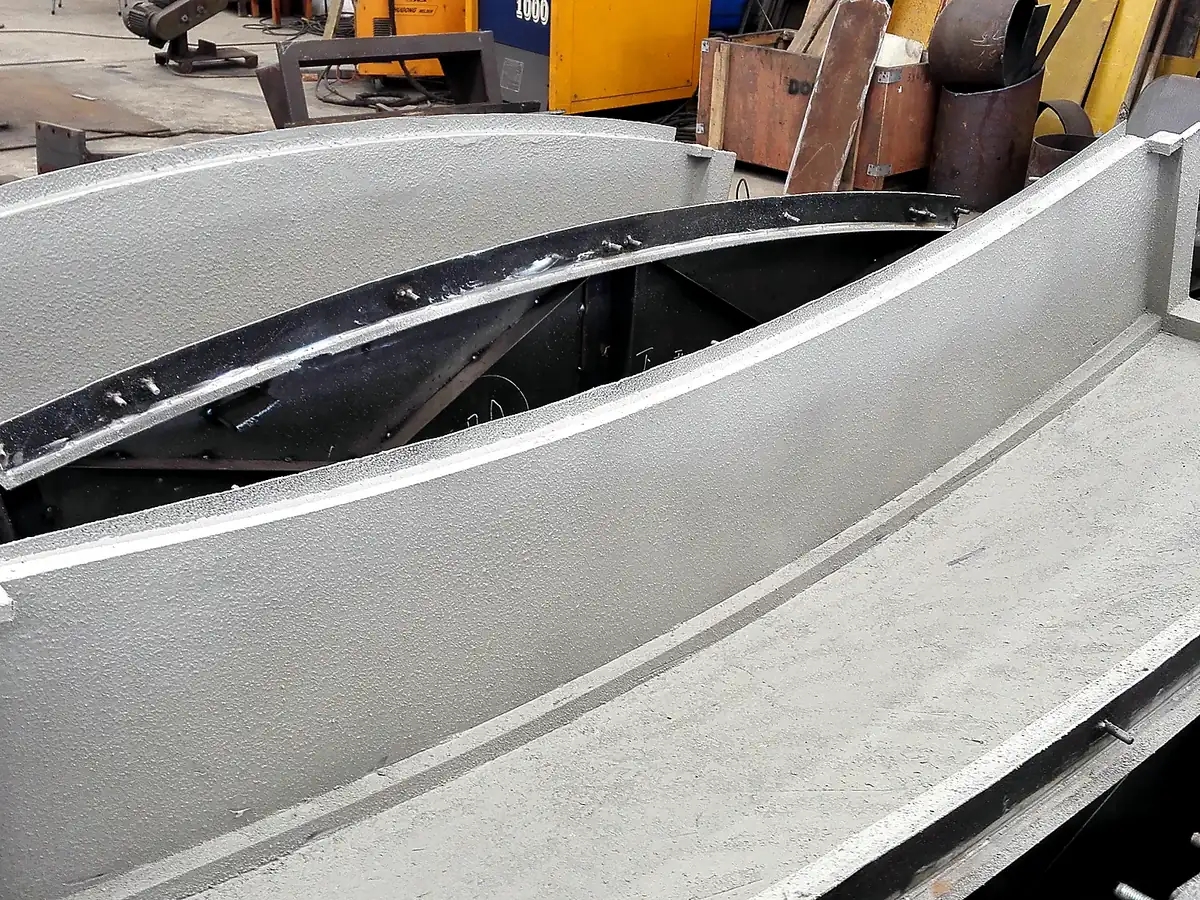
Application Guides
Thermal Insulation Inspection and Maintenance
Review continuity, fixing, water entry, thermal bridges and access after equipment returns to service.
Read resourceShow the complete library
Application Guides
Concrete and Wastewater Structure Preparation
Check moisture, defects, joints and immersion conditions before the protective layer is applied.
Read resource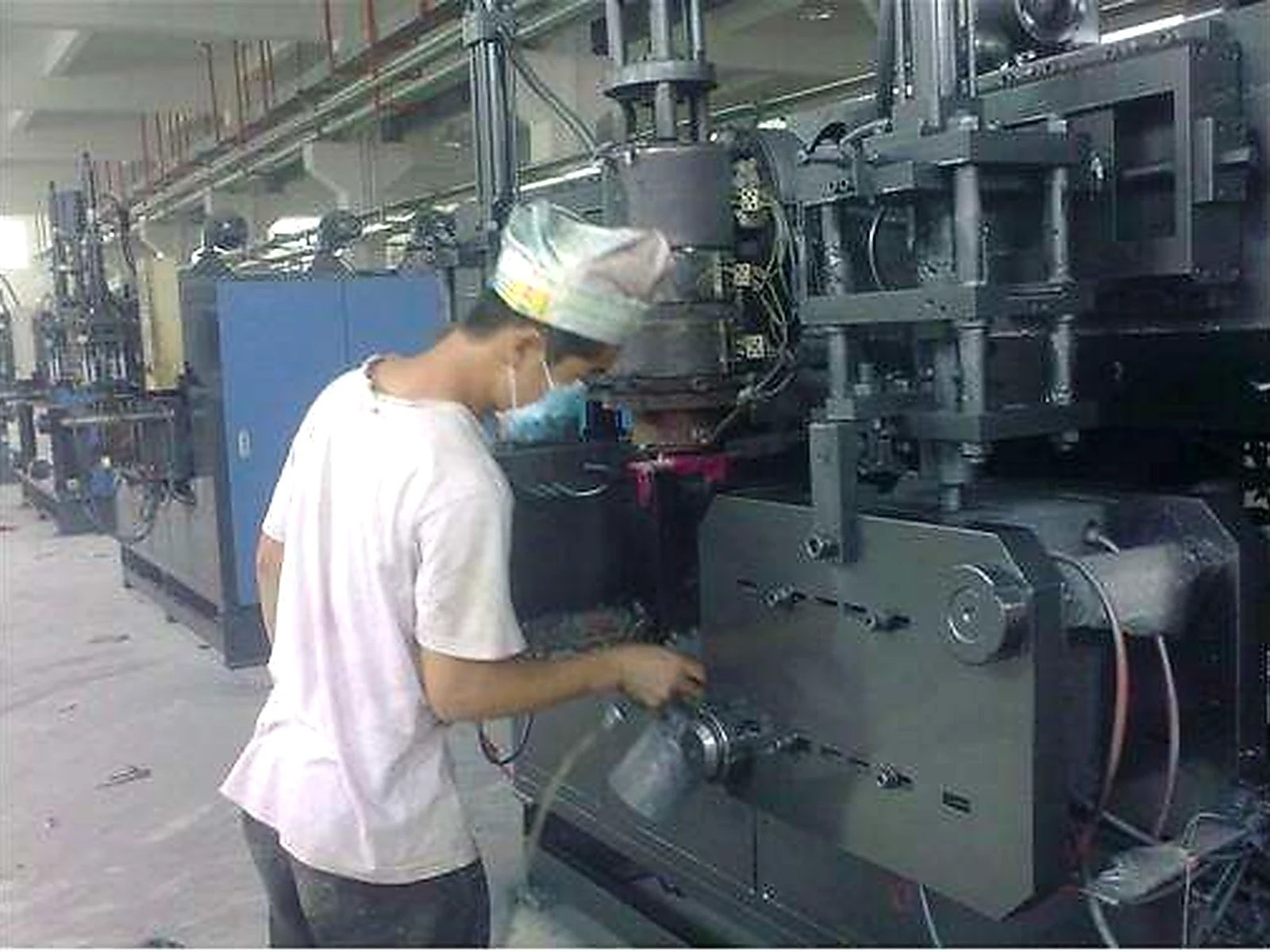
Application Guides
Industrial Equipment Spray-Coating Checklist
Control preparation, masking, difficult geometry, film build, curing and assembly compatibility.
Read resource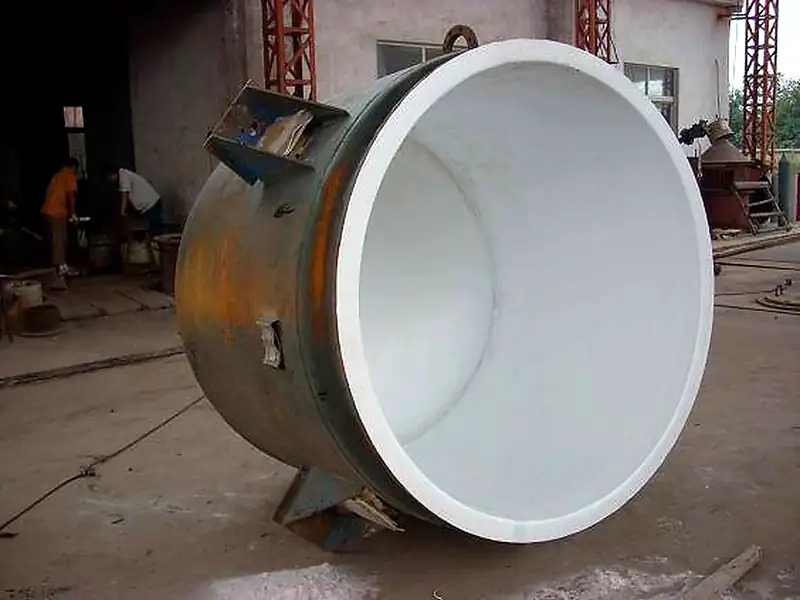
Application Guides
Existing Coating Repair Planning
Use condition evidence and trial areas to decide removal, retained zones and compatible repair layers.
Read resourceApplication Guides
Chimney and Flue Corrosion-Protection Application Guide
Identify dew point, gas chemistry, particles and liquid traps before planning safe, continuous application.
Read resource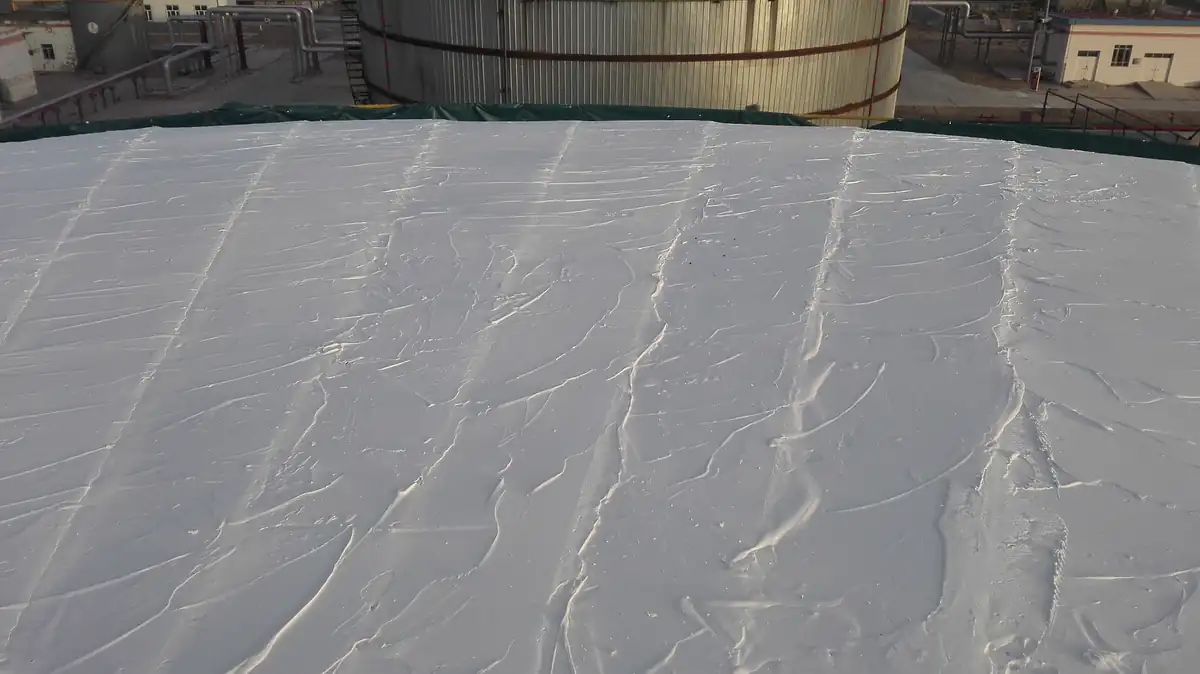
Application Guides
Storage Tank Corrosion and Thermal-Protection Selection Guide
Separate immersion, outdoor weathering, solar exposure and safety requirements before defining the tank system.
Read resource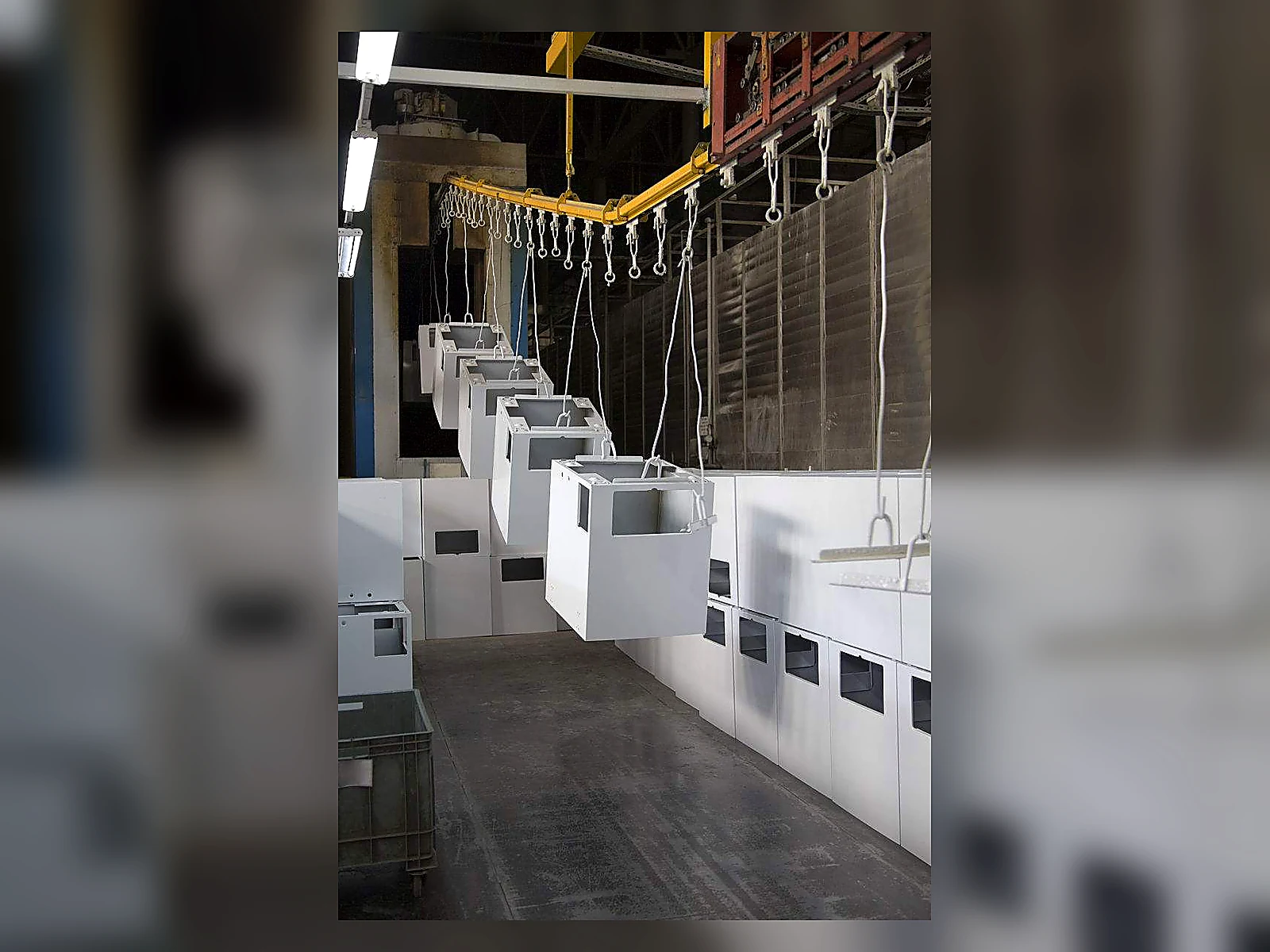
Application Guides
Thermal-Insulation Application on Complex Equipment
Plan masking, layer build, continuity and maintenance access around irregular geometry and moving parts.
Read resource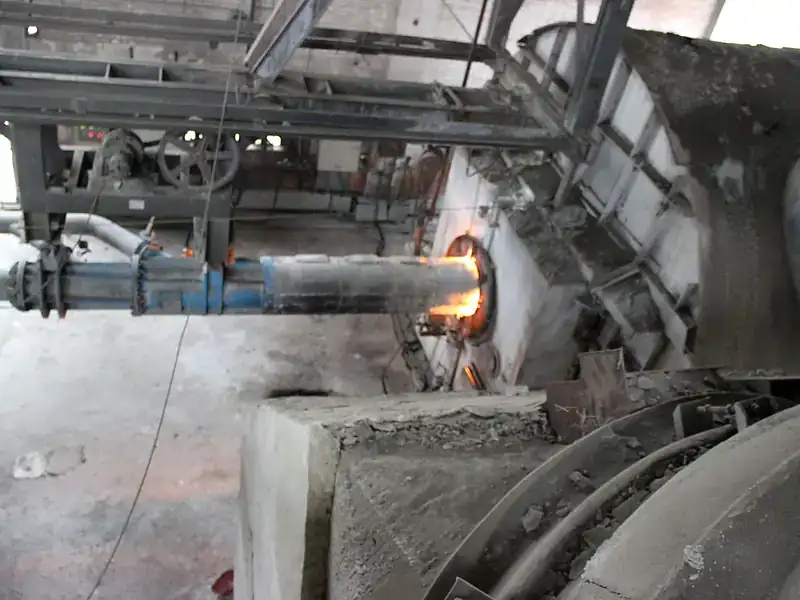
Application Guides
Cement Kiln Site Inspection Checklist
Map temperature zones, lining condition, shell deformation, joints, deposits and maintenance access before defining protection.
Read resource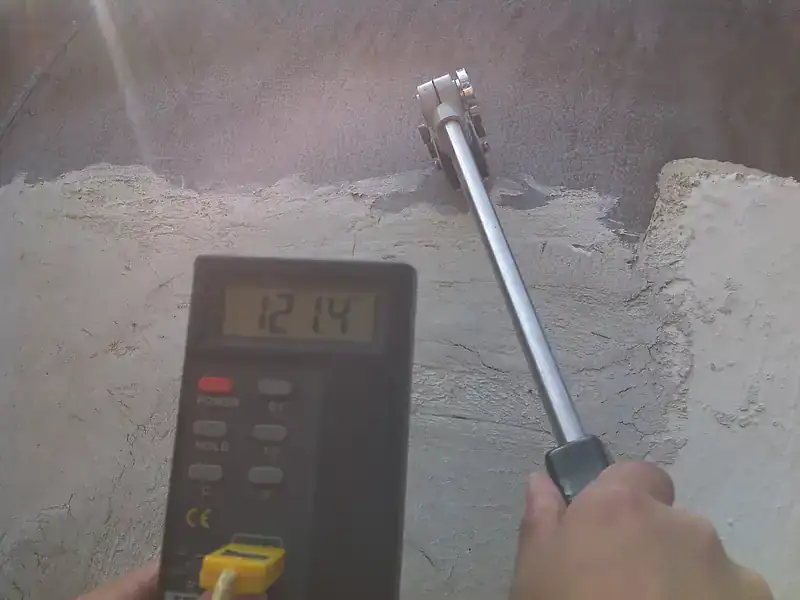
Application Guides
Industrial Pipeline Insulation Project Checklist
Confirm the heat source, corrosion condition, supports, valves, removable sections, vapour control and maintenance access.
Read resource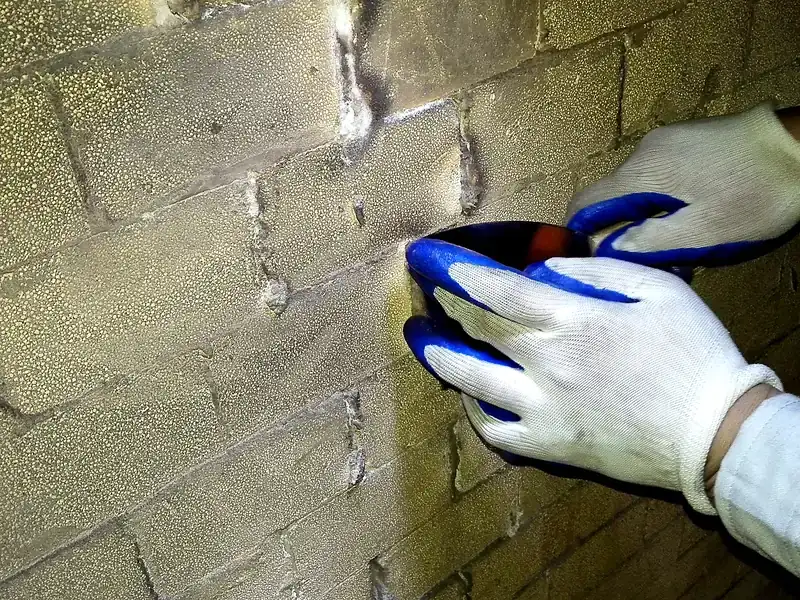
Application Guides
Annealing Furnace Shutdown Inspection Checklist
Record lining, joints, radiant tubes, supports, deposits and previous repairs before cleaning changes the evidence.
Read resource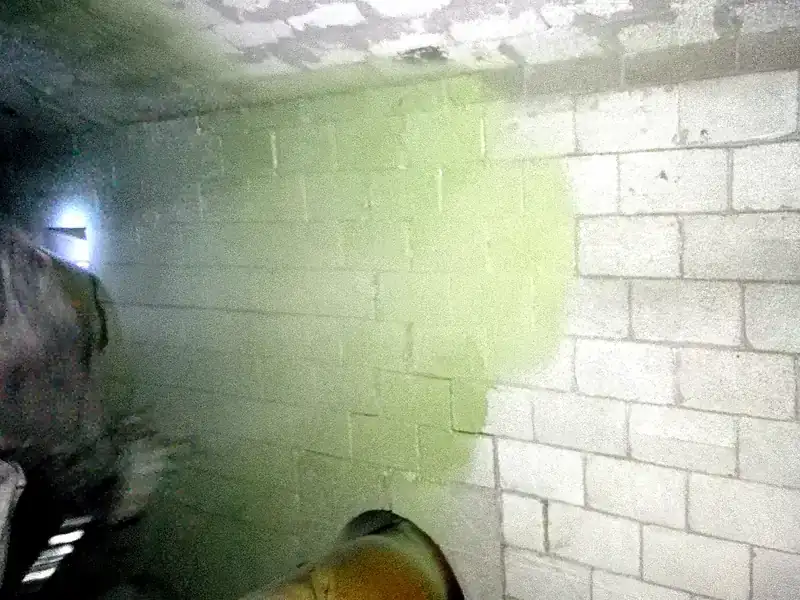
Application Guides
Furnace Lining Repair and Surface-Preparation Checklist
Classify cracks, remove unsound material, treat joints and verify repair stability before a functional layer is applied.
Read resource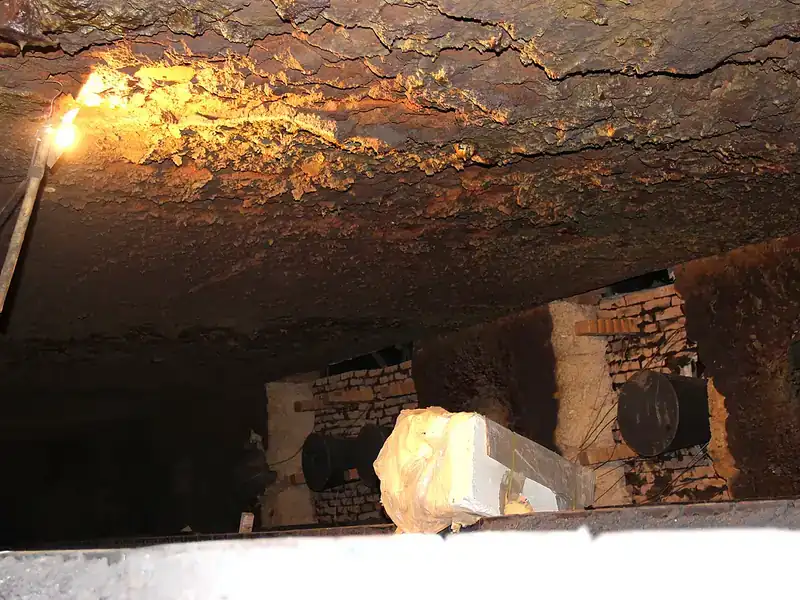
Application Guides
High-Temperature Furnace Spray-Application Process
Divide the furnace into controlled zones and document preparation, spray access, layer build, cure and staged return to service.
Read resource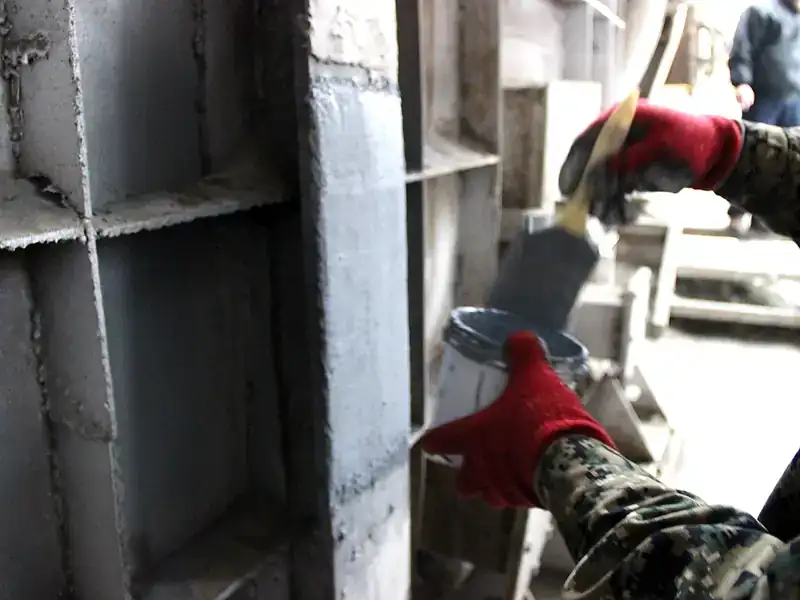
Application Guides
Gasifier Shutdown Corrosion Inspection
Separate deposits, corrosion, erosion and previous repair evidence and document high-risk zones before surface preparation.
Read resource
Application Guides
High-Temperature Trial-Panel Record
Record substrate, preparation, product identity, layer build, cure, exposure, inspection dates and observed condition without extrapolating unsupported results.
Read resource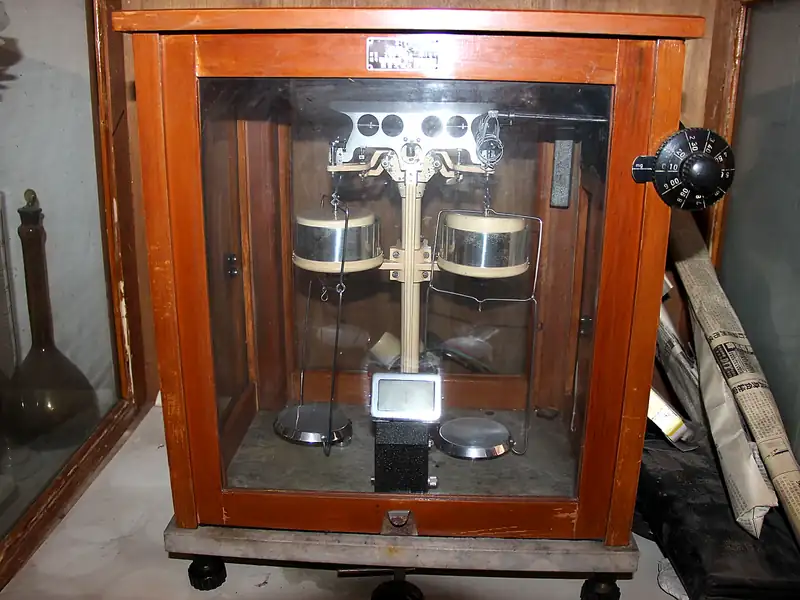
Application Guides
Industrial Coating Production and Quality Checklist
Link incoming materials, batch instructions, process checks, finished-product acceptance, filling, labels and retained samples.
Read resource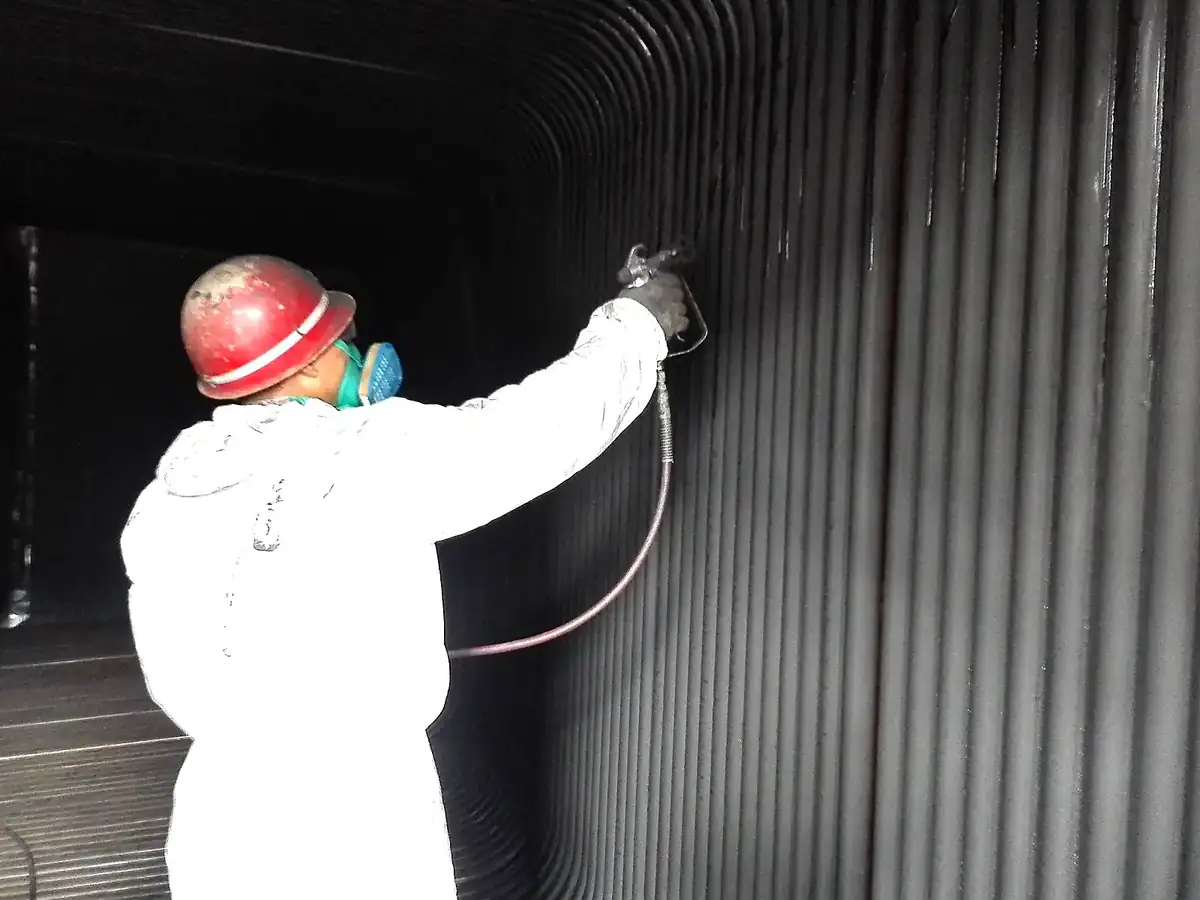
Application Guides
Boiler Waterwall Spray-Application Checklist
Control shutdown isolation, tube-bank preparation, shadow-zone coverage, layer build, cure and traceable inspection before return to service.
Read resource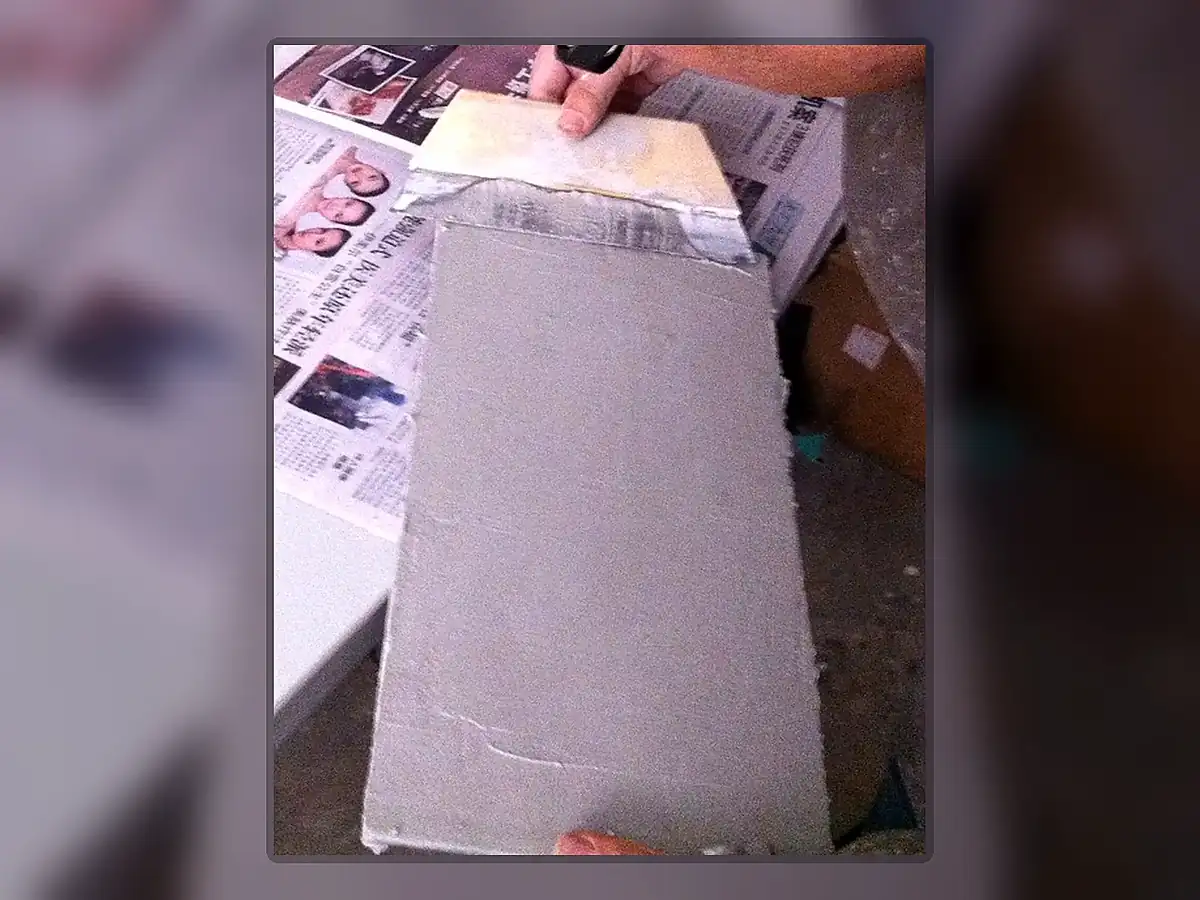
Application Guides
High-Temperature Insulation Field-Verification Guide
Define comparable zones, instruments, stabilisation, layer records and reporting boundaries before drawing conclusions from a field trial.
Read resource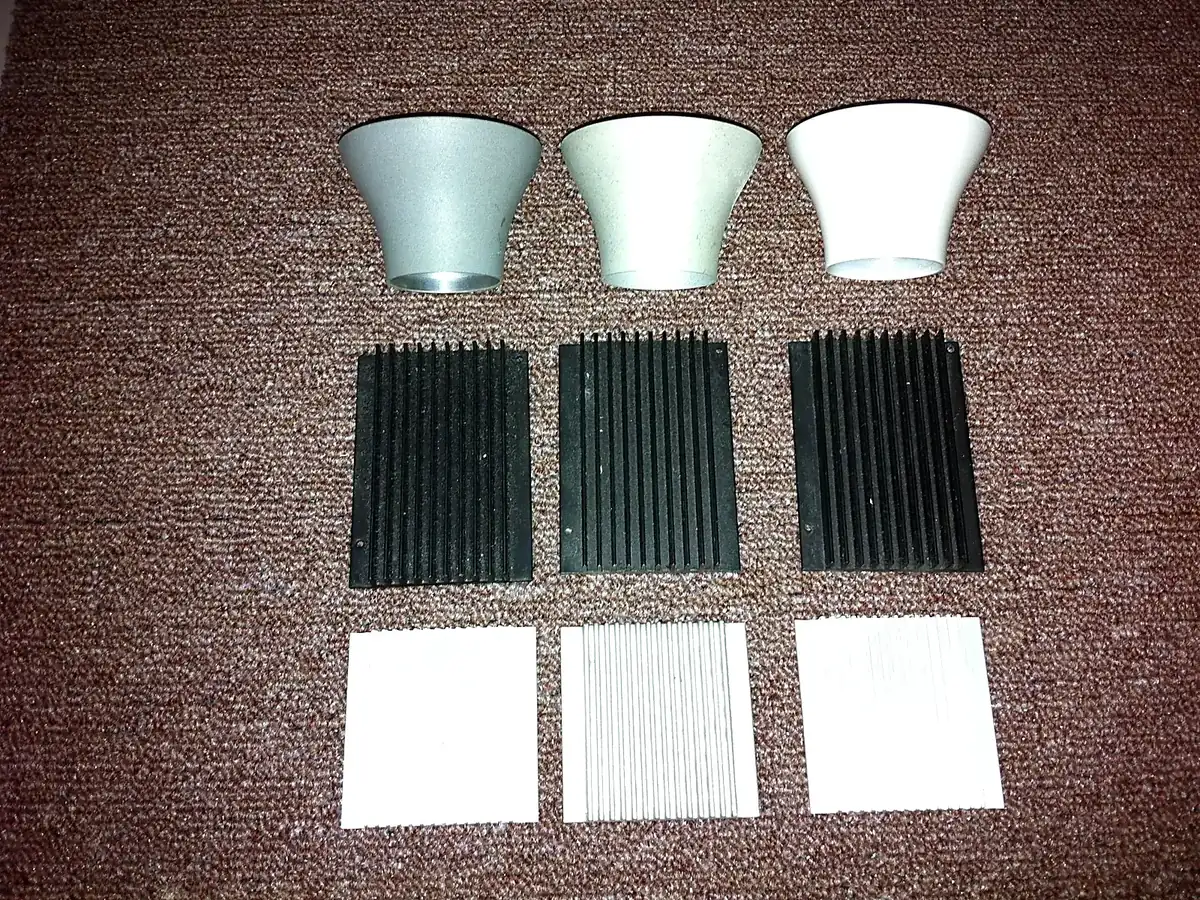
Application Guides
LED Thermal-Comparison Test Guide
Match the assemblies, electrical input, sensor positions and stabilisation time, then report only the measured observation boundary.
Read resource
Application Guides
Wear and Non-Stick Trial-Area Checklist
Define a representative boundary and record substrate, material contact, layer build, cure, cleaning and repeat inspection in the same operating zone.
Read resourceResources
FAQ
SelectionCan product selection rely only on the maximum temperature?
No. Continuous temperature, peaks, thermal cycling, medium, substrate, wear and application conditions must be reviewed together.
Confirm the medium, temperature, substrate, exposure and maintenance boundary before selection.
Related guideApplicationWhy is surface preparation critical?
Oil, salts, rust, weak layers and dust reduce adhesion and can cause early failure even when the coating material is suitable.
Project-specific mixing, film build, recoat and cure requirements must come from the approved product source.
Related guideSelectionIs a harder wear coating always better?
No. Hardness must be balanced with adhesion, toughness, permeability, impact and thermal-expansion compatibility.
Confirm the medium, temperature, substrate, exposure and maintenance boundary before selection.
Related guideThermal managementAre solar-reflective coatings the same as thermal insulation?
No. Reflection reduces absorbed solar energy; insulation reduces heat transfer from a hot source or space.
Separate solar gain, process heat, insulation and heat-rejection objectives before choosing a direction.
Related guideSelectionCan tank interiors and exteriors use the same coating system?
Usually not. Immersion media, outdoor weather, solar exposure and maintenance access require separate review.
Confirm the medium, temperature, substrate, exposure and maintenance boundary before selection.
Related guideInspection & maintenanceCan an existing coating be overcoated directly?
Only after adhesion, compatibility, contamination and defect extent are checked. Loose or incompatible areas must be removed.
Record the original condition and inspect the same high-risk locations over time.
Related guideApplicationWhy are welds and edges stripe-coated?
They are prone to low film build and concentrated corrosion. Stripe coating improves coverage continuity.
Project-specific mixing, film build, recoat and cure requirements must come from the approved product source.
Related guideApplicationCan waterborne coatings be applied in any weather?
No. Low temperature, high humidity, condensation and poor ventilation can prevent correct drying and film formation.
Project-specific mixing, film build, recoat and cure requirements must come from the approved product source.
Related guideApplicationWhy is a trial area recommended?
It verifies preparation, compatibility, application behaviour, appearance and drying before full-area work.
Project-specific mixing, film build, recoat and cure requirements must come from the approved product source.
Related guideApplicationHow is film thickness controlled on site?
Use wet- or dry-film measurements appropriate to the system and record representative areas, edges and repair zones.
Project-specific mixing, film build, recoat and cure requirements must come from the approved product source.
Related guideInspection & maintenanceWhy can tank-roof coatings crack?
Possible causes include inadequate preparation, excessive build, intercoat incompatibility, weathering and thermal movement.
Record the original condition and inspect the same high-risk locations over time.
Related guideThermal managementDo temperature-comparison photos prove performance?
They are supporting field records only. Measurement location, time, environment and instrument conditions must be stated for a valid comparison.
Separate solar gain, process heat, insulation and heat-rejection objectives before choosing a direction.
Related guideThermal managementCan irregular equipment use coating-based insulation?
It can be evaluated after checking temperature, geometry, vibration, required thickness, access and maintenance method.
Separate solar gain, process heat, insulation and heat-rejection objectives before choosing a direction.
Related guideSelectionWhy does concrete moisture matter?
Excess moisture can impair penetration, adhesion and cure and may cause blistering or delamination.
Confirm the medium, temperature, substrate, exposure and maintenance boundary before selection.
Related guideApplicationCan concrete cracks be covered with a finish coat?
Not without diagnosis and repair. Active and static cracks require different treatment before the protective system.
Project-specific mixing, film build, recoat and cure requirements must come from the approved product source.
Related guideSelectionWhy do marine steel structures corrode faster?
Salt, high humidity and wet-dry cycling accelerate corrosion at scratches, edges, welds and thin-film areas.
Confirm the medium, temperature, substrate, exposure and maintenance boundary before selection.
Related guideApplicationWhy must equipment be degreased before spraying?
Oil reduces adhesion and can create craters, fish-eyes and local detachment.
Project-specific mixing, film build, recoat and cure requirements must come from the approved product source.
Related guideInspection & maintenanceWhen can coated equipment return to service?
After the specified cure for the material, temperature, humidity, film build and exposure. Touch dry alone is not sufficient.
Record the original condition and inspect the same high-risk locations over time.
Related guideSafetyWhat is required for confined-space coating work?
Gas testing, forced ventilation, suitable lighting, fire control, personal protection, supervision and rescue planning are required.
Follow the site risk assessment, safety data and approved work controls for the actual material and location.
Related guideSelectionWhat information should be sent to DAYU-X for technical review?
Provide equipment, substrate, continuous and peak temperature, medium and concentration, wear condition, existing problem, access and project country.
Confirm the medium, temperature, substrate, exposure and maintenance boundary before selection.
Related guideThermal managementWhy must pipeline-insulation details be reviewed separately?
Valves, flanges, supports and penetrations interrupt the thermal layer and can create heat bridges, water entry or maintenance conflicts.
Separate solar gain, process heat, insulation and heat-rejection objectives before choosing a direction.
Related guideApplicationHow should furnace-lining cracks be handled before coating?
First classify whether the crack is stable, moving or linked to weak lining. Unsound material and active movement must be repaired before a functional layer is considered.
Project-specific mixing, film build, recoat and cure requirements must come from the approved product source.
Related guideApplicationCan high-temperature equipment be heated immediately after touch dry?
No. The confirmed cure and any staged heat-up required by the product data must be completed; touch dry does not equal full cure.
Project-specific mixing, film build, recoat and cure requirements must come from the approved product source.
Related guideThermal managementHow should roof temperature comparisons be made?
Use comparable locations, the same time window and operating state, documented instruments and ambient conditions. Report the observation boundary without converting it into an unsupported saving percentage.
Separate solar gain, process heat, insulation and heat-rejection objectives before choosing a direction.
Related guideSelectionDoes a static-dissipative coating replace grounding?
No. The coating is one part of a verified electrical path. Grounding design, continuity and approved testing remain necessary.
Confirm the medium, temperature, substrate, exposure and maintenance boundary before selection.
Related guideInspection & maintenanceWhat should be recorded during an annealing-furnace shutdown?
Record lining, joints, radiant tubes, supports, deposits, deformation and previous repairs before cleaning, with repeatable locations for later comparison.
Record the original condition and inspect the same high-risk locations over time.
Related guideInspection & maintenanceWhy are tank welds and supports priority inspection zones?
Their geometry can retain moisture, reduce coating thickness and concentrate movement or handling damage, so preparation and stripe coating require special control.
Record the original condition and inspect the same high-risk locations over time.
Related guideApplicationWhy is one very thick coat not a substitute for the specified layer build?
Excess build can trap solvent or water, sag, cure unevenly and reduce intercoat control. Apply within the confirmed per-coat and recoat requirements.
Project-specific mixing, film build, recoat and cure requirements must come from the approved product source.
Related guideSelectionWhy must concrete moisture and cracks be assessed together?
Cracks can be water paths and moisture pressure can affect repair and coating adhesion. The source, activity and substrate strength determine the repair sequence.
Confirm the medium, temperature, substrate, exposure and maintenance boundary before selection.
Related guideSafetyWhat production records support coating batch traceability?
Incoming-material checks, batch instructions, process conditions, in-process inspection, finished-product release, filling identification and retained samples should form one traceable chain.
Follow the site risk assessment, safety data and approved work controls for the actual material and location.
Related guideApplicationHow can missed coverage be avoided on dense boiler tube banks?
Divide the bank into traceable zones, inspect tube sides and weld transitions, control spray angle and overlap, and correct shadow areas before the next layer.
Project-specific mixing, film build, recoat and cure requirements must come from the approved product source.
Related guideSelectionIs a non-stick coating suitable for every handled material?
No. Material chemistry, moisture, particle shape, contact pressure, temperature, cleaning and wear must be checked in a representative trial area.
Confirm the medium, temperature, substrate, exposure and maintenance boundary before selection.
Related guideThermal managementCan an LED thermal coating replace the designed heat sink?
Not without a validated thermal and electrical redesign. The heat sink, interfaces, airflow, power and safety requirements remain part of the complete system.
Separate solar gain, process heat, insulation and heat-rejection objectives before choosing a direction.
Related guideThermal managementWhy must an LED comparison wait for temperature stabilisation?
Early readings mainly reflect warm-up transients. Comparable assemblies need the same operating time and stable measurement trend before their surface observations can be compared.
Separate solar gain, process heat, insulation and heat-rejection objectives before choosing a direction.
Related guideApplicationMust roof leaks be repaired before a reflective coating is applied?
Yes. Active leakage, open joints, failed sealant, corrosion and ponding must be corrected first; a reflective finish should not be used to hide unresolved roof defects.
Project-specific mixing, film build, recoat and cure requirements must come from the approved product source.
Related guideResources
Continue from technical information to a project path
Use the verified site structure to move from an engineering question to suitable products, solutions and published project experience.
Downloads
TDS, SDS, MSDS and project-related test files are provided after the operating condition is reviewed.