
Overview
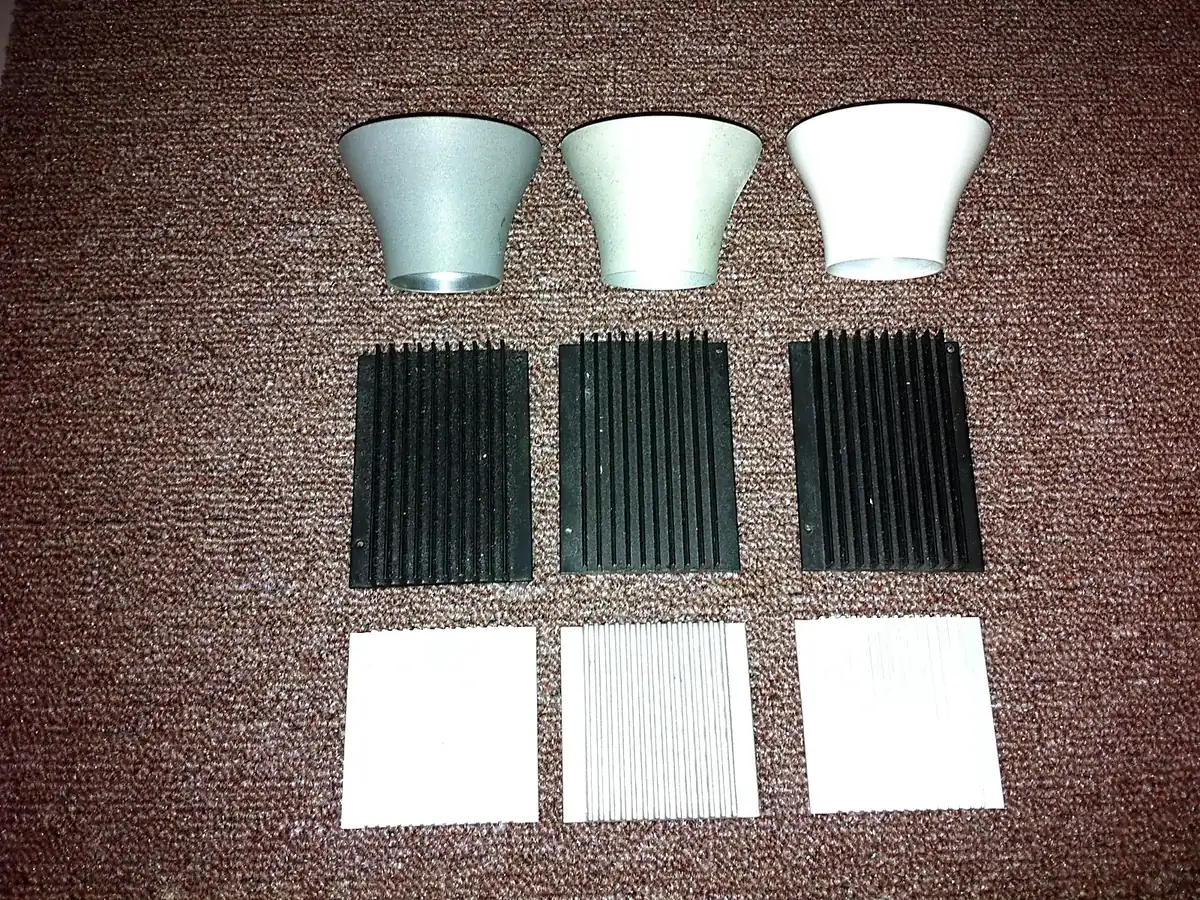
LED Thermal-Comparison Test Guide
Match the assemblies, electrical input, sensor positions and stabilisation time, then report only the measured observation boundary.
Application Guides
Match the assemblies, electrical input, sensor positions and stabilisation time, then report only the measured observation boundary.
Overview
Match the assemblies, electrical input, sensor positions and stabilisation time, then report only the measured observation boundary.
01
Match the assemblies, electrical input, sensor positions and stabilisation time, then report only the measured observation boundary. Match the assemblies, electrical input, sensor positions and stabilisation time, then report only the measured observation boundary.
02
Corrosion requires an electrochemical path involving the substrate, moisture or another electrolyte, oxygen or an oxidising species and local differences in exposure. Welds, edges, gaps, deposits and damaged coating areas often remain wet longer and become priority locations.
03
Look for rust staining, underfilm spread, blistering, deposits, pitting, changes at welds, drainage points and supports, and local damage caused by maintenance or impact. Separate cosmetic change from loss of adhesion or substrate section.
04
The medium and concentration, temperature, wet-dry cycle, immersion, ultraviolet exposure, salts, cleaning chemicals, flow, abrasion, substrate and existing system all change the corrosion risk.
05
Define exposure zones, document the existing system, test representative adhesion, check soluble contamination when relevant, and inspect weld profile, sharp edges, crevices, low points and inaccessible backsides.
06
The response may combine drainage improvement, design correction, cleaning, removal of unstable material, local metal repair, stripe coating and a barrier system selected for the exposure.
07
Match the complete primer, intermediate and finish build to the substrate and service environment. Compatibility, recoat interval, cure, application method and maintainability are as important as chemical-resistance wording.
08
Accept the substrate before opening material. Remove oil, salts, dust, loose material and incompatible residues; create the specified cleanliness and profile; repair defects; and protect prepared surfaces from flash rust, condensation and recontamination.
09
Confirm material identity, batch, mixing, induction or thinning rules and usable time. Control air and substrate conditions, ventilation, wet or dry film build, stripe coats, overlaps, recoat windows and curing. Difficult geometry is coated from more than one direction. Identify the substrate.;Record continuous and peak temperature.;Identify medium, concentration and exposure mode.;Describe wear, impact and vibration.;Confirm access, preparation and curing window.
10
Use an inspection plan with hold points for preparation, environment, mixing, each layer, representative thickness, continuity and cure. Record nonconformities and corrections so the final dossier describes what was actually applied.
11
Frequent errors include coating contamination, trapping moisture, keeping an unsound old layer, applying one heavy pass, missing edges and backsides, exceeding the recoat window, confusing touch dry with full cure and returning equipment to service too early.
12
Create baseline photographs and identify high-risk details. Reinspect the same locations after operating cycles or scheduled shutdowns, clean surfaces before judging them and repair local damage while the surrounding system is still sound.
13
A generic corrosion coating cannot be specified from the industry name alone. Unknown process media, active leakage, structural loss, contaminated concrete or inaccessible crevices require project-specific assessment.
14
A reliable result comes from matching the real operating condition to a complete system, preparing the substrate consistently, controlling application and curing, and maintaining traceable records. Product selection is the consequence of that review, not the starting point.
Practical guidance
Related technical content
Technical review
Project takeaway
Contact our technical team with the equipment, substrate, temperature and operating condition.