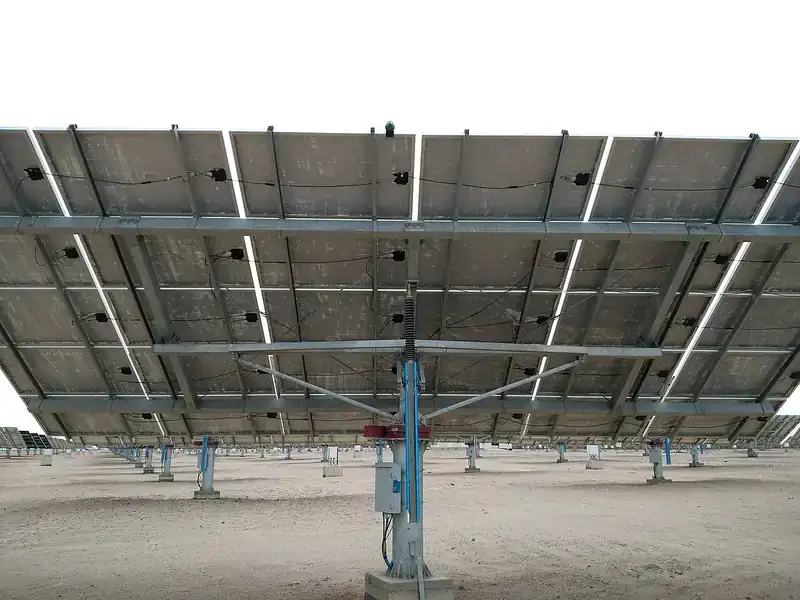
Outdoor Solar Support Structure Protection, industrial site image

Case Studies

Outdoor Solar Support Structure Protection

Equipment ManufacturingSolar tracking supports and steel foundations
01

Equipment background

Solar tracking supports and steel foundations operates within the Equipment Manufacturing process and requires protection that remains practical to inspect and maintain. Outdoor exposure combines ultraviolet radiation, rain, windborne dust, temperature changes and moisture at bolted or welded details.

Industry
Equipment Manufacturing
Equipment
Solar tracking supports and steel foundations
Substrate
Structural steel
02

How the problem develops

Environmental exposure

Outdoor exposure combines ultraviolet radiation, rain, windborne dust, temperature changes and moisture at bolted or welded details.

Operating conditions

The review focuses on the actual exposure of Solar tracking supports and steel foundations: duty cycle, temperature changes, moisture or process media, dust or particle movement, vibration, access and shutdown constraints. Where a verified numerical value is unavailable, the condition is kept qualitative.

Problem analysis

Corrosion concentrated at joints, edges and weather-exposed areas required continuous protection. Inspection should distinguish active defects from stable areas, confirm substrate soundness and cleanliness, and identify edges, welds, joints, low points and restricted-access zones before the repair scope is fixed.

Problem to address

Moisture, oxygen and the identified industrial medium can form a corrosion cell at welds, edges, gaps and damaged areas. Temperature changes and condensation may increase the time that those details remain wet.

04

Application and quality control

Application and quality control

Quality control covers substrate inspection, environmental records, material preparation, coverage at details, layer continuity, curing and representative inspection records. Unstable areas are corrected before the next layer or return to service.

Inspection and maintenance

Future inspections should revisit the same high-risk details, record changes in corrosion, wear, cracking, contamination or thermal condition, and repair local damage before it spreads. Maintenance intervals are set from the real operating exposure rather than a generic promise.

05

Site-condition images

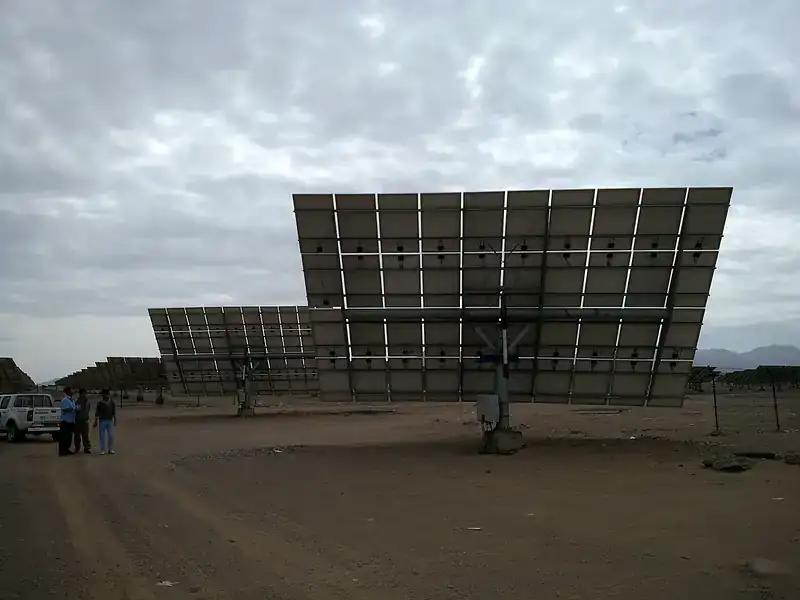
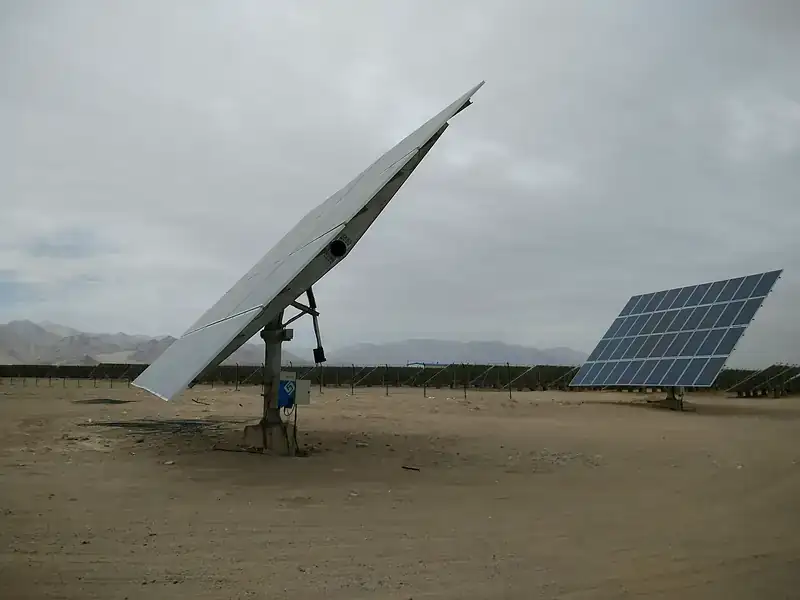
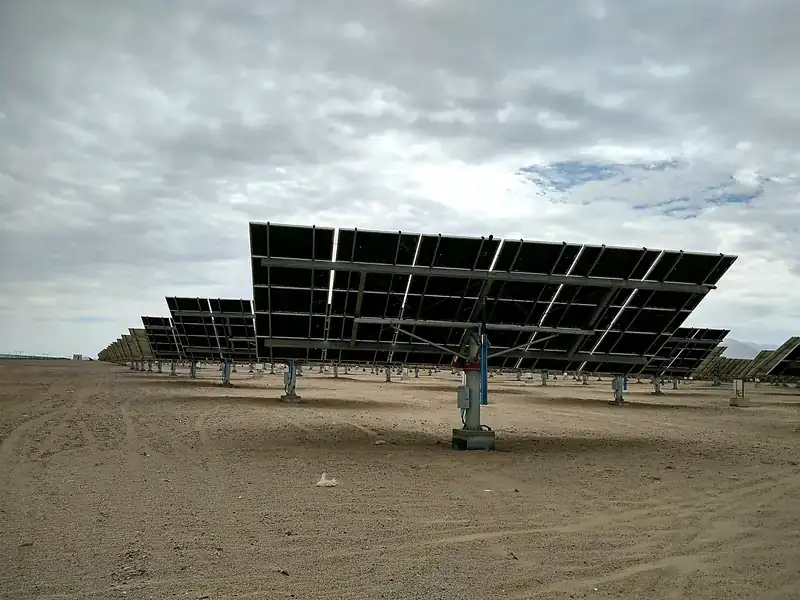
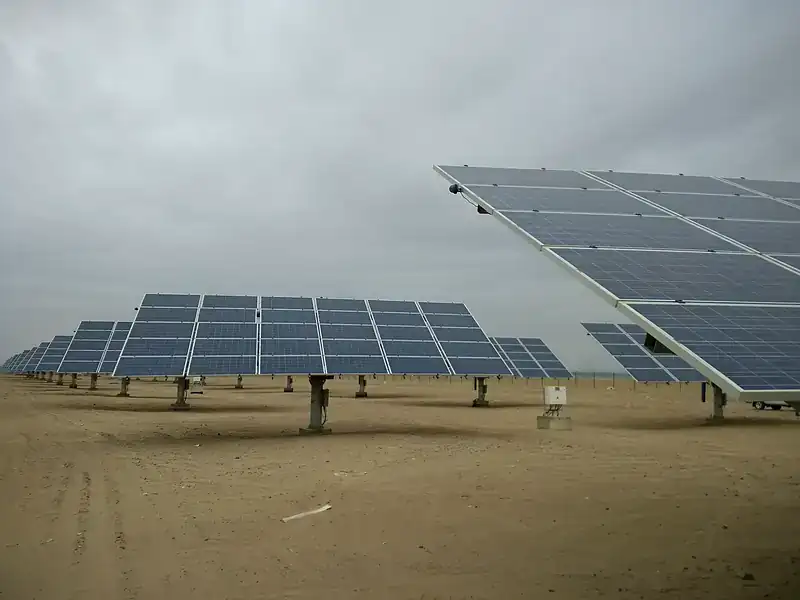
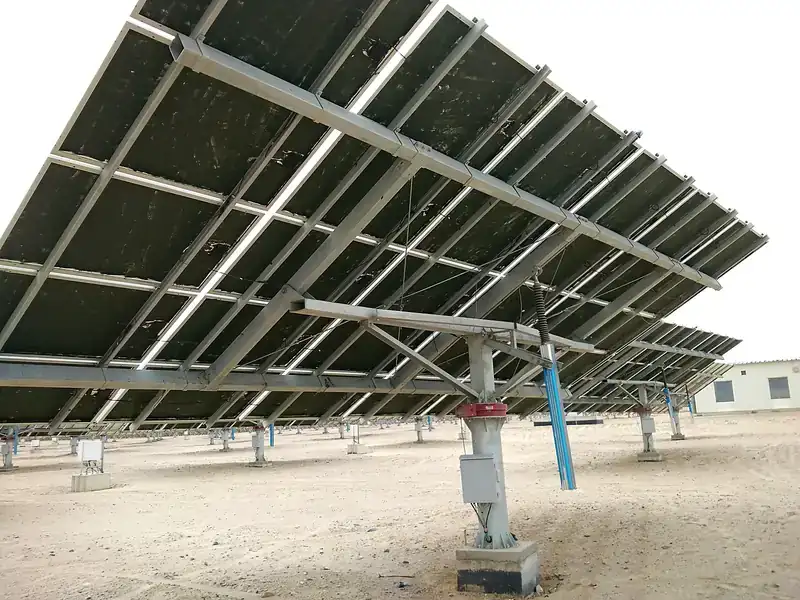
The gallery records the equipment condition, preparation and representative application stages.

DAYU-X

Can't find the right solution?

Contact our technical team with the equipment, substrate, temperature and operating condition.

Contact technical team