
Operating background
Barrier protection selected around an identified chemical medium and exposure mode.
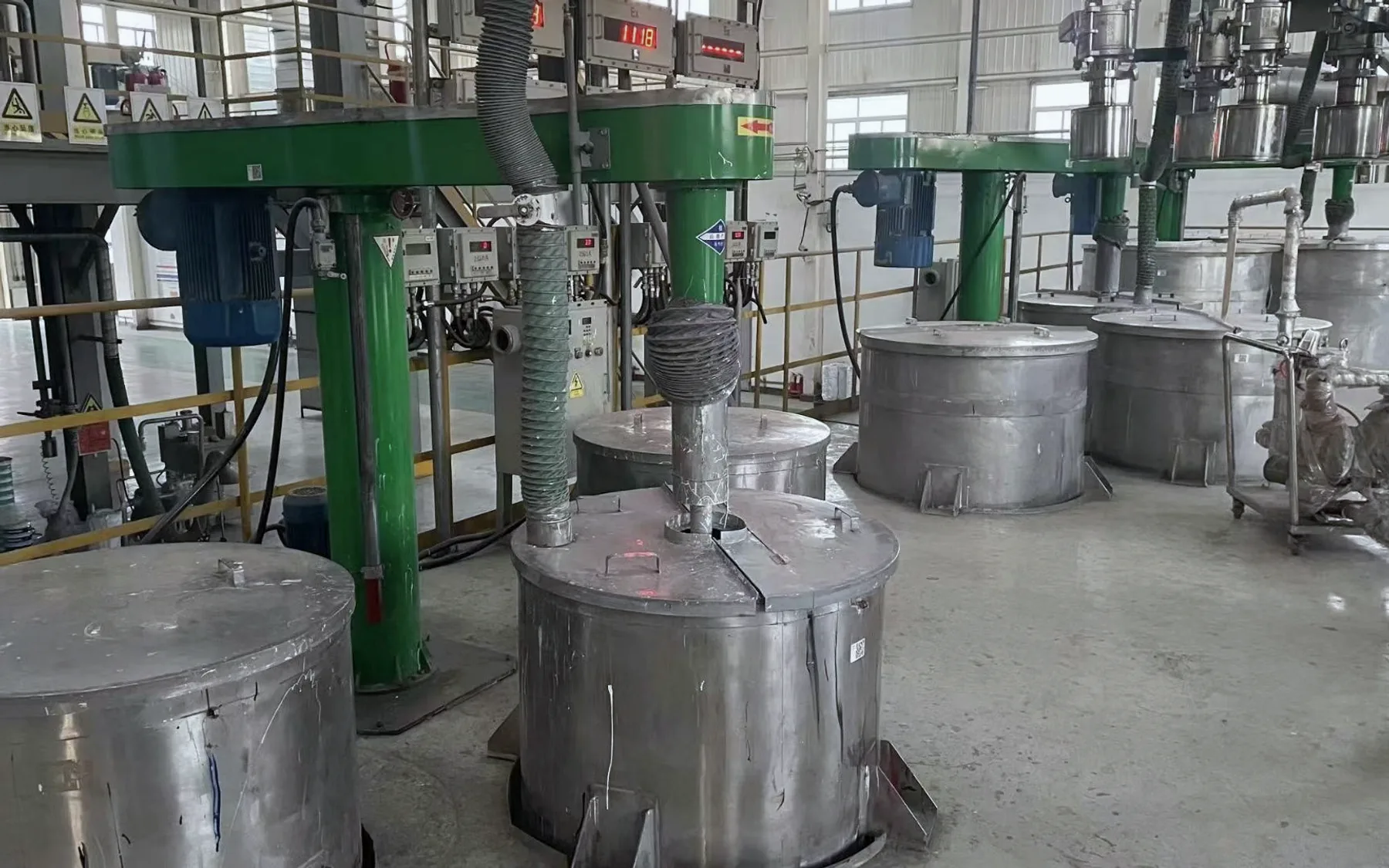
Solutions
Identify the chemical medium, concentration, temperature, exposure mode and substrate before defining a barrier system.
Barrier protection selected around an identified chemical medium and exposure mode.
Chemical permeation accelerates at pores, defects, welds and joints when the barrier is incompatible or discontinuous.
Permeation, blistering, pitting and loss of adhesion
Chemical permeation accelerates at pores, defects, welds and joints when the barrier is incompatible or discontinuous.
Barrier protection selected around an identified chemical medium and exposure mode.
Record the equipment, substrate, medium, temperature pattern and access window.
Separate corrosion, wear, heat flow and application causes before selection.
Define the required protection, inspection access and maintenance outcome.
Match compatible layers to the confirmed substrate and operating exposure.
Plan preparation, application controls, curing, inspection and later repair.
Compatible substrates after the chemical medium and exposure mode are confirmed
No chemical-resistance claim is made without medium, concentration and temperature review
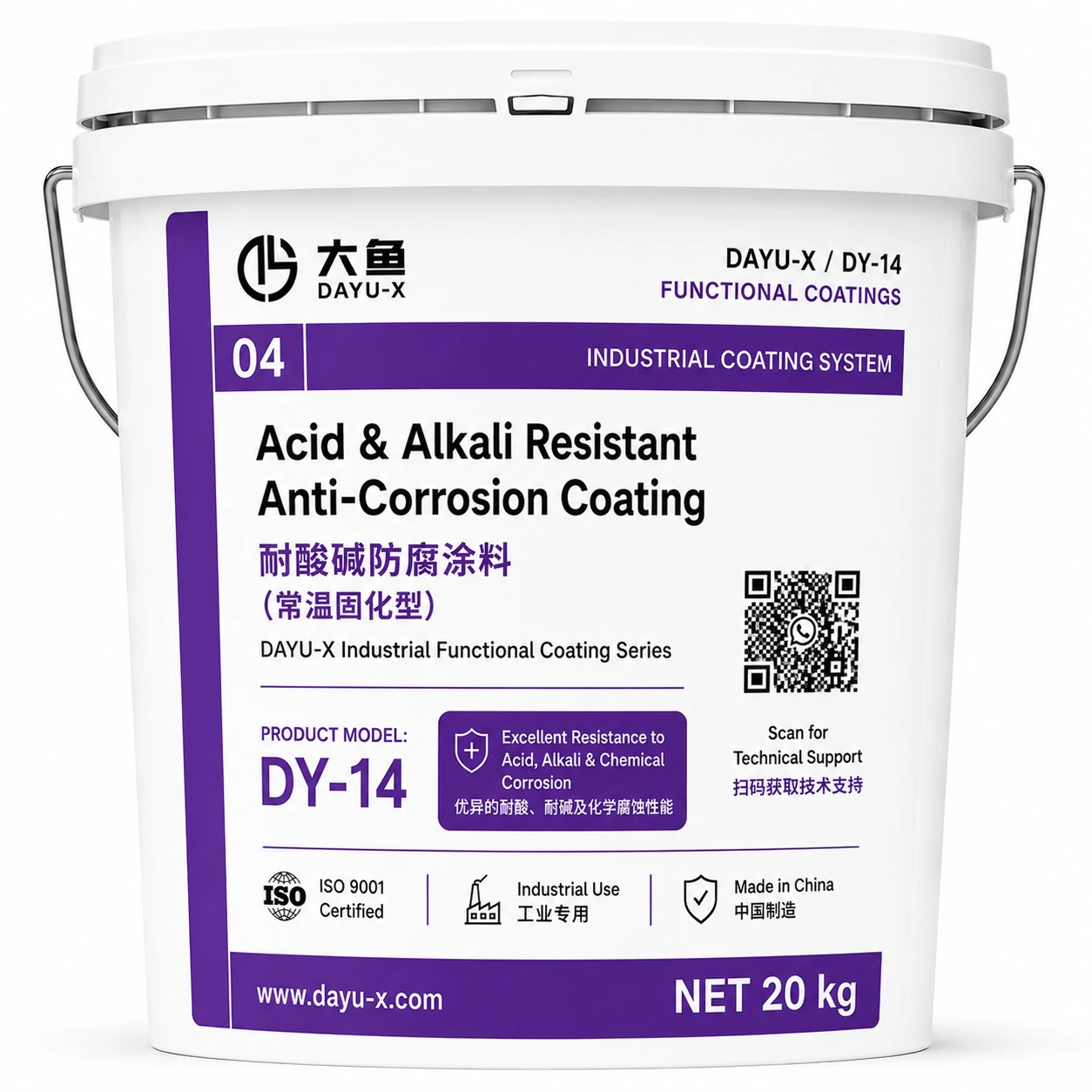
Barrier protection for compatible substrates exposed to identified acids, alkalis, salts or process chemicals.
Typical equipmentStorage tank · Pipeline
View product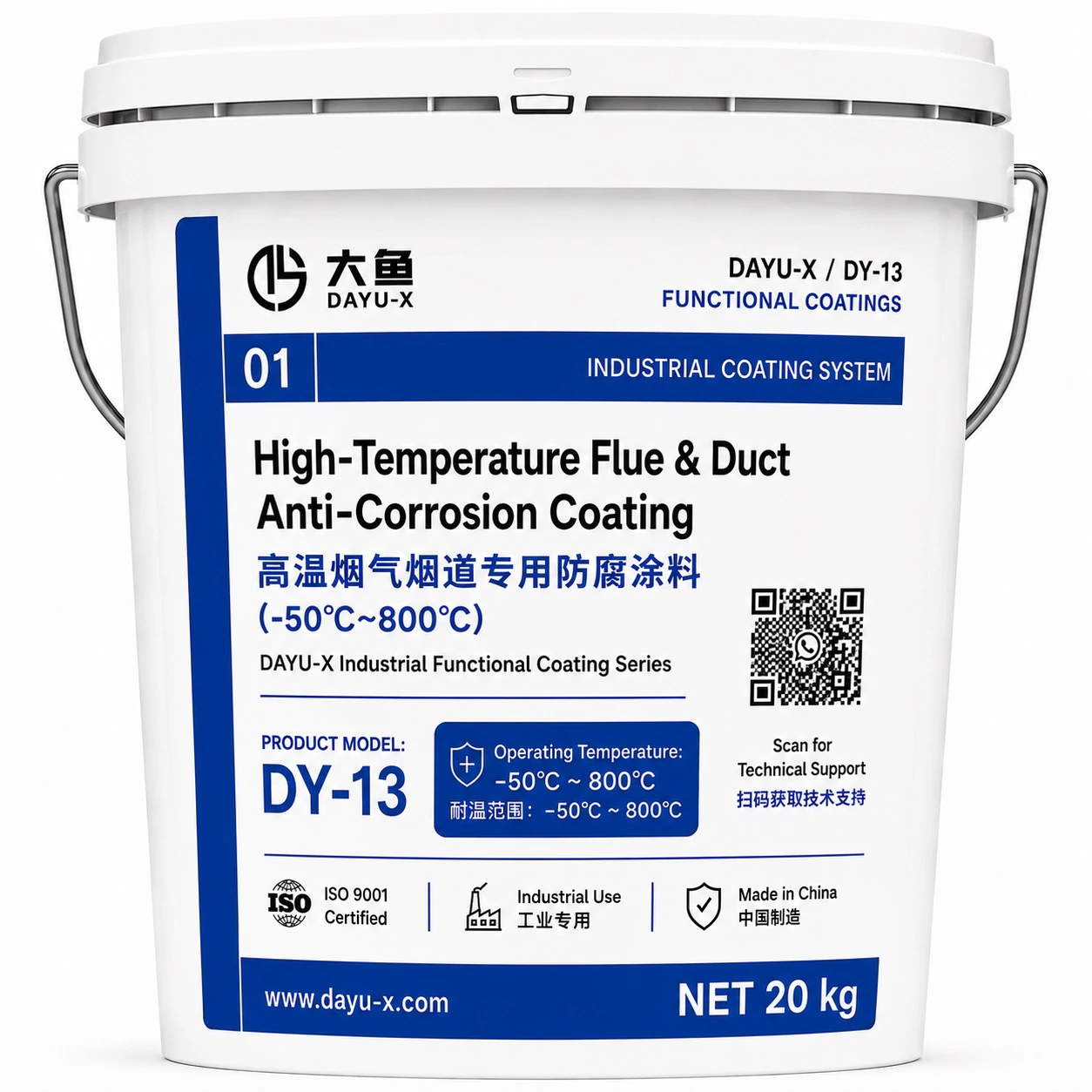
Barrier protection for compatible substrates exposed to identified acids, alkalis, salts or process chemicals.
Typical equipmentDesulfurization tower · Scrubber
View product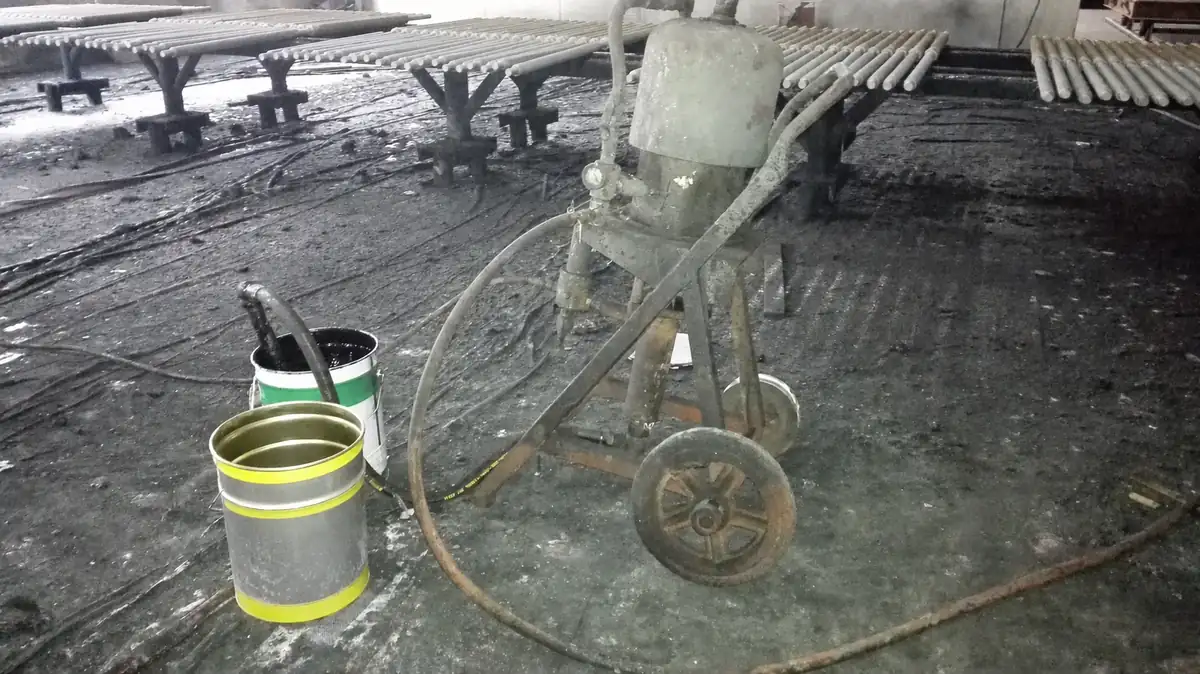
ConditionWater-bearing flue gas, acidic condensate, particulates and complex finned-tube geometry.
DirectionCorrosion protection for flue-gas service
Related productDY-13 High-Temperature Flue-Gas Anti-Corrosion Coating
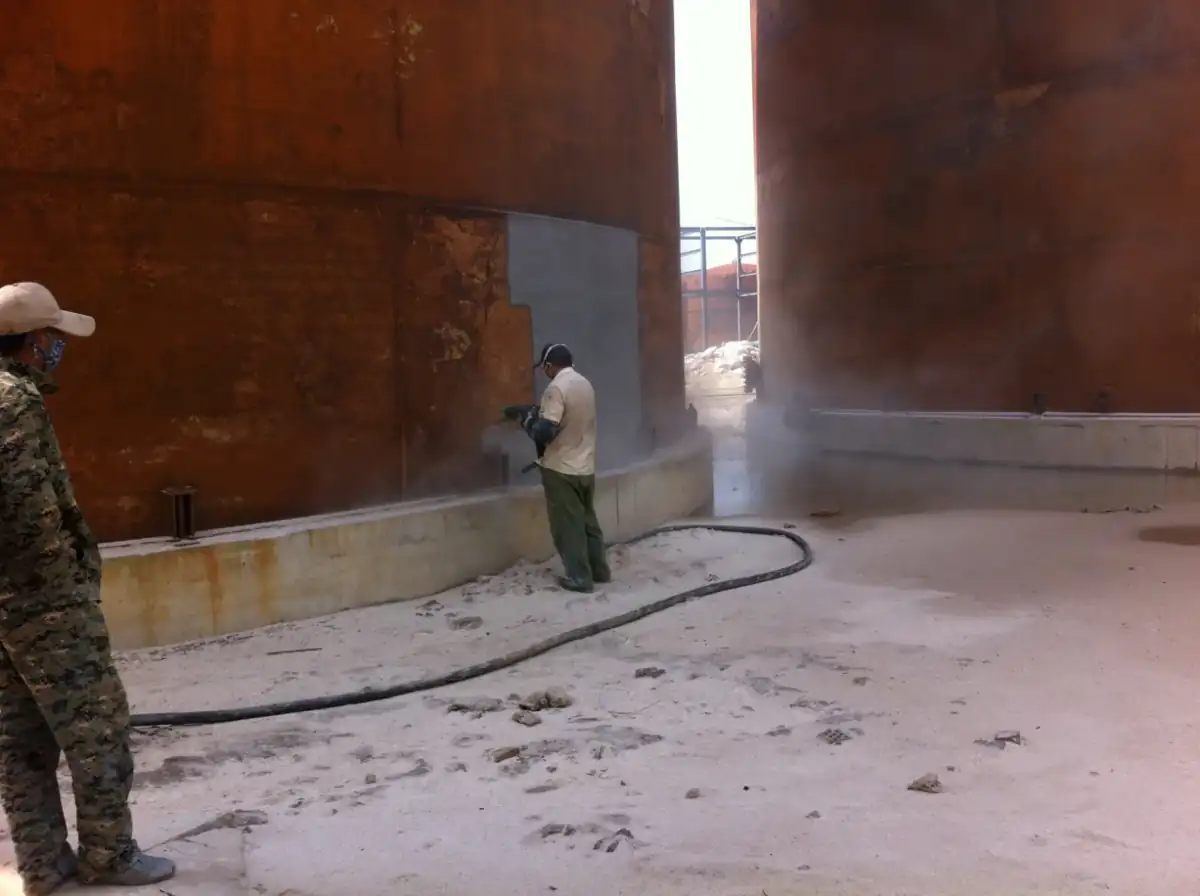
ConditionOutdoor solar exposure, industrial atmosphere and chloride-bearing coastal conditions.
DirectionBarrier protection for exposed tank surfaces
Related productDY-14 Acid & Alkali Resistant Coating
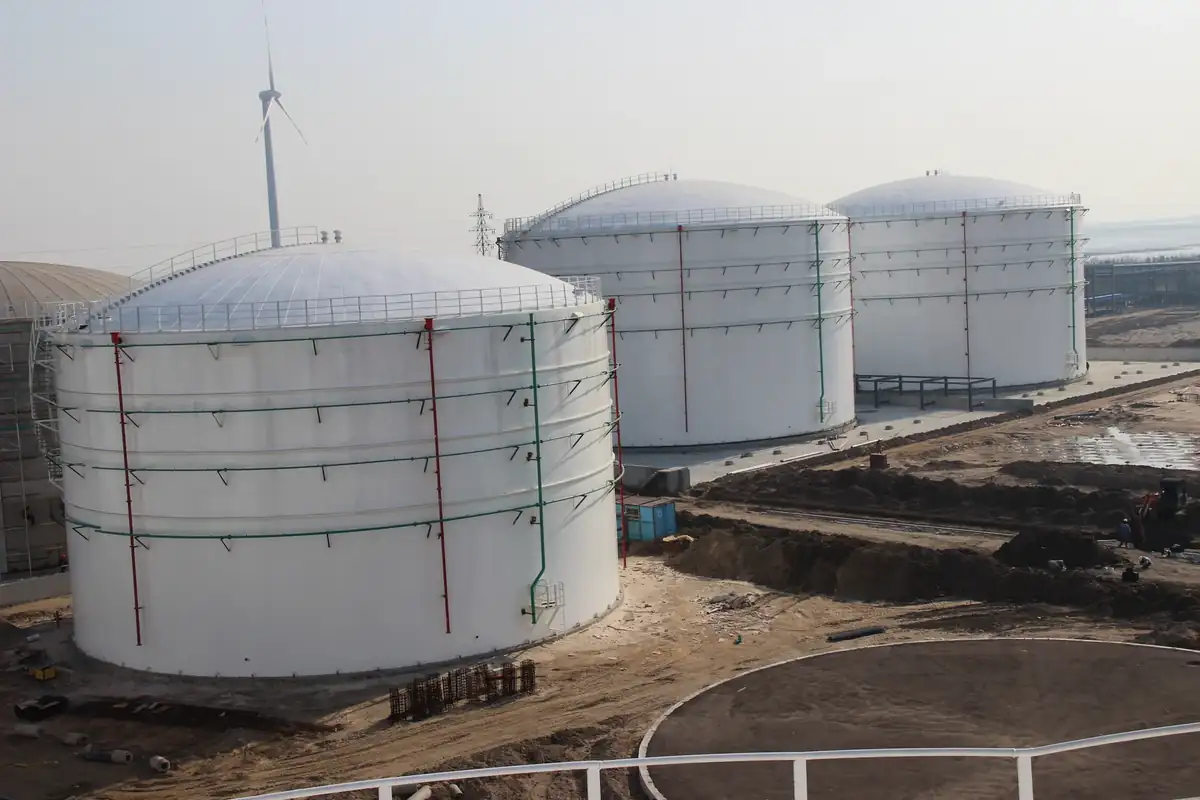
ConditionRain, industrial atmosphere and local chemical exposure around tanks, pipework and steel supports.
Direction

ConditionOutdoor exposure combines ultraviolet radiation, rain, windborne dust, temperature changes and moisture at bolted or welded details.
Direction
Identify every medium, concentration, continuous and transient temperature, contact mode, cleaning chemical, substrate, existing coating and maintenance window.
No. Chemical compatibility is specific to the identified medium and service condition. Do not extrapolate one resistance result to unrelated chemicals or concentrations.
Record defects, adhesion, contamination and exposure history. Retention requires compatibility and a representative trial review; unsound material must not be overcoated.
DAYU-X
Describe the equipment, medium, operating temperature and failure signs so the protection direction can be assessed.