
Operating background
A repair-first protection strategy for industrial concrete structures, addressing cracks, joints, water penetration, delamination and unstable previous repairs before a continuous protective layer is considered.
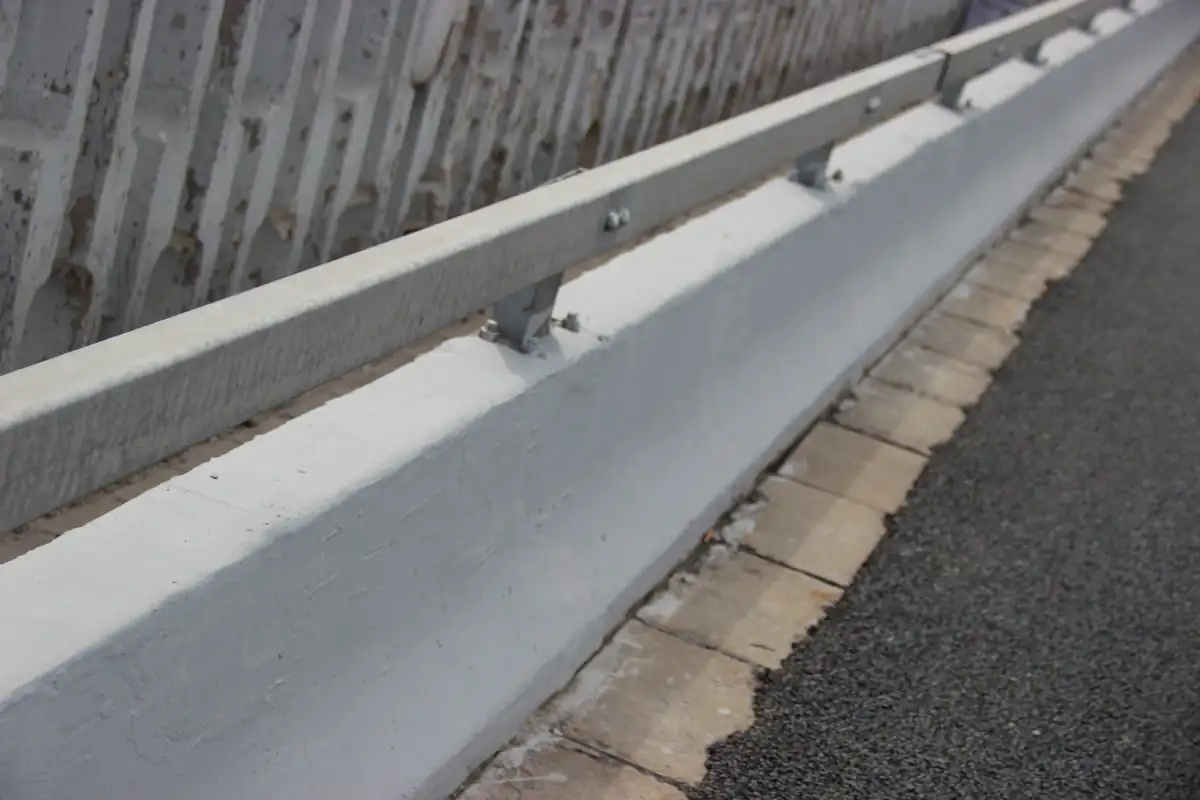
Solutions
Confirm concrete condition, moisture source, crack activity and surface stability before repair, sealing and protective-layer work.
A repair-first protection strategy for industrial concrete structures, addressing cracks, joints, water penetration, delamination and unstable previous repairs before a continuous protective layer is considered.
Water and contaminants enter through pores, cracks, joints and damaged cover. If delaminated concrete, corroding reinforcement or moving cracks are only coated over, deterioration continues behind the new surface layer.
Cracking, spalling, delamination, efflorescence, damp patches, failed patch repairs and corrosion-related damage around reinforcement.
Water and contaminants enter through pores, cracks, joints and damaged cover. If delaminated concrete, corroding reinforcement or moving cracks are only coated over, deterioration continues behind the new surface layer.
A repair-first protection strategy for industrial concrete structures, addressing cracks, joints, water penetration, delamination and unstable previous repairs before a continuous protective layer is considered.
Review the related product seriesProductsMap cracks, hollow areas, spalls, damp zones, reinforcement exposure and previous repairs.
Separate stable surface defects from active movement, water-entry paths and structural concerns.
Create stable repair boundaries, treat exposed details and complete compatible repairs.
Confirm repair stability and moisture condition, then prepare the full area for the protective layer.
Inspect continuity at repairs, joints and penetrations and retain a map for future condition comparison.
Industrial concrete that can be surveyed, repaired to a stable condition and protected with materials compatible with its moisture and movement conditions.
A surface coating cannot restore structural capacity, arrest active movement or compensate for unresolved water entry. Structural or waterproofing review takes precedence where those conditions exist.
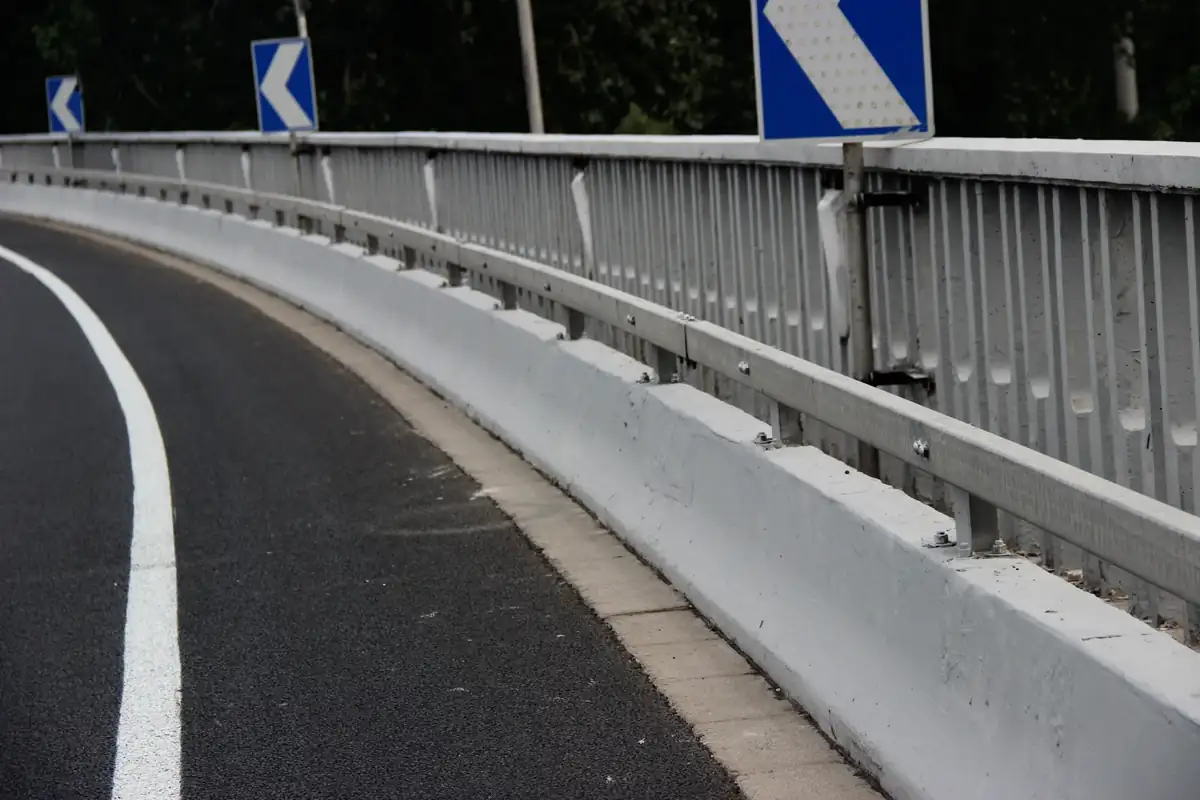
ConditionOutdoor rain, traffic contamination and repeated wet-dry exposure on concrete structures.
Direction
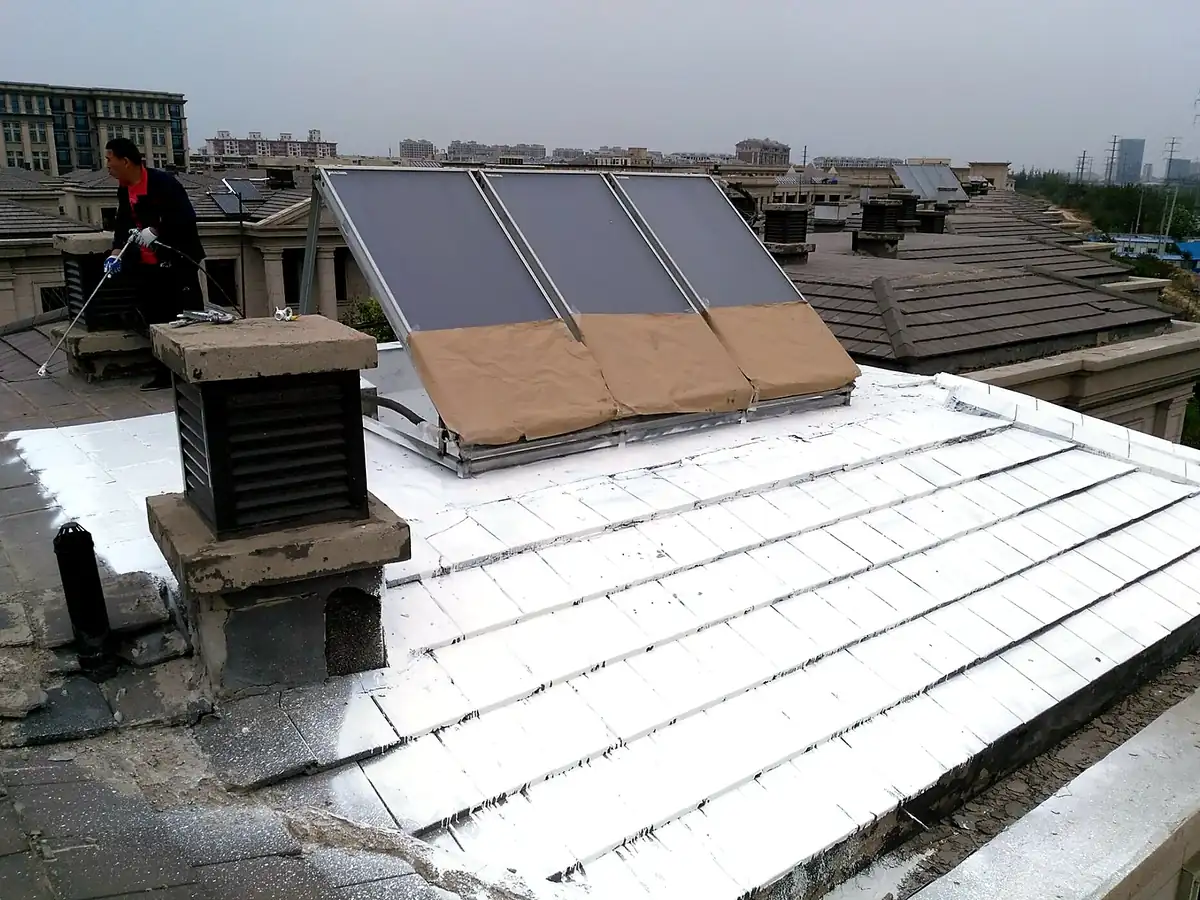
ConditionLarge exposed roof areas, joints and weathered substrates receive sustained solar radiation.
Direction

ConditionRepeated wet-dry exposure, porous concrete, joints and local water retention around industrial cooling-water structures.
Direction
Not until their condition is understood. Active, structural or water-bearing cracks can require a different repair or engineering response from stable surface cracking.
A coating cannot stabilize weak concrete. Unsound material prevents a durable substrate and can continue to detach behind the new surface layer.
Record cracks, hollow or spalled areas, moisture, water-entry paths, previous repairs, reinforcement exposure and the boundaries proposed for repair.
No. Structural loss, active movement or reinforcement damage requires appropriate engineering assessment and repair before surface protection is considered.
DAYU-X
Describe the equipment, medium, operating temperature and failure signs so the protection direction can be assessed.