Annealing Furnace Wall and Radiant-Tube Protection, industrial site image

Case Studies

Annealing Furnace Wall and Radiant-Tube Protection

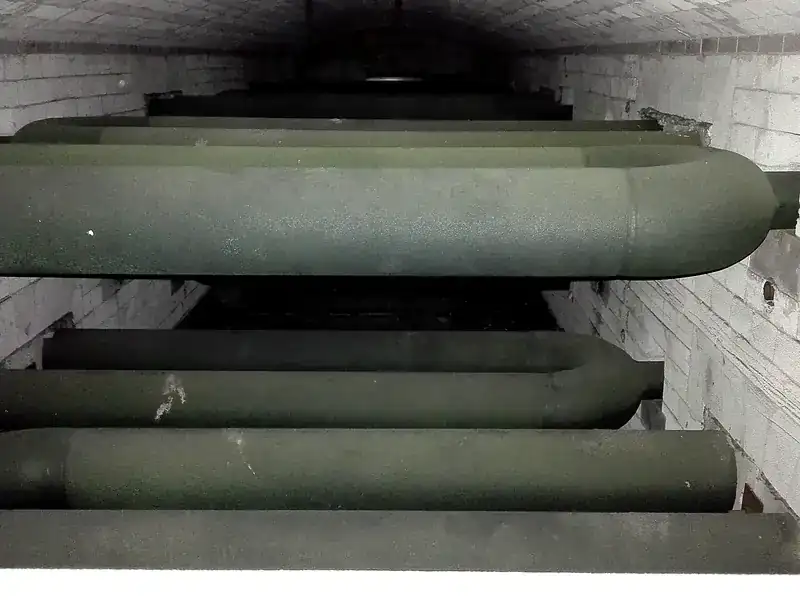
SteelAnnealing furnace wall and radiant tubes

Equipment background

Annealing furnace wall and radiant tubes operates within the Steel process and requires protection that remains practical to inspect and maintain. High temperature, repeated thermal cycling and deposits on furnace walls, rollers and radiant tubes.

Industry
Steel
Equipment
Annealing furnace wall and radiant tubes

How the problem develops

Environmental exposure

High temperature, repeated thermal cycling and deposits on furnace walls, rollers and radiant tubes.

Operating conditions

The review focuses on the actual exposure of Annealing furnace wall and radiant tubes: duty cycle, temperature changes, moisture or process media, dust or particle movement, vibration, access and shutdown constraints. Where a verified numerical value is unavailable, the condition is kept qualitative.

Observed condition and failure signs

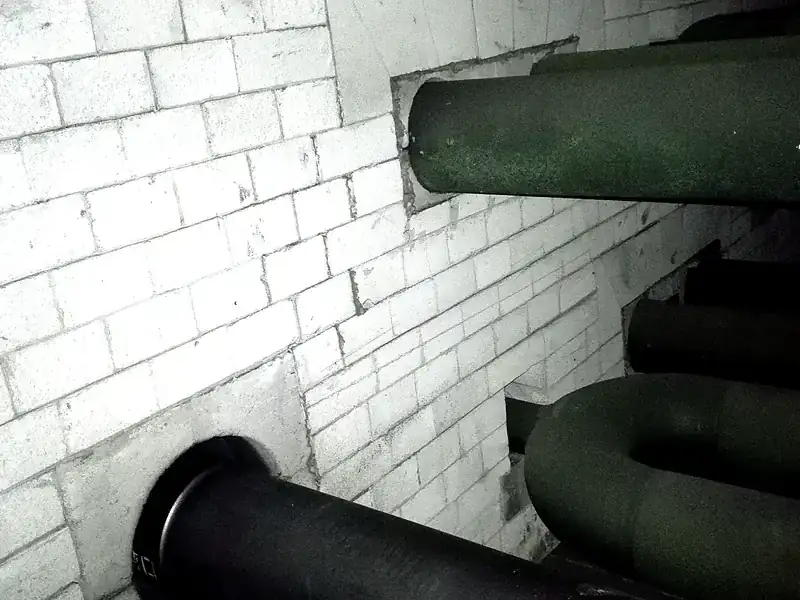
Deposits, oxidation and local wear complicated inspection and surface preparation.

Problem analysis

Deposits, oxidation and local wear complicated inspection and surface preparation. Inspection should distinguish active defects from stable areas, confirm substrate soundness and cleanliness, and identify edges, welds, joints, low points and restricted-access zones before the repair scope is fixed.

Problem to address

Particles remove or thin the protective surface while heat, oxygen, moisture or process species attack the exposed substrate. Because erosion and corrosion reinforce one another, the system must address both mechanisms.

Protection objectives

Create a maintainable protection path for Annealing furnace wall and radiant tubes, reduce the identified exposure at vulnerable details and keep future inspection practical without claiming an unverified service result.

Solution approach

System selection rationale

Remove deposits and unstable material, prepare the metal surface and use a protective build compatible with heat, cycling and local wear. Final material and layer decisions remain subject to the confirmed substrate, medium, access, shutdown window and compatibility review.

Surface preparation

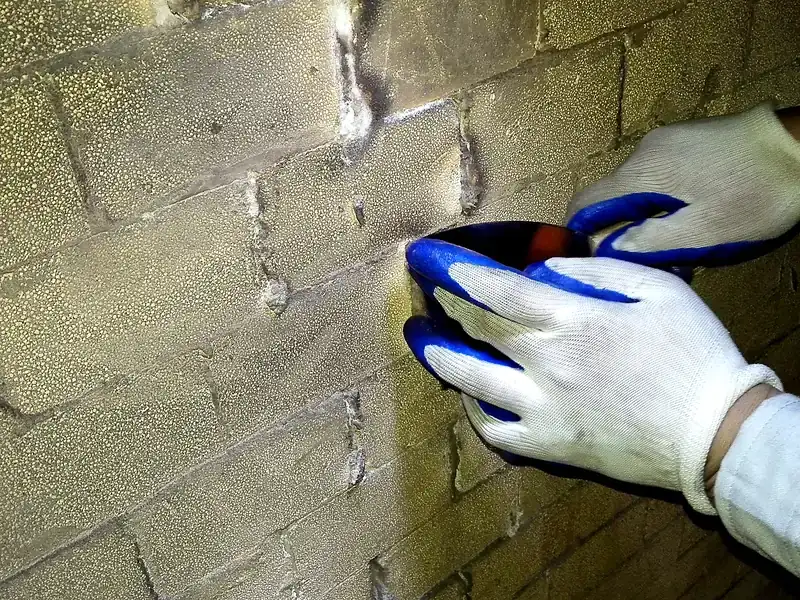
Inspect the substrate, remove contamination, deposits and unsound material, define repair boundaries, and treat edges, welds, joints and restricted details before coating. Preparation acceptance is recorded before application proceeds.

Application workflow

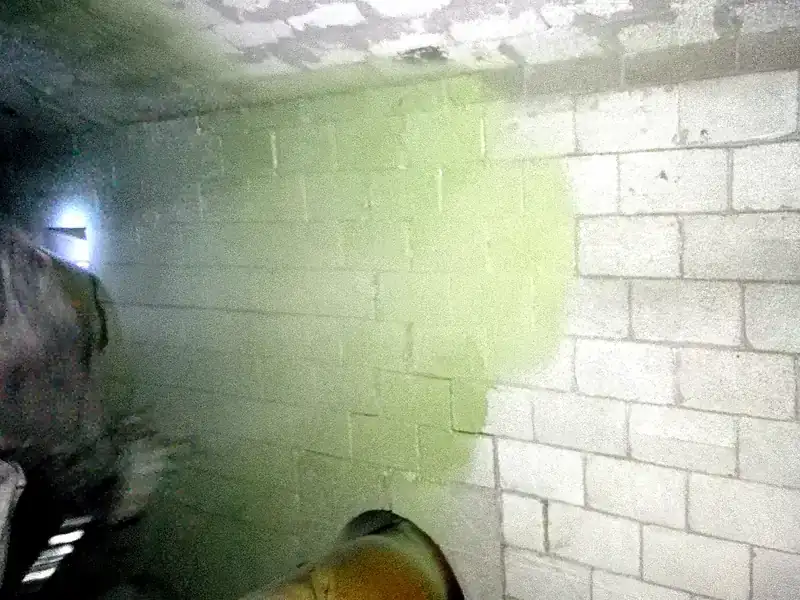
Confirm the work boundary and condition record, complete substrate preparation and local repairs, prepare material under the approved instructions, build continuous coverage in controlled stages, inspect each stage and document the completed surface.

Curing and return-to-service control

Protect the applied surface from contamination, moisture, mechanical damage and premature service. Return to operation only after the specified curing condition and final inspection for the selected system have been satisfied.

Application and quality control

Quality control covers substrate inspection, environmental records, material preparation, coverage at details, layer continuity, curing and representative inspection records. Unstable areas are corrected before the next layer or return to service.

Inspection and maintenance

Future inspections should revisit the same high-risk details, record changes in corrosion, wear, cracking, contamination or thermal condition, and repair local damage before it spreads. Maintenance intervals are set from the real operating exposure rather than a generic promise.

Site-condition images

The gallery records the equipment condition, preparation and representative application stages.

Frequently asked questions

What information is needed before selecting a system?

Confirm the equipment, substrate, exposure, operating cycle, access and current condition of Annealing furnace wall and radiant tubes.

Why is site inspection important?

It separates active defects from stable areas and defines cleaning, repair and compatibility checks.

Can the photographs prove a performance result?

No. They document the observed condition and application stages; performance claims require verified project evidence.

How is surface preparation accepted?

The substrate is checked for soundness, cleanliness, repaired details and readiness before material application.

What should be checked during application?

Coverage at edges and joints, continuity between stages, environmental records and the approved material instructions.

How should the protected area be maintained?

Revisit the same high-risk details, record change and repair local damage before it spreads.

DAYU-X

Have a project with similar operating conditions?

Share the equipment, exposure and current damage so we can compare the relevant application direction.

Contact technical team