
Industry operating characteristics
High heat, scale and dust coexist with heavy handling, vibration and large steel structures.
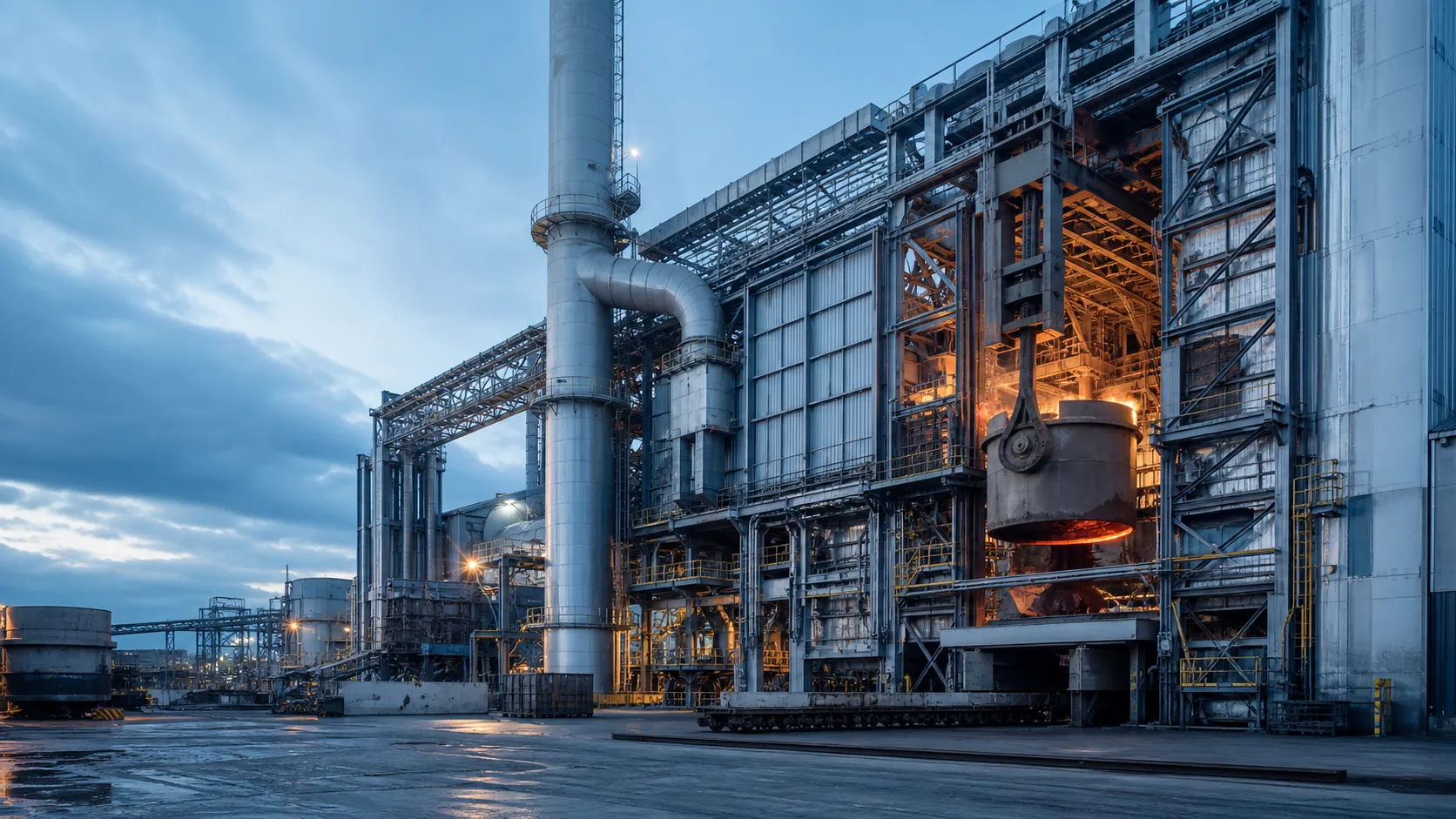
Industry applications
Protection for furnace systems, gas paths, dust collection, conveying and exposed steelwork in steel production.
High heat, scale and dust coexist with heavy handling, vibration and large steel structures.
Heating, annealing, material transfer, gas extraction, dust collection and structural support systems create different maintenance zones.
High heat and radiant exposure
Scale and abrasive dust
Industrial atmosphere and outdoor exposure
Thermal cycling
Heavy handling and vibration
Maintenance during planned outages
Thermal cycling and oxidation affect furnace surfaces while scale, dust and handling loads concentrate abrasion around gas and material routes.
Typical equipmentHeating furnace · annealing furnace · hot-blast system
Heat, cycling and the local gas atmosphere accelerate oxidation at exposed surfaces and joints.
Scale, cracking and local loss of the protective barrier can increase maintenance exposure.
View solutionTypical equipmentDust duct · fan · chute · conveyor
Particle size, speed, impact angle and concentrated flow remove material unevenly.
Thinning, grooves and local perforation can disturb flow and shorten service intervals.
View solutionTypical equipmentFlue · dust collector · outdoor steelwork
Moisture collects at cold spots, welds, supports and poorly drained details.
Blistering, pitting and hidden corrosion can spread beyond the visible defect.
View solutionTypical equipmentFurnace shell · hot duct · process line
Exposed surfaces, damaged insulation, supports and complex geometry create thermal paths.
Uneven surface temperature and heat loss can affect access, process stability and energy use.
View solution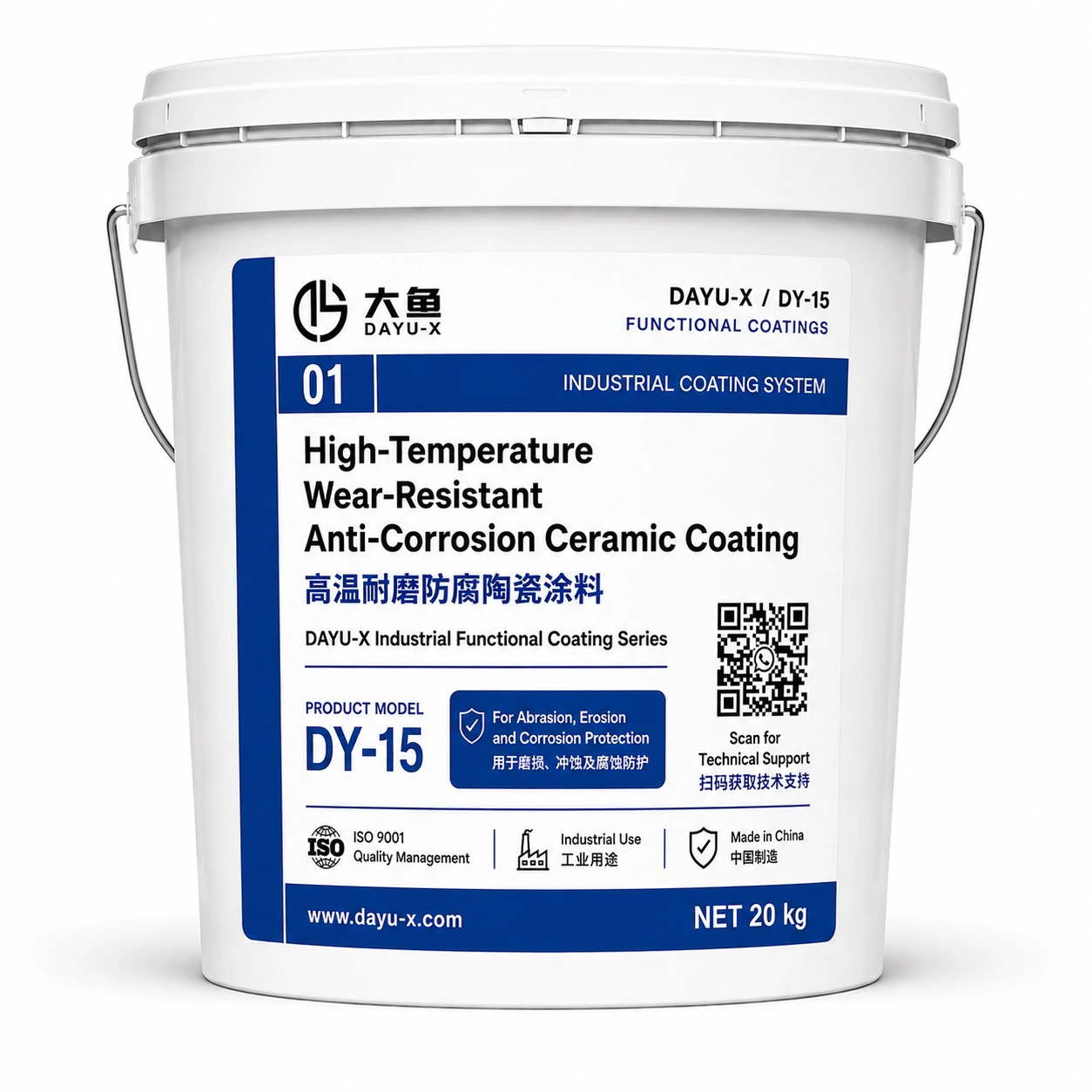
Protective coating systems for equipment exposed to abrasion, particle erosion and combined corrosive service.
Typical equipmentBucket elevator · Silo and hopper
View product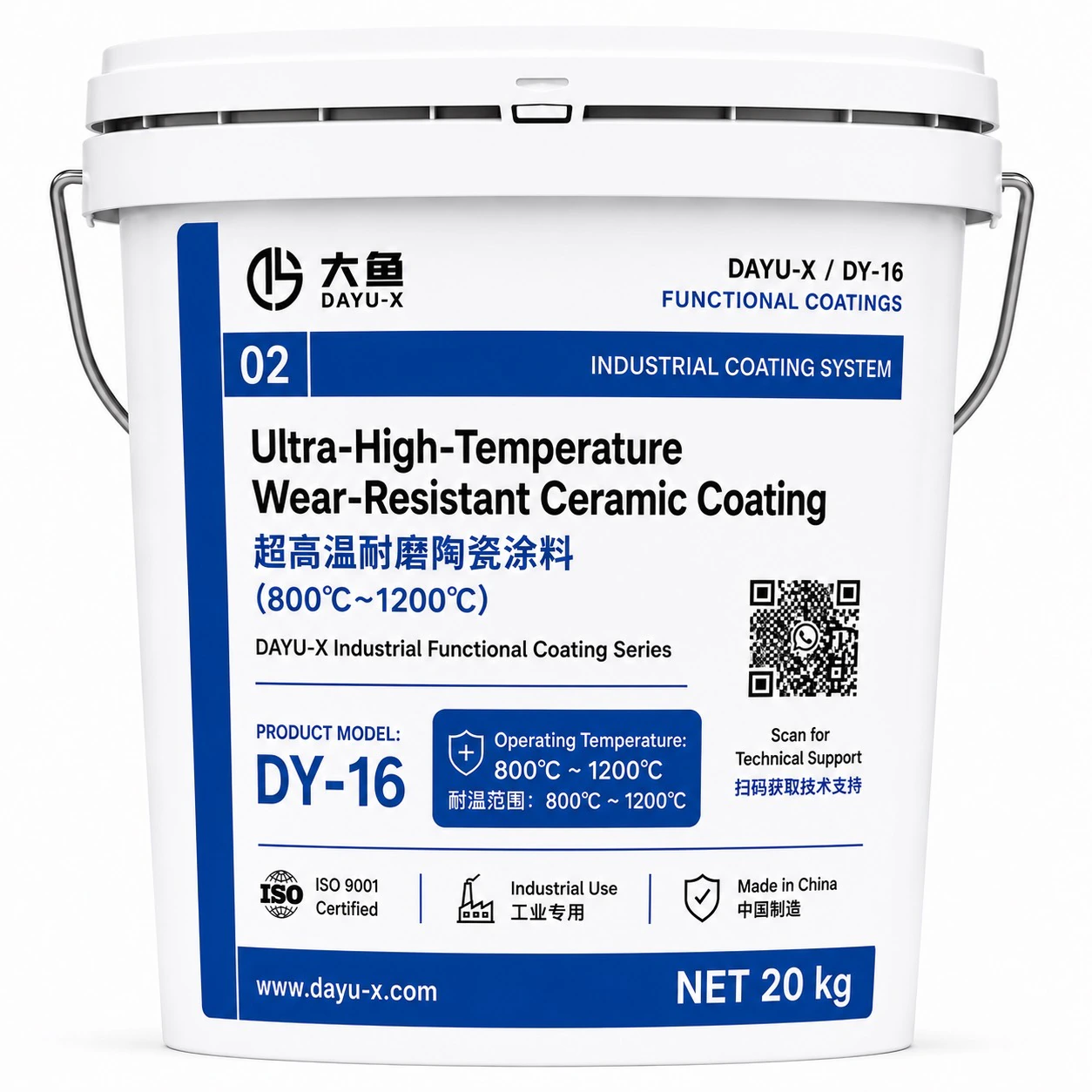
Protective coating systems for equipment exposed to abrasion, particle erosion and combined corrosive service.
Typical equipmentWaterwall tube · Economizer
View product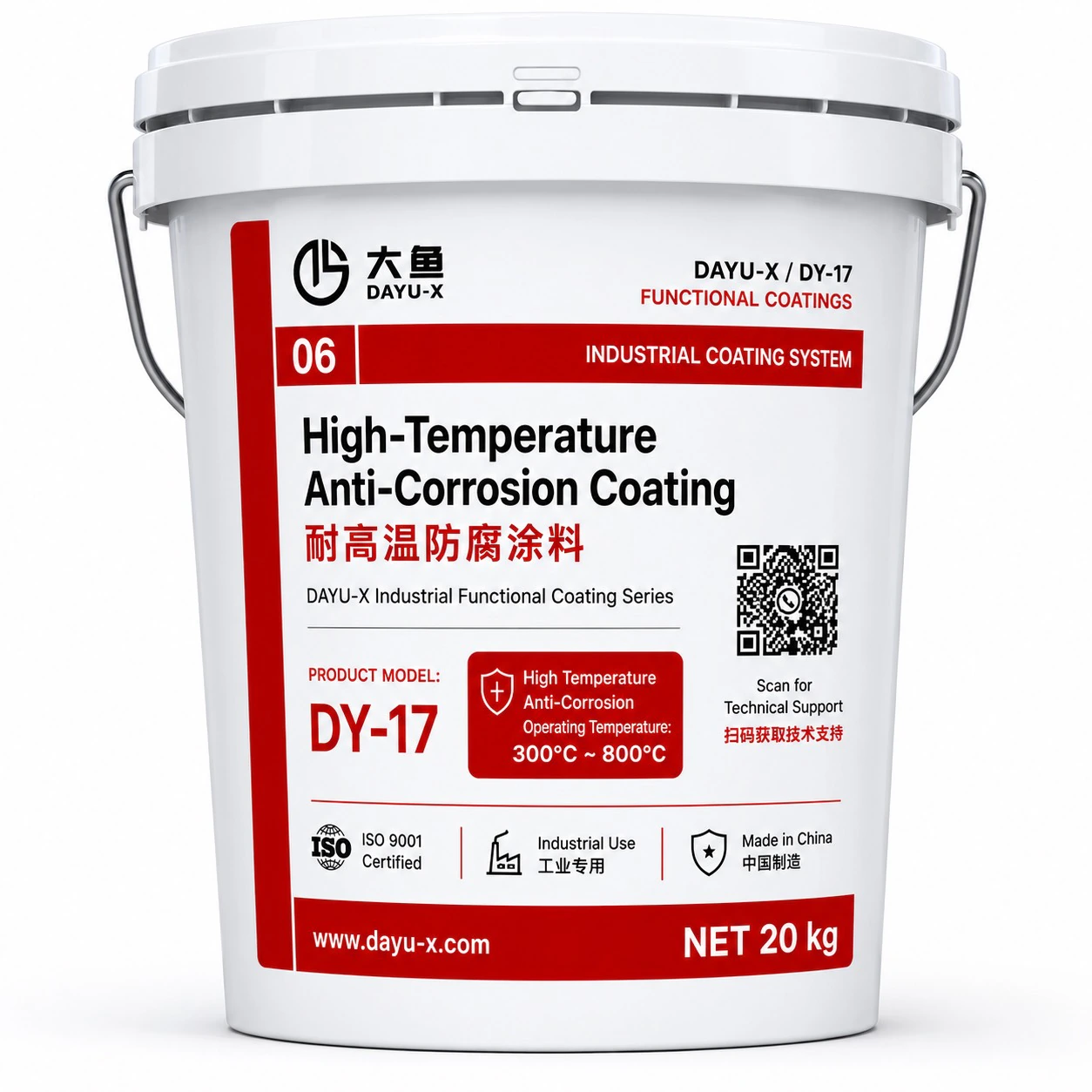
Protective systems selected for the actual temperature, thermal cycle, substrate and corrosive exposure.
Typical equipmentFurnace shell · Drying oven
View product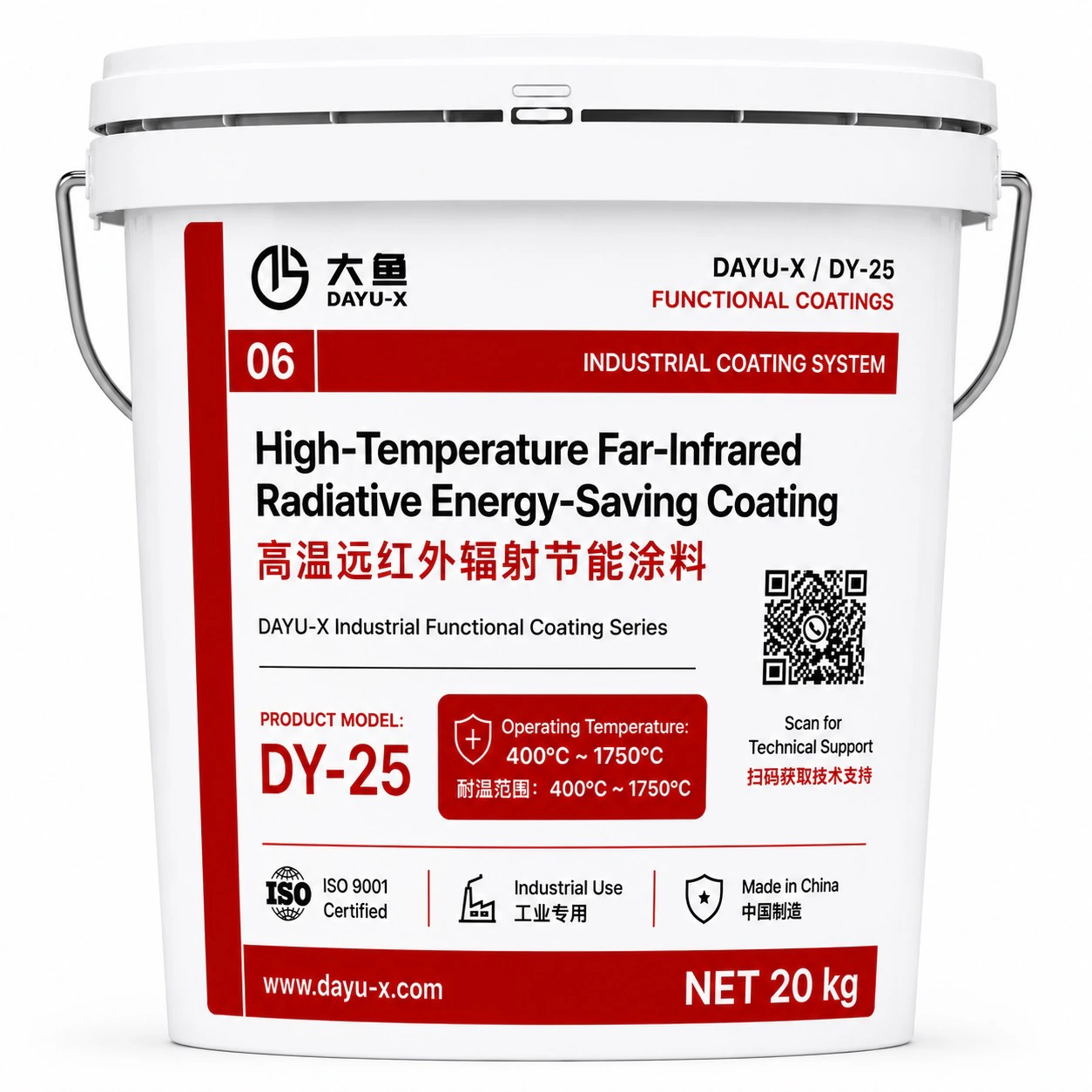
Protective systems selected for the actual temperature, thermal cycle, substrate and corrosive exposure.
Typical equipmentIndustrial kiln · Cracking furnace
View product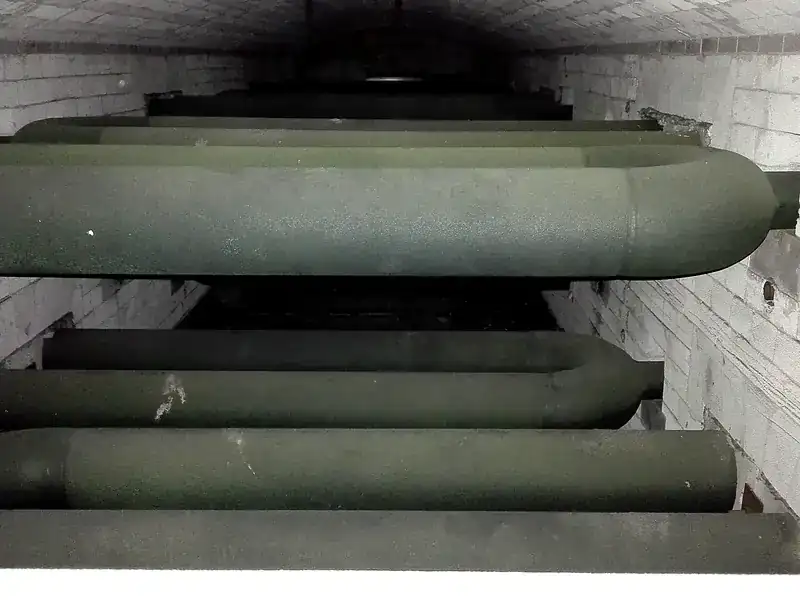
High temperature, repeated thermal cycling and deposits on furnace walls, rollers and radiant tubes.
View case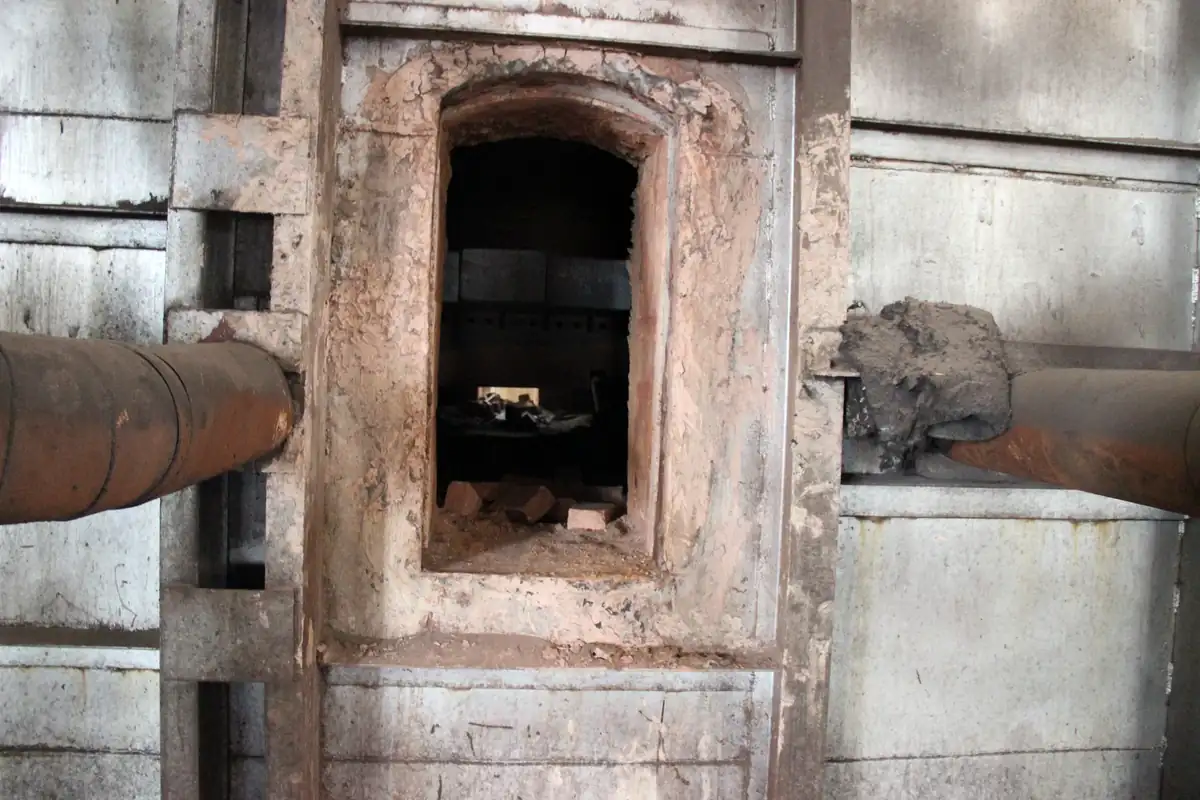
High temperature, repeated thermal cycling and deposits on furnace walls, rollers and radiant tubes.
View case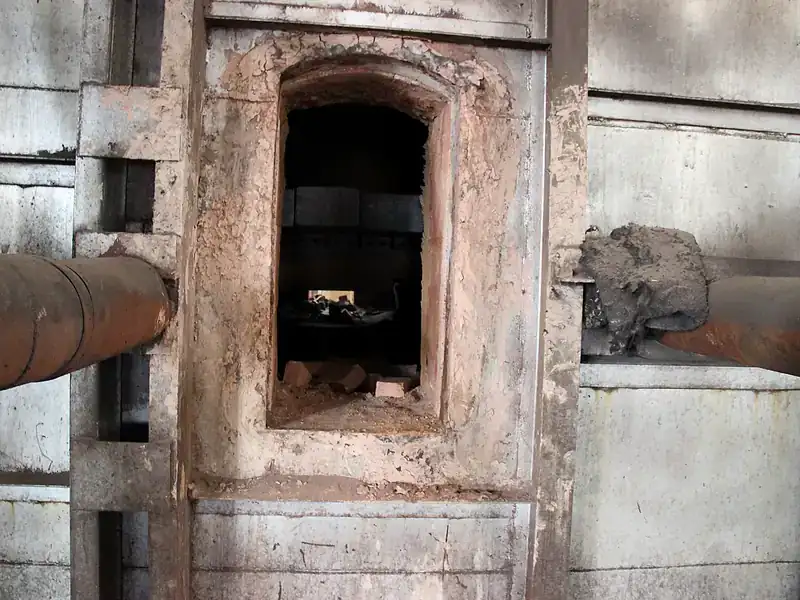
Shutdown access, refractory condition, dust, residual heat and the geometry around openings determine the preparation and application sequence.
View case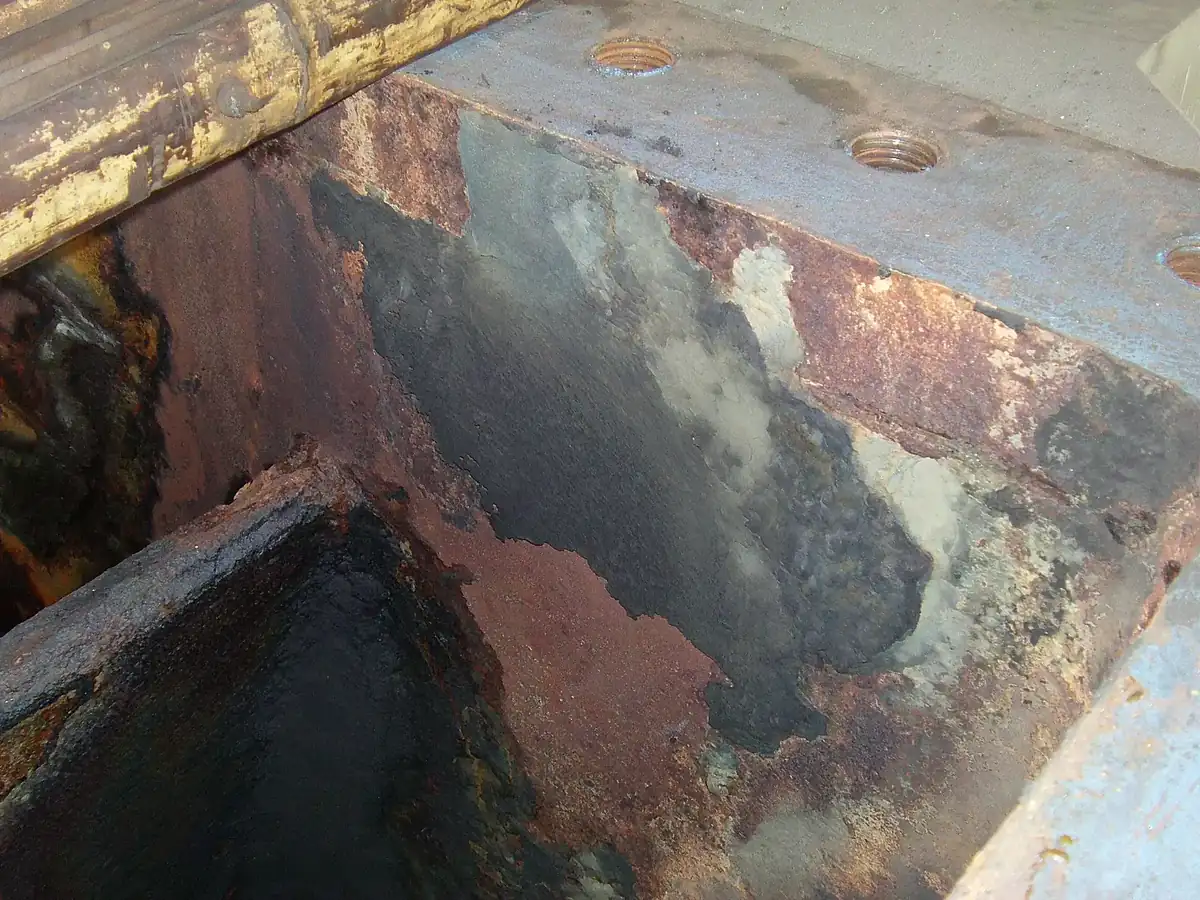
Heat, oxidation, deposits, old surface layers and restricted access during shutdown inspection.
View caseProvide the equipment location, substrate, medium, operating state, visible high-temperature oxidation signs, access and maintenance constraints. The review must begin with the actual service condition.
Prioritise assets such as Industrial kiln · Furnace shell · Dust collection equipment · Pipeline where exposure is concentrated, coating condition is changing or access is only available during shutdown.
Only after adhesion, contamination, moisture, defects and compatibility are assessed. Loose or chemically affected layers around high-temperature oxidation zones must not be buried.
Map where each mechanism dominates, especially around high-temperature oxidation areas, then define preparation and a compatible layered system for each zone.
Use traceable preparation records, environmental checks, coverage and defect inspection, confirmed hold points and the protection objective: separate heat, wear and atmospheric zones.
Record repeatable inspection locations on Industrial kiln · Furnace shell · Dust collection equipment · Pipeline, changes at welds, edges and repairs, and correct local damage before it spreads beneath the surrounding system.
DAYU-X
Tell us the equipment, process environment and current problem. We will help organize the next technical review.