
Operating background
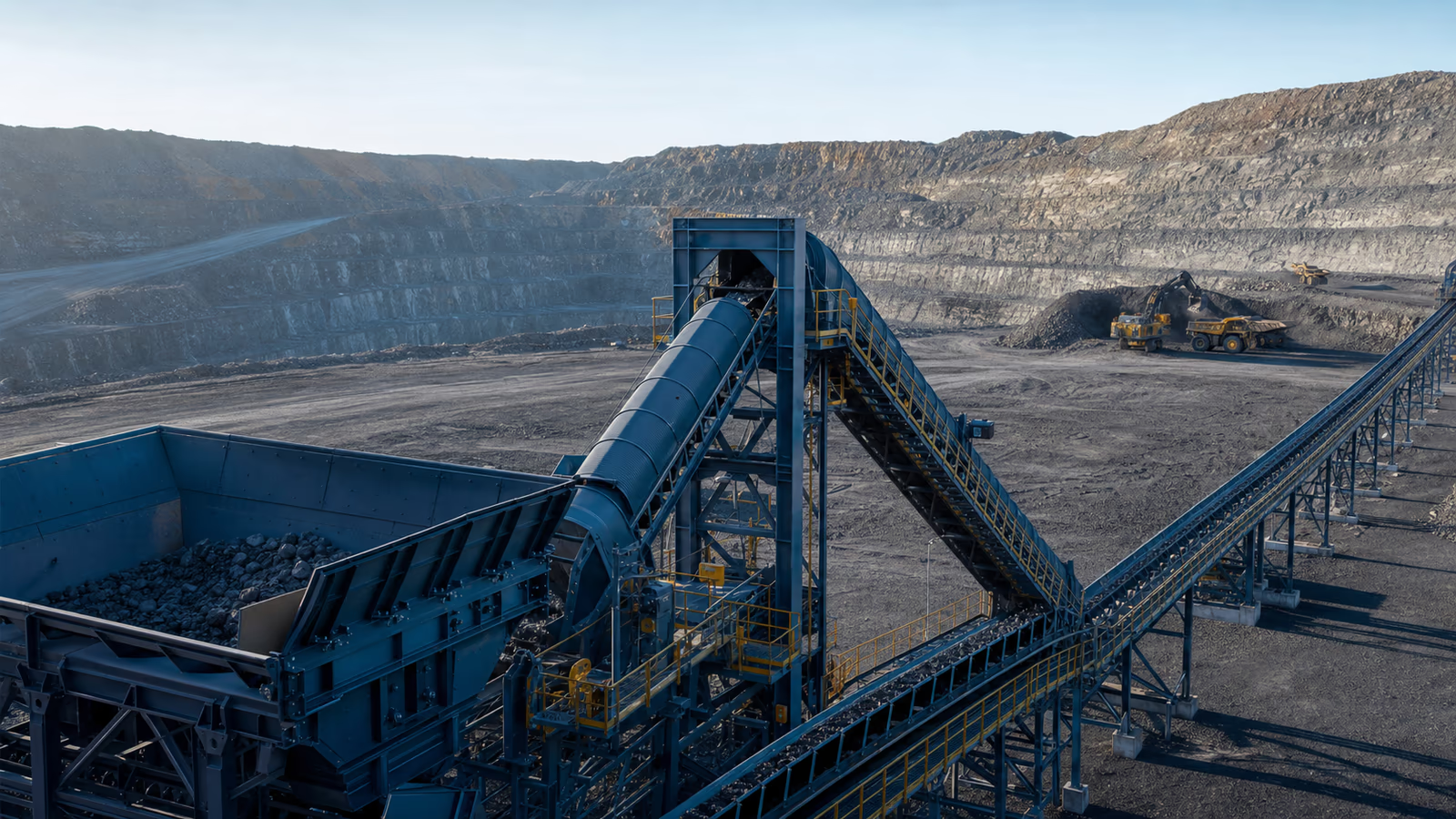
Protection for material-contact surfaces exposed to abrasion, erosion and repeated impact.
Solutions
Protection for material-contact surfaces exposed to abrasion, erosion and repeated impact.
Protection for material-contact surfaces exposed to abrasion, erosion and repeated impact.
Particle size, velocity, impact angle and flow concentration remove material unevenly, while moisture can add corrosion.
Abrasion, particle erosion, impact and combined corrosion
Particle size, velocity, impact angle and flow concentration remove material unevenly, while moisture can add corrosion.
Protection for material-contact surfaces exposed to abrasion, erosion and repeated impact.
Record the equipment, substrate, medium, temperature pattern and access window.
Separate corrosion, wear, heat flow and application causes before selection.
Define the required protection, inspection access and maintenance outcome.
Match compatible layers to the confirmed substrate and operating exposure.
Plan preparation, application controls, curing, inspection and later repair.
Prepared material-contact surfaces where the wear mechanism is identified
Selection requires particle, impact, temperature and chemical information
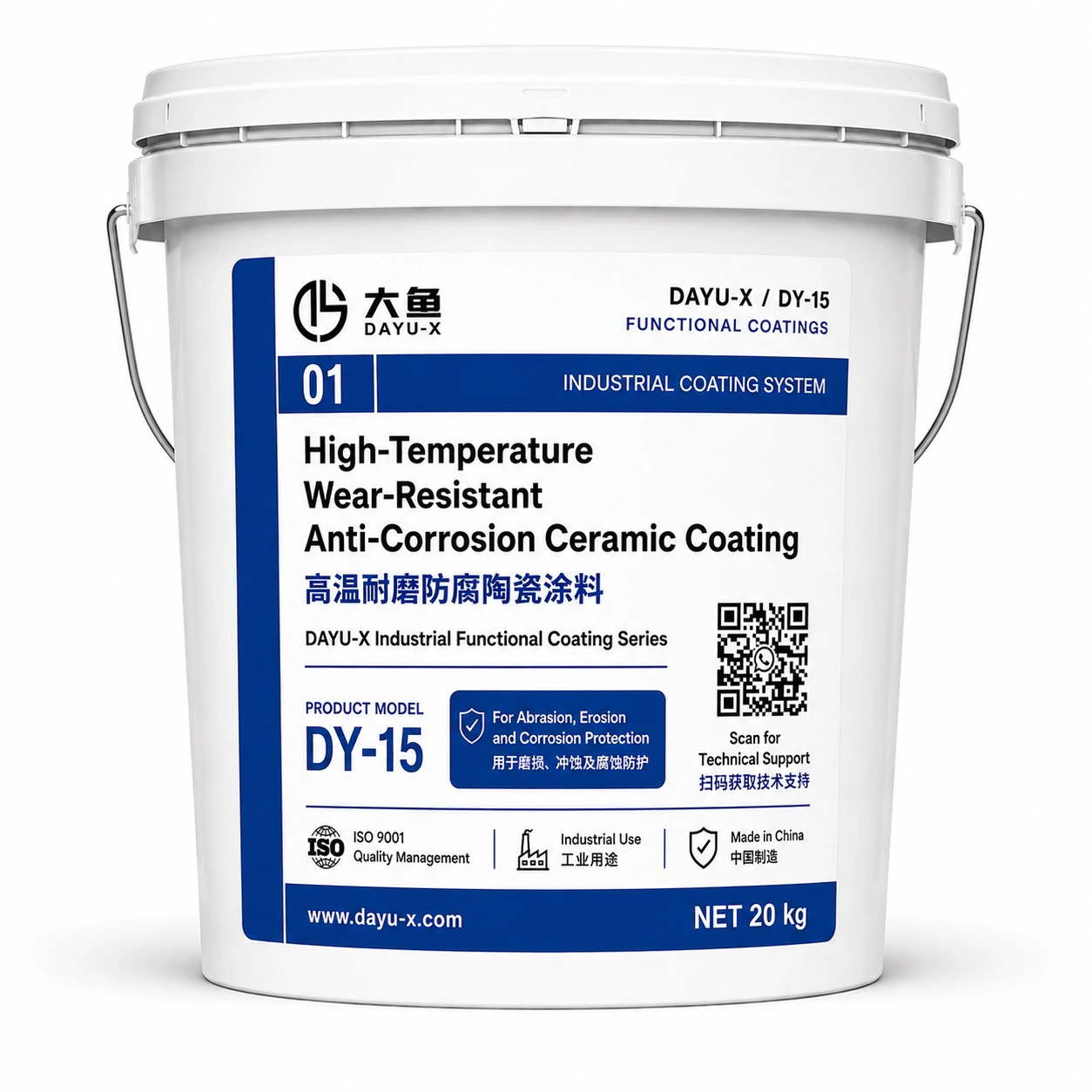
Protective coating systems for equipment exposed to abrasion, particle erosion and combined corrosive service.
Typical equipmentBucket elevator · Silo and hopper
View product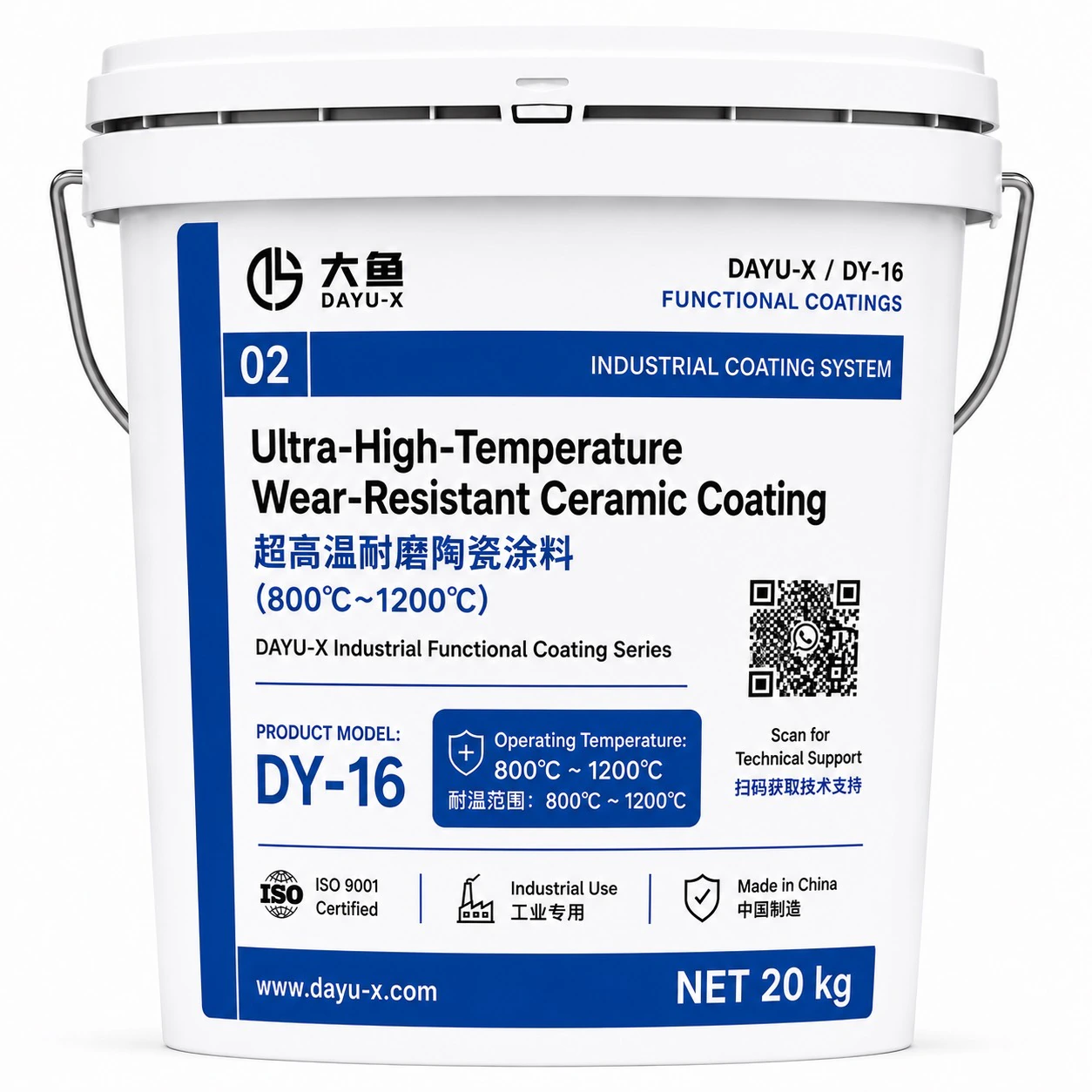
Protective coating systems for equipment exposed to abrasion, particle erosion and combined corrosive service.
Typical equipmentWaterwall tube · Economizer
View product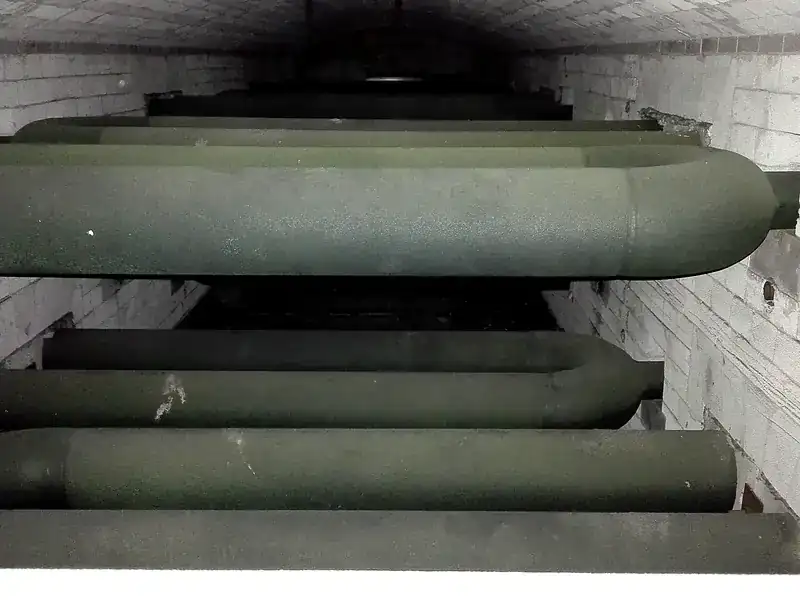
ConditionHigh temperature, repeated thermal cycling and deposits on furnace walls, rollers and radiant tubes.
DirectionThermal protection for furnace equipment
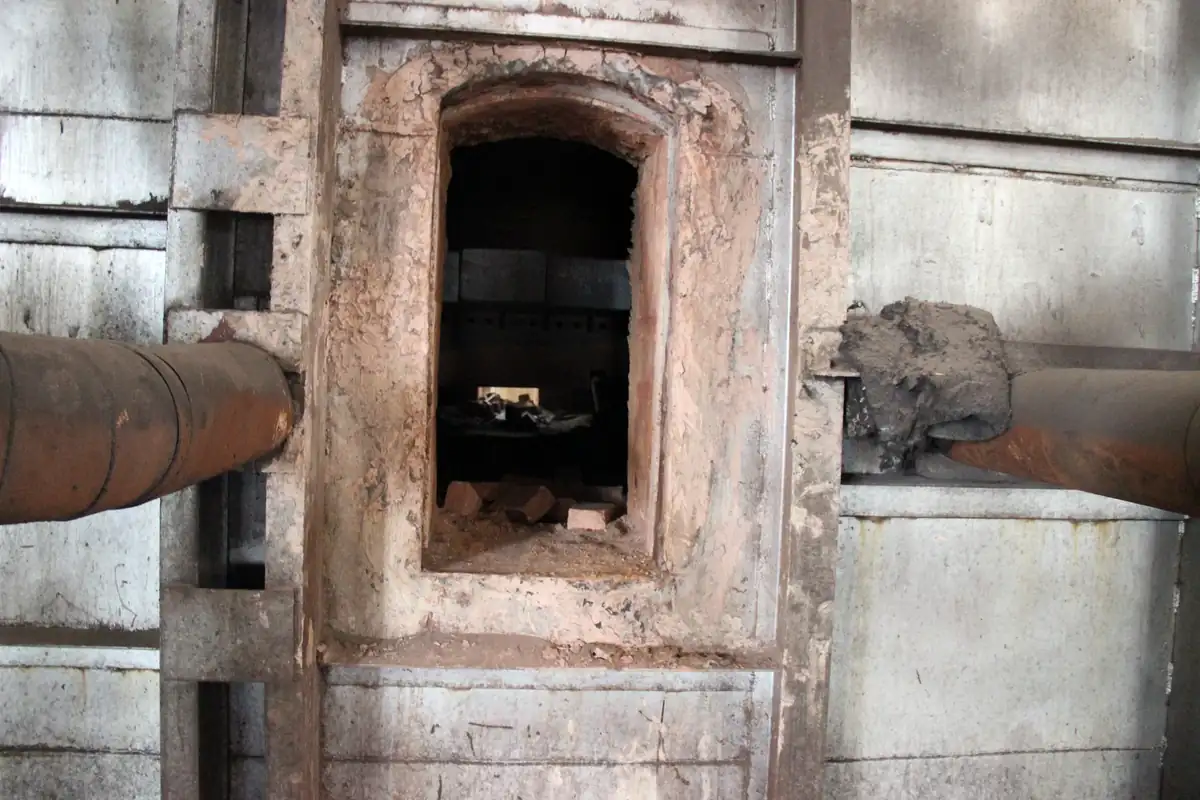
ConditionHigh temperature, repeated thermal cycling and deposits on furnace walls, rollers and radiant tubes.
Direction
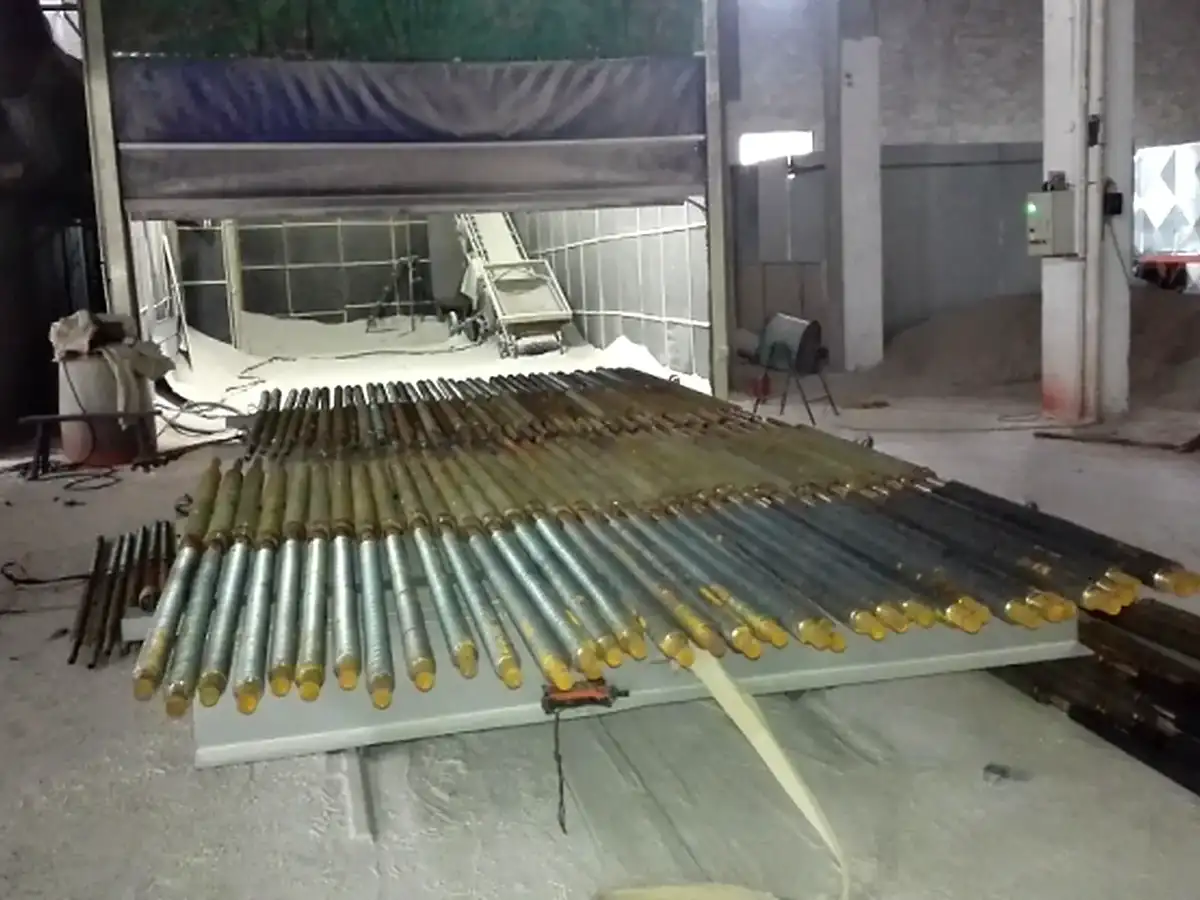
ConditionHigh-temperature gas, ash particles, thermal cycling and local erosion around boiler and flue surfaces.
Direction
Related productDY-15 High-Temperature Wear-Resistant Ceramic Coating
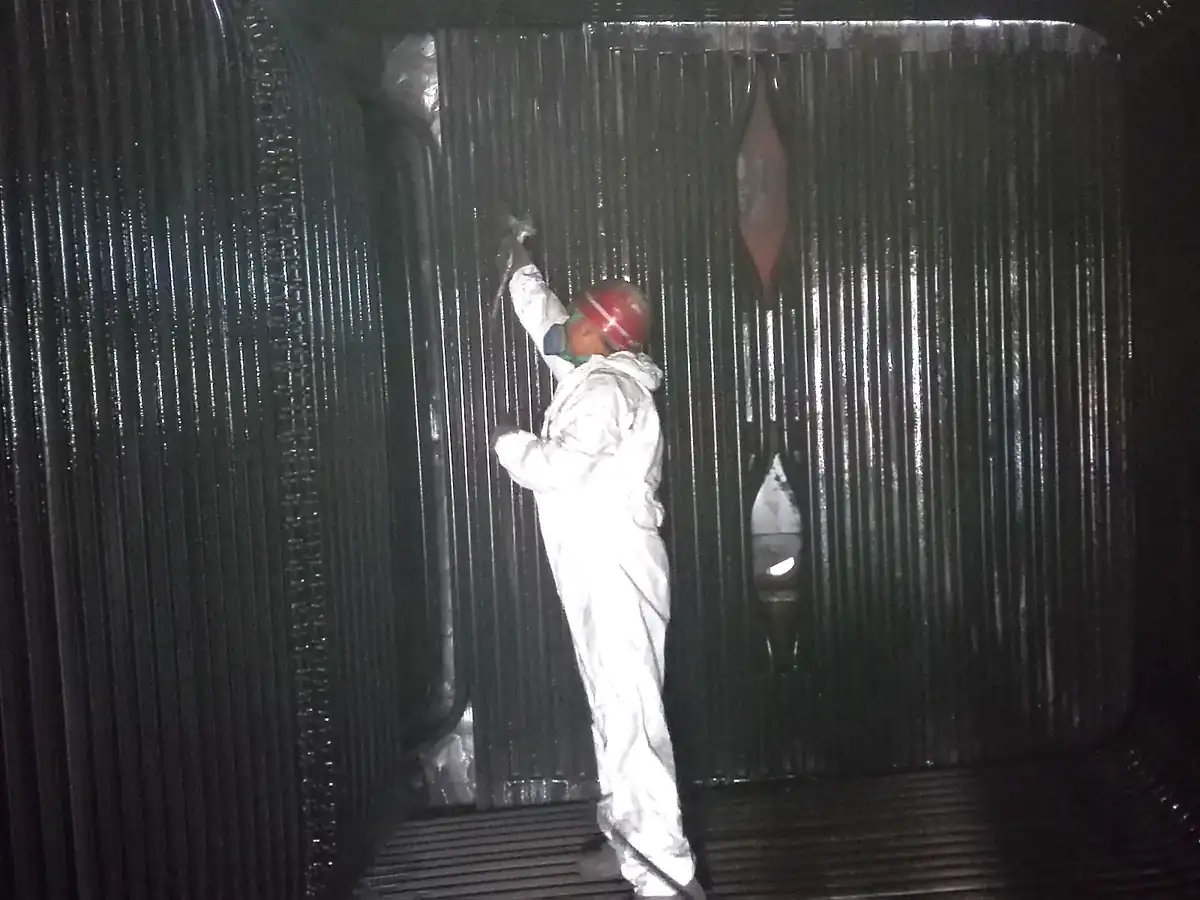
ConditionDense tube geometry, welds, restricted spray angles, deposits and staged shutdown work inside the boiler.
Direction
Related productDY-15 High-Temperature Wear-Resistant Ceramic Coating
Protection for material-contact surfaces exposed to abrasion, erosion and repeated impact.
Provide equipment, substrate, medium, concentration where relevant, continuous and transient temperature, operating cycle, visible damage, old coating and access window.
Only unsound or incompatible layers must be removed, but retention requires adhesion, compatibility and a representative trial-area review.
Substrate temperature, moisture, dew point, ventilation, contamination and the documented curing window must satisfy the reviewed product procedure.
Check preparation records, continuity, difficult details, documented layer controls, curing and visible defects using traceable records.
Inspect representative risk zones, correct the root cause and repair within sound boundaries using a compatible system.
DAYU-X
Describe the equipment, medium, operating temperature and failure signs so the protection direction can be assessed.