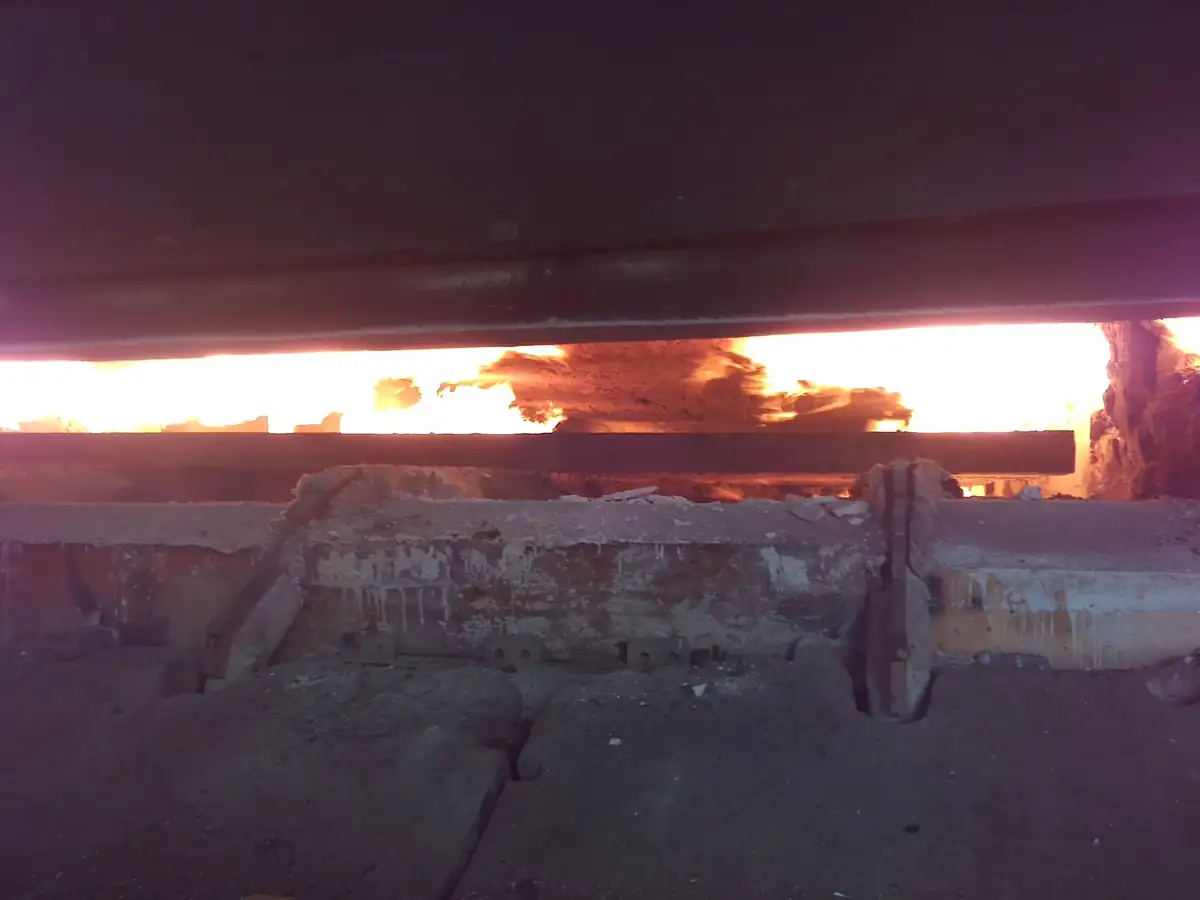
Steel rolling furnace opening and refractory-lined interior before coating work

Case Studies

Steel Rolling Furnace Refractory Coating Application

Steel RollingRolling-furnace refractory interior

Equipment background

This record concerns preparation and spray coating on the refractory interior of a steel rolling furnace. The supported work scope is the lining surface; it does not establish that rollers or radiant tubes were treated.

Industry
Steel Rolling
Equipment
Rolling-furnace refractory interior
Substrate
Refractory lining

How the problem develops

Environmental exposure

The documented setting is a refractory-lined furnace used in steel rolling. A furnace-service context is supported, but the available evidence does not establish a publishable operating temperature for the pictured work.

Operating conditions

The work record covers access to the furnace interior, protection of non-work surfaces and preparation of the refractory lining before spraying. It does not provide a reliable commissioning date, service-duration record or measured efficiency baseline.

Observed condition and failure signs

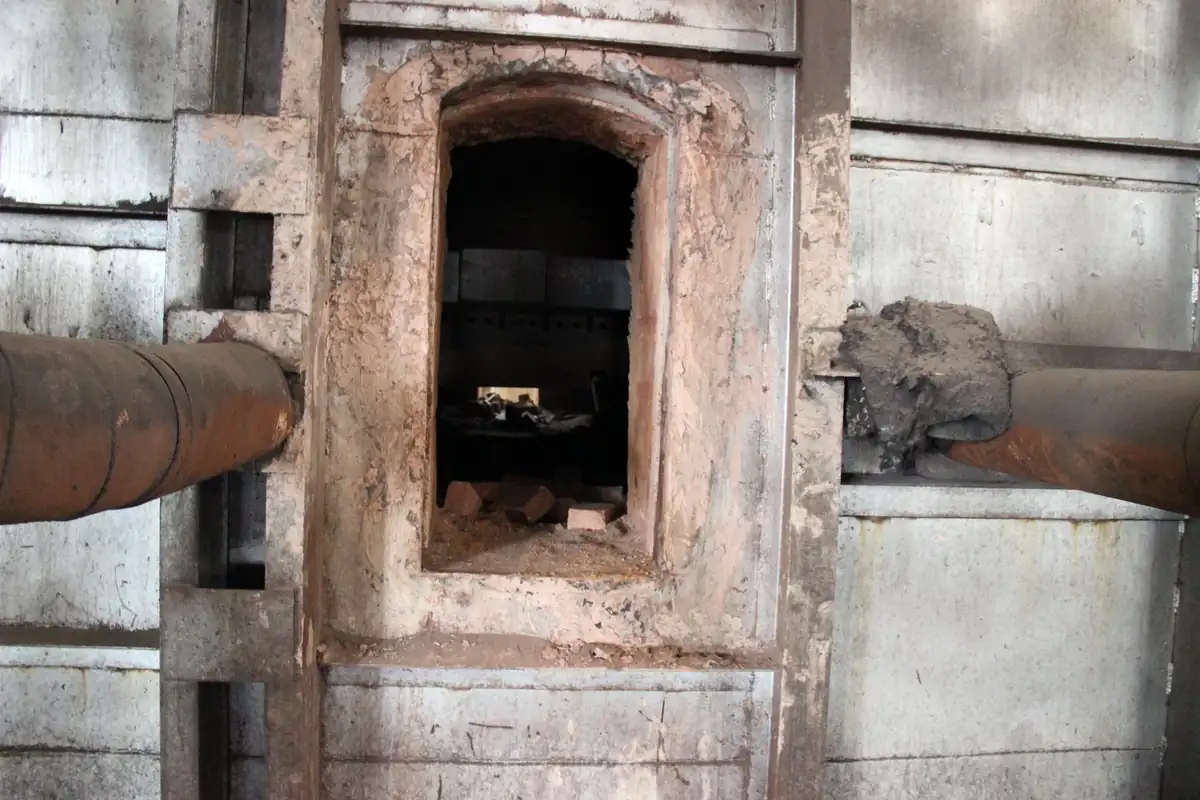
The photographs support visible deposits and damaged or irregular refractory surfaces. They do not establish deposit chemistry, quantified wear or coating failure on treated rollers.

Problem analysis

Loose material, dust, oil and other contamination can prevent uniform contact with an irregular refractory lining. The application therefore depends on defining a sound work surface and protecting adjacent equipment that is outside the coating scope.

Problem to address

Deposits and an irregular or deteriorated refractory surface are visible in the source photographs. Their composition and formation mechanism were not analytically verified, so the page does not treat the deposits as a measured anti-coking or wear result.

Protection objectives

Create a clean, sound refractory surface and controlled spray coverage across the documented furnace-lining work area. The objective is stated without inferring an efficiency or durability outcome.

Solution approach

System selection rationale

The historical record describes a primer stage followed by ceramic/infrared coating stages. It does not establish equivalence to DY-25, DY-26 or any other current DAYU-X product; current selection requires a separate condition and compatibility review.

Surface preparation

Protect surfaces outside the work scope, then remove loose refractory material, oil, dust and other contamination from the lining. Confirm that the remaining refractory surface is sound enough for the approved application procedure.

Application workflow

Isolate and protect non-work equipment, prepare the refractory lining, complete the documented primer stage, apply the ceramic/infrared stages by spray, and inspect visible continuity across the treated lining. No unreliable project date or measured outcome is added.

Curing and return-to-service control

Keep the treated refractory surface protected from contamination and mechanical damage while it cures under the approved system instructions. No return-to-service result or operating-life evidence is inferred.

DY-25 and DY-26 are technically relevant to current furnace-lining review; neither is identified as the product used in this historical application. Selection depends on confirmed project conditions and compatibility.

Application and quality control

Inspection should verify removal of unstable material, cleanliness of the refractory surface, protection of non-work areas and continuous spray coverage across irregular lining details. Design information in the historical report is not presented as a current product specification or signed as-built result.

Inspection and maintenance

Later furnace inspections should record changes at the same lining areas, including deposits, cracking, spalling or local coating discontinuity. No anti-coking performance, energy saving, wear improvement or service-life extension is claimed.

Site-condition images

The photographs show the furnace interior before work and during refractory coating application. They do not verify roller treatment, a current DY-* model or an operational performance result.

Frequently asked questions

Which furnace surfaces are supported by the evidence?

The supported scope is the rolling-furnace refractory interior. Treatment of rollers and radiant tubes is not established.

Does the visible deposit prove a specific coking mechanism?

No. Deposits are visible, but their composition and formation mechanism were not analytically verified.

Were DY-25 or DY-26 used in this application?

That is not verified. They are shown only as current products that may be technically relevant to review after confirming project conditions.

Does the case document energy savings or longer furnace life?

No. The available evidence supports preparation and application stages, not a quantified operating-performance result.

DAYU-X

Have a project with similar operating conditions?

Share the equipment, exposure and current damage so we can compare the relevant application direction.

Contact technical team