
Storage Tank Corrosion, Thermal Control and Maintenance

Technical Articles

How to Investigate Storage Tank Exposure Zones

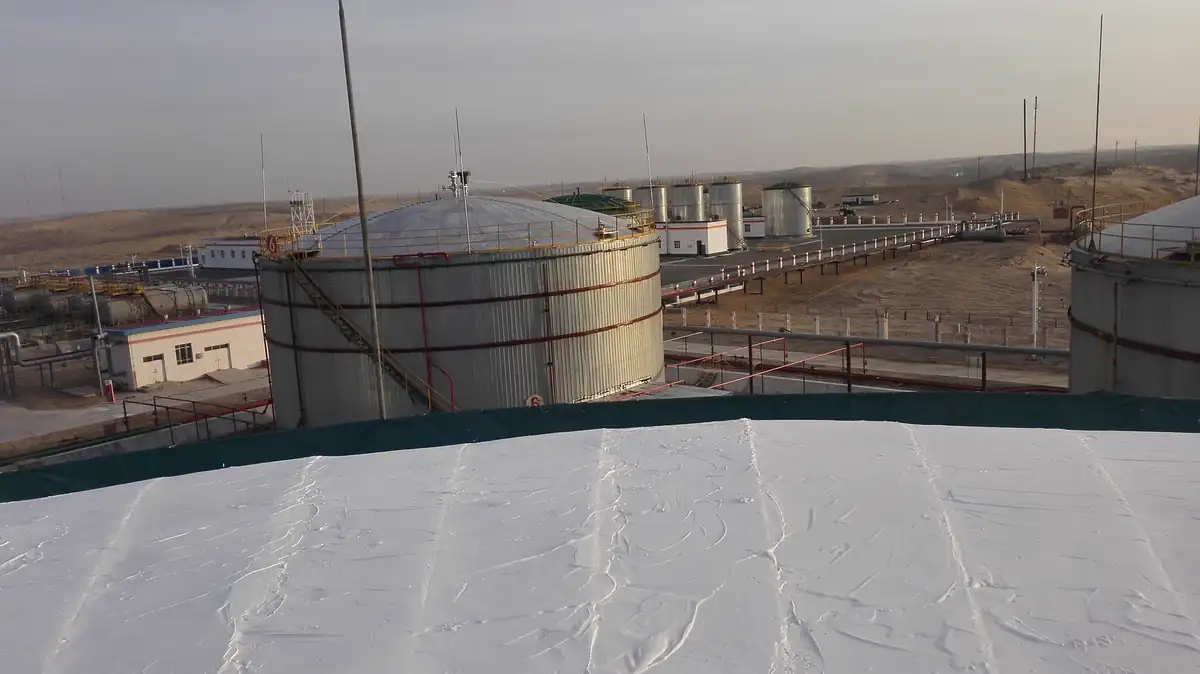
A storage tank is not one exposure surface. Its interior, shell, roof, bottom ring, welds, supports and drainage details can face different combinations of process contact, weather, solar loading and retained moisture. This article explains how to map those zones and assemble the evidence needed before a protection route is selected.

Define the tank boundary before dividing it into zones

Start with the exact asset and scope: interior, exterior, roof, shell, bottom area, connected nozzles, supports or a defined combination. Record which surfaces are accessible and which interfaces continue beyond the inspection boundary.

Use drawings, marked photographs or a consistent location grid so each observation can be traced to a physical zone. A broad label such as tank corrosion is not enough to distinguish where a condition begins or which exposure controls it.

Separate interior, shell, roof, and bottom-ring exposure

Each main tank region should be assessed on its own evidence before similarities are assumed. Conditions observed on an external roof do not establish the exposure on an immersed interior or at the shell-to-foundation interface.

Document the known contact mode, wet and dry periods, cleaning history, vapour space and visible deposits without estimating missing medium data. Mark changes in condition by elevation and around internal details.

Record weather direction, shade, solar exposure, water tracks, roof ponding and local coating condition. Distinguish broad weathering from defects concentrated at seams, attachments or repaired areas.

Inspect locations where drainage, splash, soil, supports or restricted drying can keep the steel locally wet. Structural movement or inaccessible interfaces require separate engineering or access decisions rather than a coating assumption.

Map welds, supports, low points, and drainage paths

Details often change both exposure and inspectability. Mark weld geometry, nozzles, brackets, stiffeners, legs, ladders, penetrations and low points, then trace where water can enter, collect or leave.

  • Separate a water source from the lower area where the water becomes visible.
  • Record shadowed or inaccessible faces instead of assuming their condition matches the exposed face.
  • Distinguish fabrication details from later repairs or attachments.
  • Escalate leakage, deformation or section-loss concerns outside a coating-only review.

Compare the exposure differences that change the decision

For every zone, distinguish process contact, atmospheric weather, solar load, intermittent wetting, retained water and maintenance damage. Record operating and idle conditions separately because shutdown, cleaning and open access can create exposures that are absent during normal service.

Where the medium, substrate or existing layer is uncertain, list the unknown and the evidence owner. Do not replace missing compatibility information with a general product category.

Assemble evidence before protection-system selection

A useful exposure-zone record connects location, substrate, existing condition, contact mode, moisture path, access and inspection limitations. It should also identify which structural, process or leakage issues must be resolved before protective work is considered.

  • Create an overview map and traceable detail photographs.
  • Separate observed facts from suspected mechanisms.
  • List confirmed operating information and unresolved inputs.
  • Define which zones require sampling, cleaning trials or closer access.

Hand off each zone to the correct specialist workflow

Use the completed map to choose the next review rather than selecting a system inside this investigation. Exterior atmospheric protection, existing-asset maintenance and whole-tank corrosion or thermal planning are separate decisions with their own evidence requirements.

Limits of an exposure-zone investigation

This method organizes site evidence but does not establish chemical compatibility, remaining structural capacity, product performance or service life. Those conclusions require verified project data, the applicable product documents and discipline-specific review.

Related technical pathways

Project takeaway

Need technical documents or project guidance?

Send the operating condition and the document or application question you need reviewed.

Request technical support