
Operating background
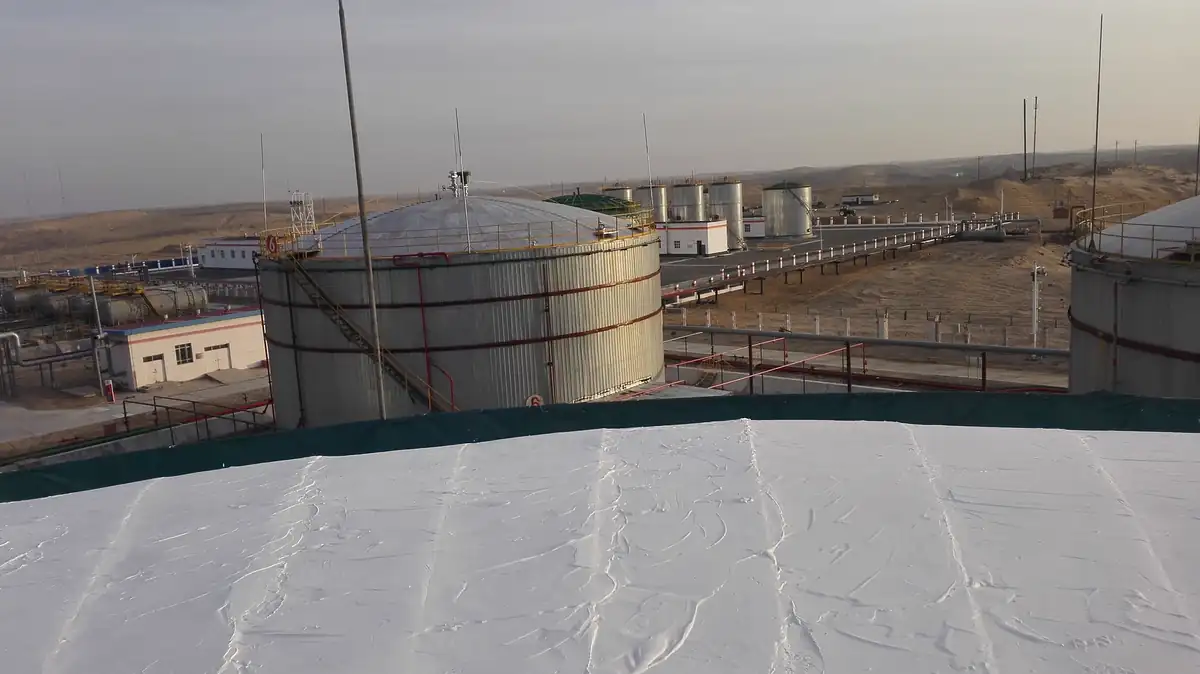
Solar-reflective protection for roofs, tanks and exposed outdoor surfaces.
Solutions
Solar-reflective protection for roofs, tanks and exposed outdoor surfaces.
Solar-reflective protection for roofs, tanks and exposed outdoor surfaces.
Dark or weathered surfaces absorb solar energy; contamination, seams and ponding reduce surface continuity.
Solar heat gain, weathering and local discontinuity at roof details
Dark or weathered surfaces absorb solar energy; contamination, seams and ponding reduce surface continuity.
Solar-reflective protection for roofs, tanks and exposed outdoor surfaces.
Record the equipment, substrate, medium, temperature pattern and access window.
Separate corrosion, wear, heat flow and application causes before selection.
Define the required protection, inspection access and maintenance outcome.
Match compatible layers to the confirmed substrate and operating exposure.
Plan preparation, application controls, curing, inspection and later repair.
Sun-exposed roofs, tank exteriors and compatible outdoor surfaces
Reflective cooling is not a substitute for process-equipment insulation
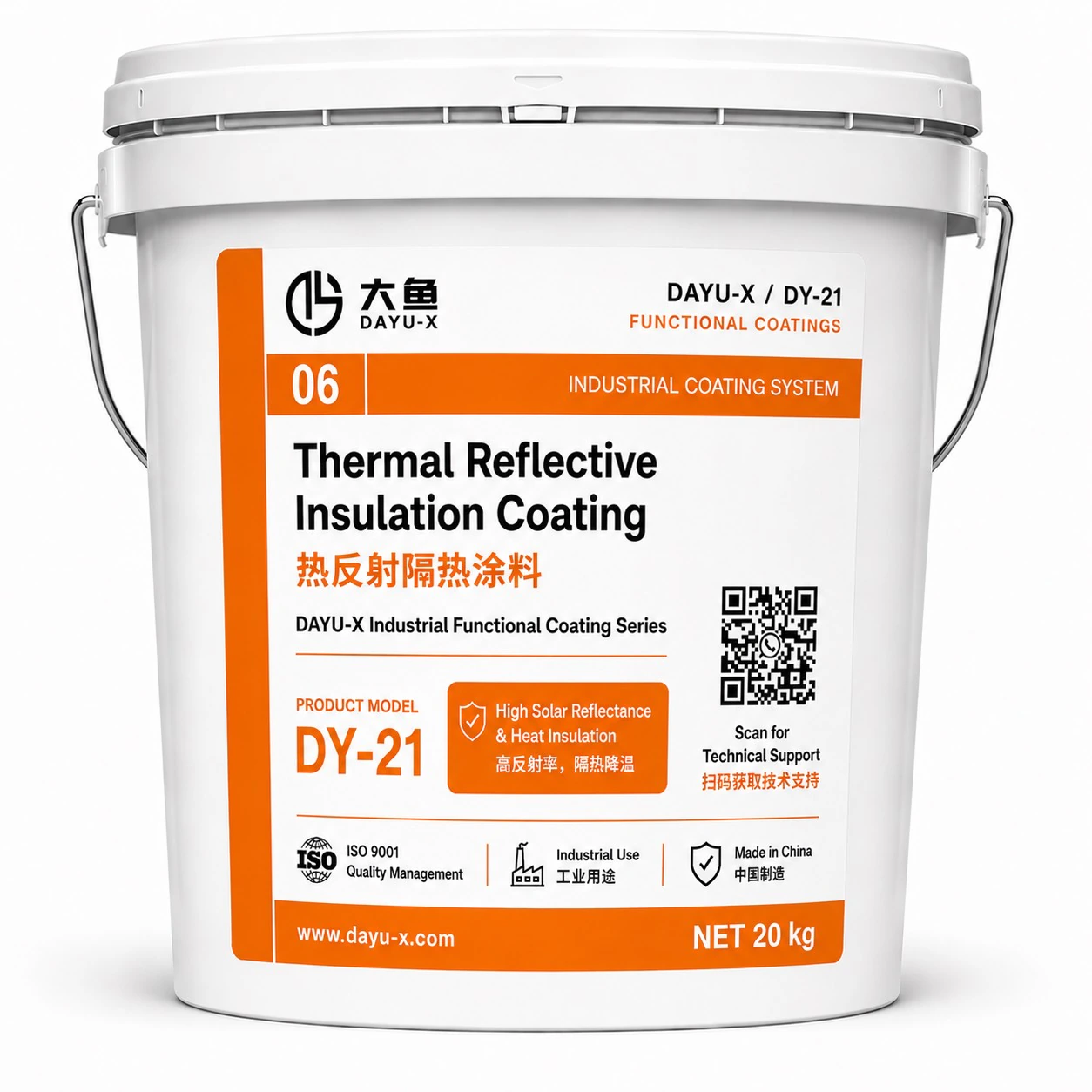
Solar-reflective systems for roofs, tanks and exposed surfaces where absorbed solar heat is the main concern.
Typical equipmentIndustrial roof · Storage tank
View product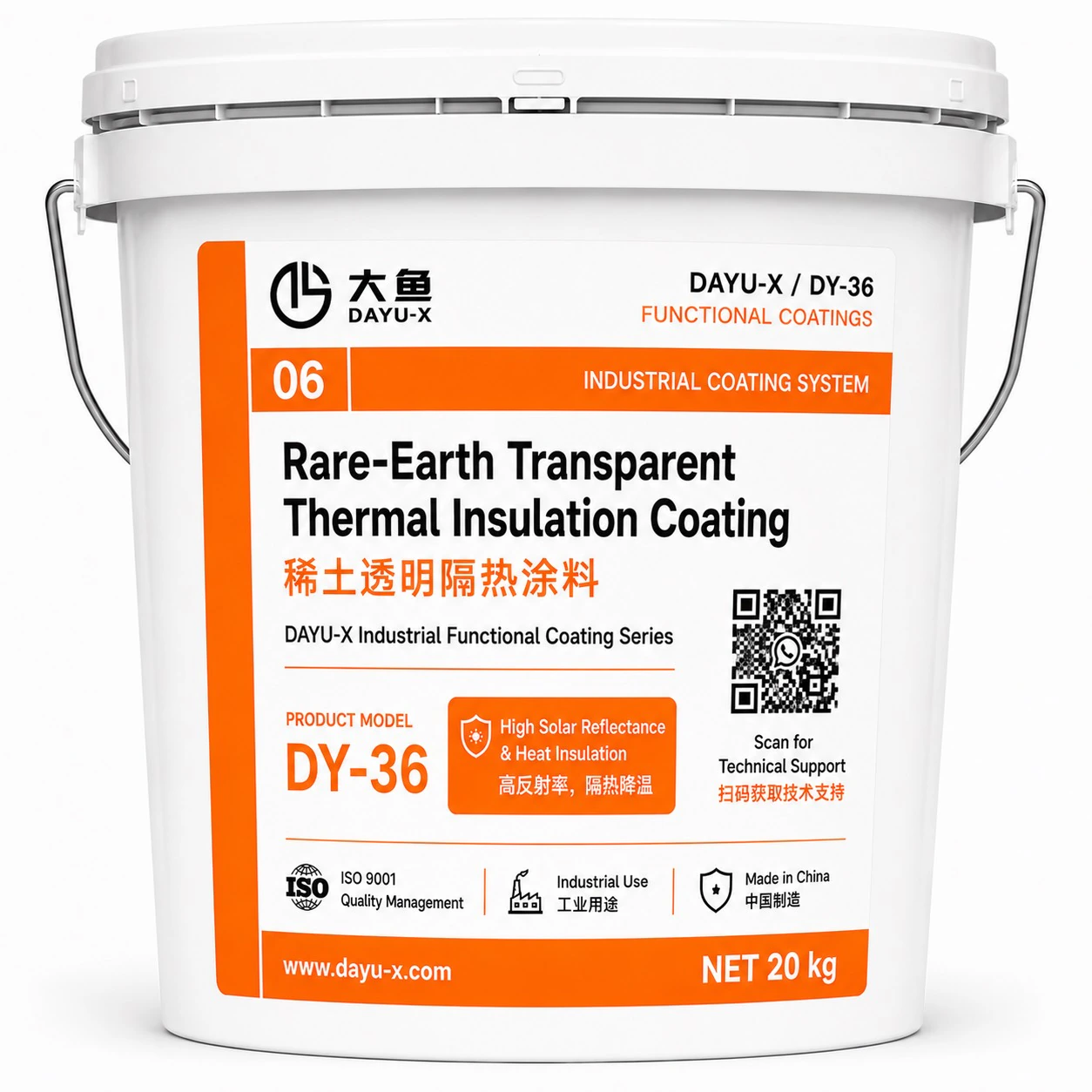
Solar-reflective systems for roofs, tanks and exposed surfaces where absorbed solar heat is the main concern.
Typical equipmentGlazing · Windows
View product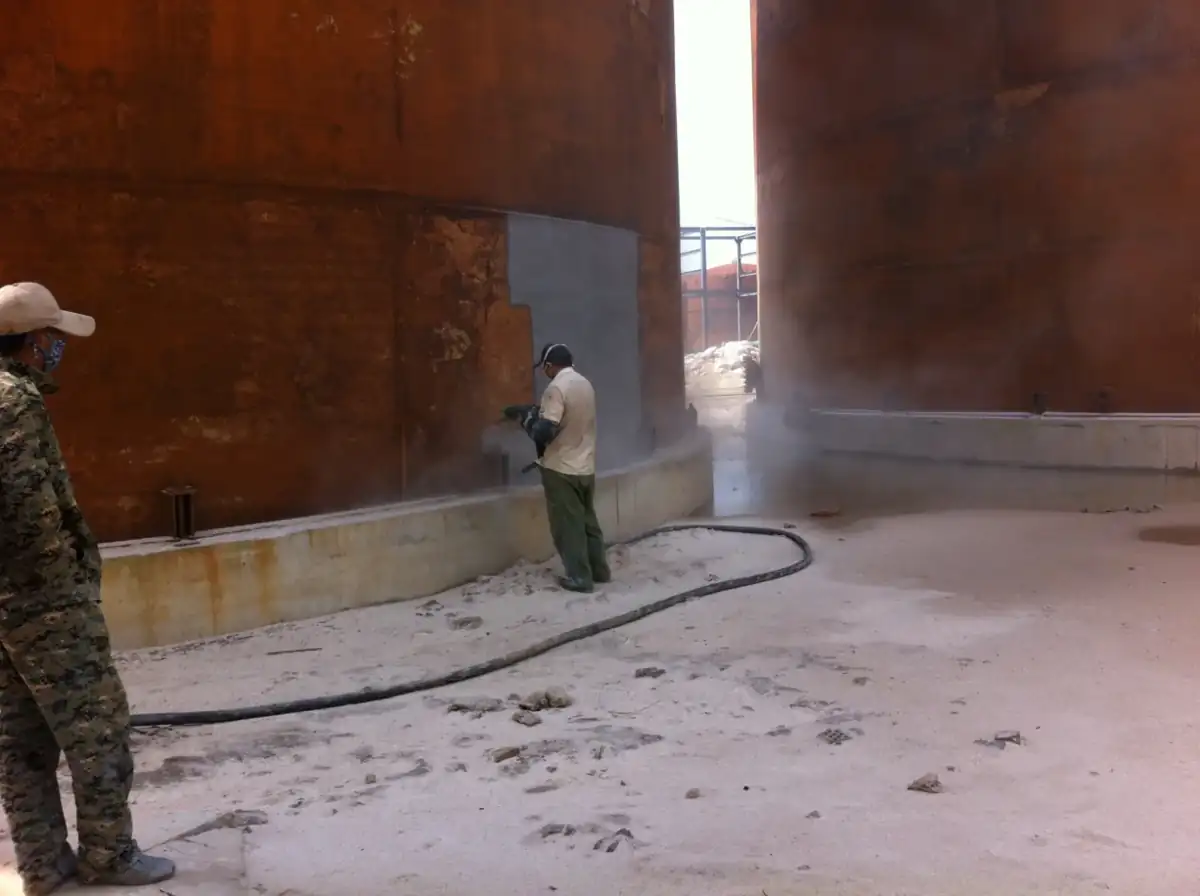
ConditionOutdoor solar exposure, industrial atmosphere and chloride-bearing coastal conditions.
DirectionBarrier protection for exposed tank surfaces
Related productDY-14 Acid & Alkali Resistant Coating
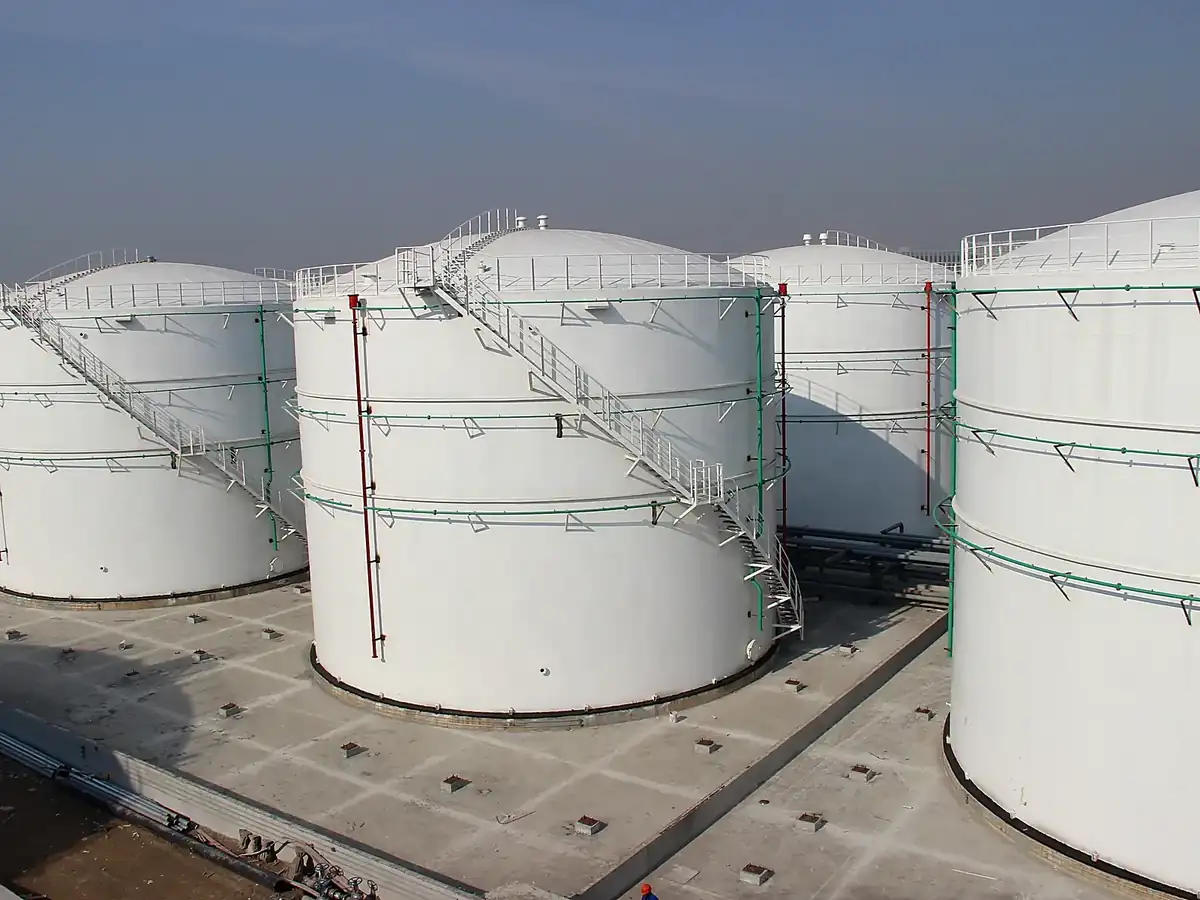
ConditionStrong solar radiation and outdoor weather exposure on roofs, tanks and building surfaces.
Direction
Related productDY-21 Water-Based Solar Reflective Coating
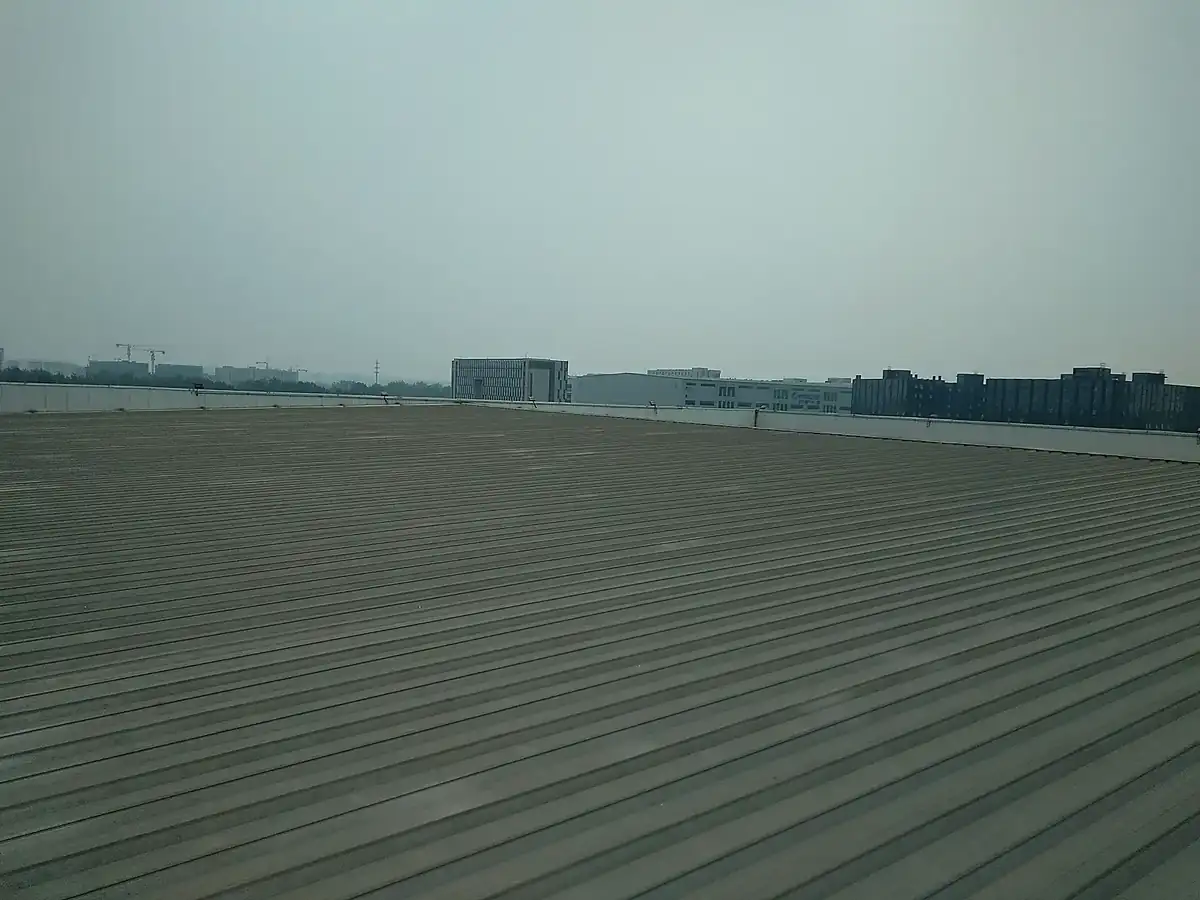
ConditionLarge exposed roof areas, joints and weathered substrates receive sustained solar radiation.
Direction
Related productDY-21 Water-Based Solar Reflective Coating
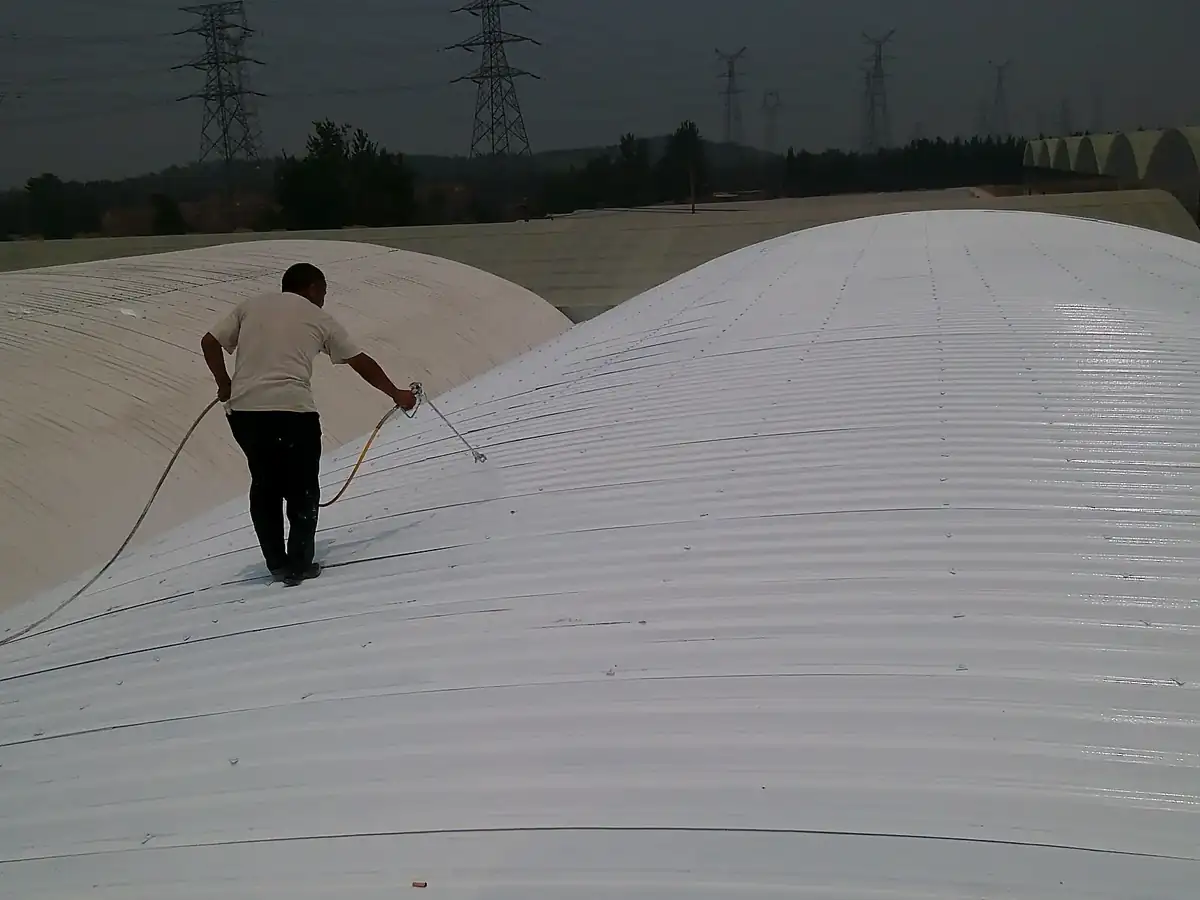
ConditionLarge exposed roof areas, joints and weathered substrates receive sustained solar radiation.
Direction
Related productDY-21 Water-Based Solar Reflective Coating
Solar-reflective protection for roofs, tanks and exposed outdoor surfaces.
Provide equipment, substrate, medium, concentration where relevant, continuous and transient temperature, operating cycle, visible damage, old coating and access window.
Only unsound or incompatible layers must be removed, but retention requires adhesion, compatibility and a representative trial-area review.
Substrate temperature, moisture, dew point, ventilation, contamination and the documented curing window must satisfy the reviewed product procedure.
Check preparation records, continuity, difficult details, documented layer controls, curing and visible defects using traceable records.
Inspect representative risk zones, correct the root cause and repair within sound boundaries using a compatible system.
DAYU-X
Describe the equipment, medium, operating temperature and failure signs so the protection direction can be assessed.