
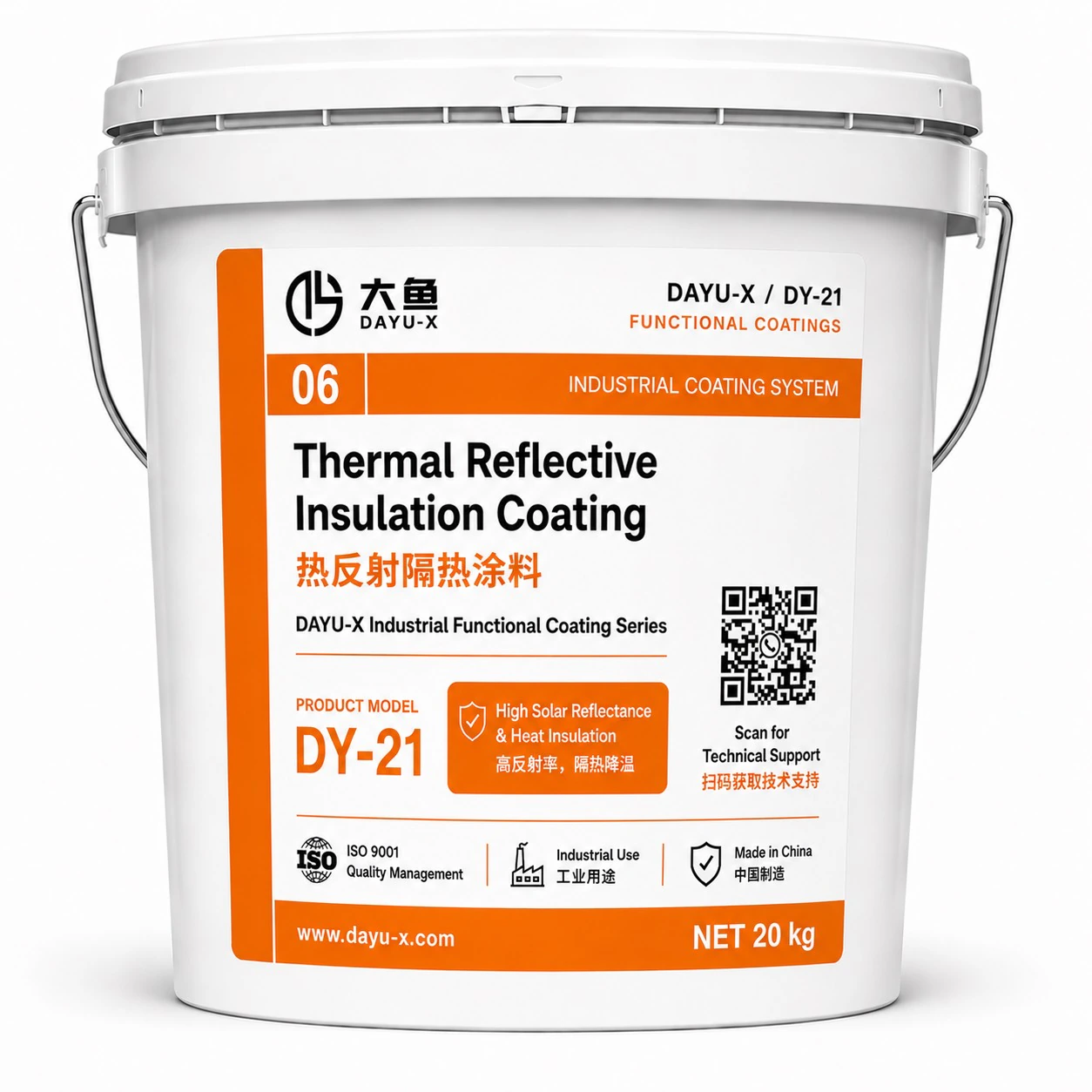
Water-Based Solar Reflective Coating
Solar-reflective systems for roofs, tanks and exposed surfaces where absorbed solar heat is the main concern.
Typical equipmentIndustrial roof · Storage tank · Steel structure
View product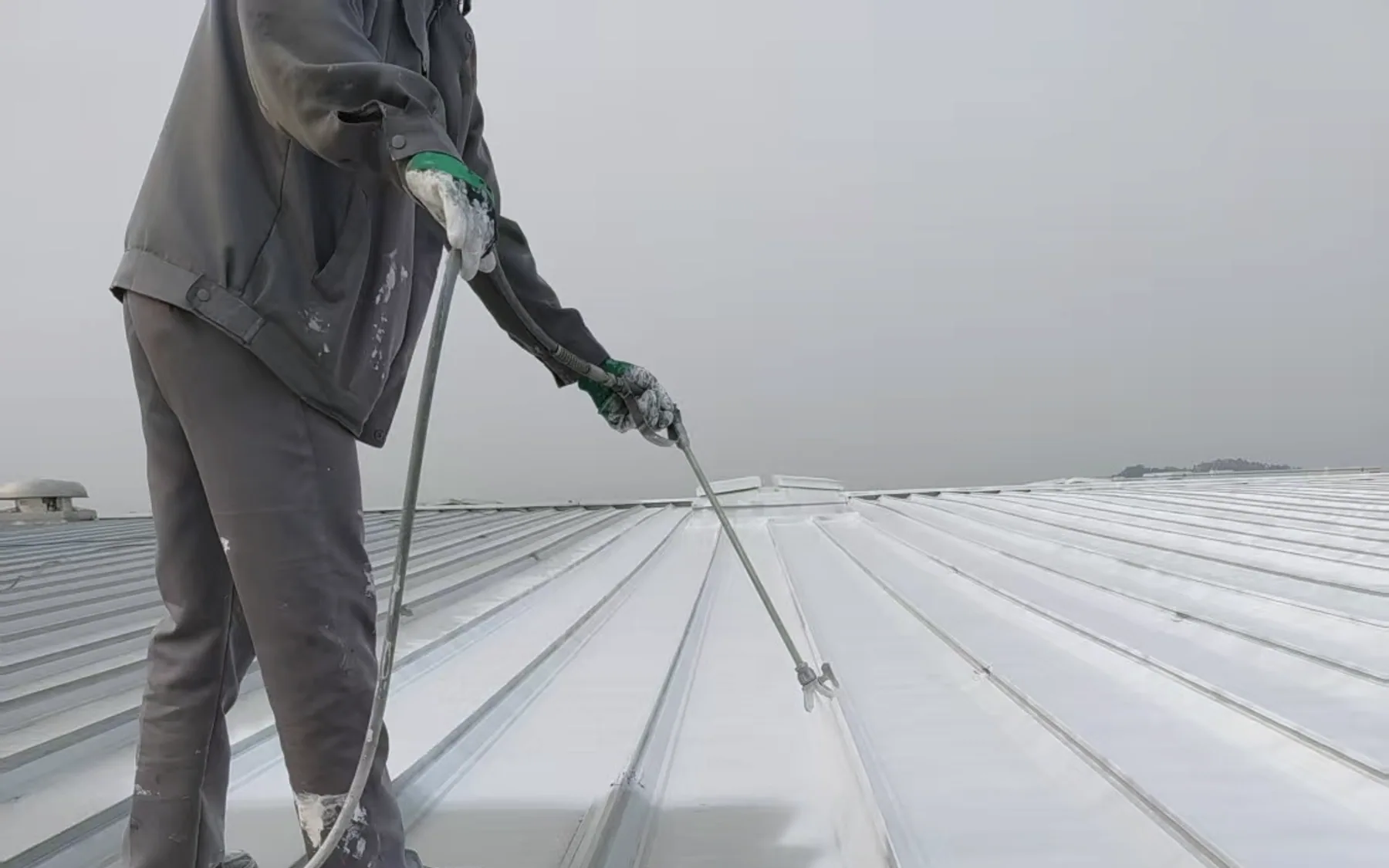
Products
Compare reflective and transparent heat-control systems for roofs, tanks, glazing and other exposed industrial or building surfaces.
Solar-reflective systems for roofs, tanks and exposed surfaces where absorbed solar heat is the main concern.
Typical equipmentIndustrial roof · Storage tank · Steel structure
View product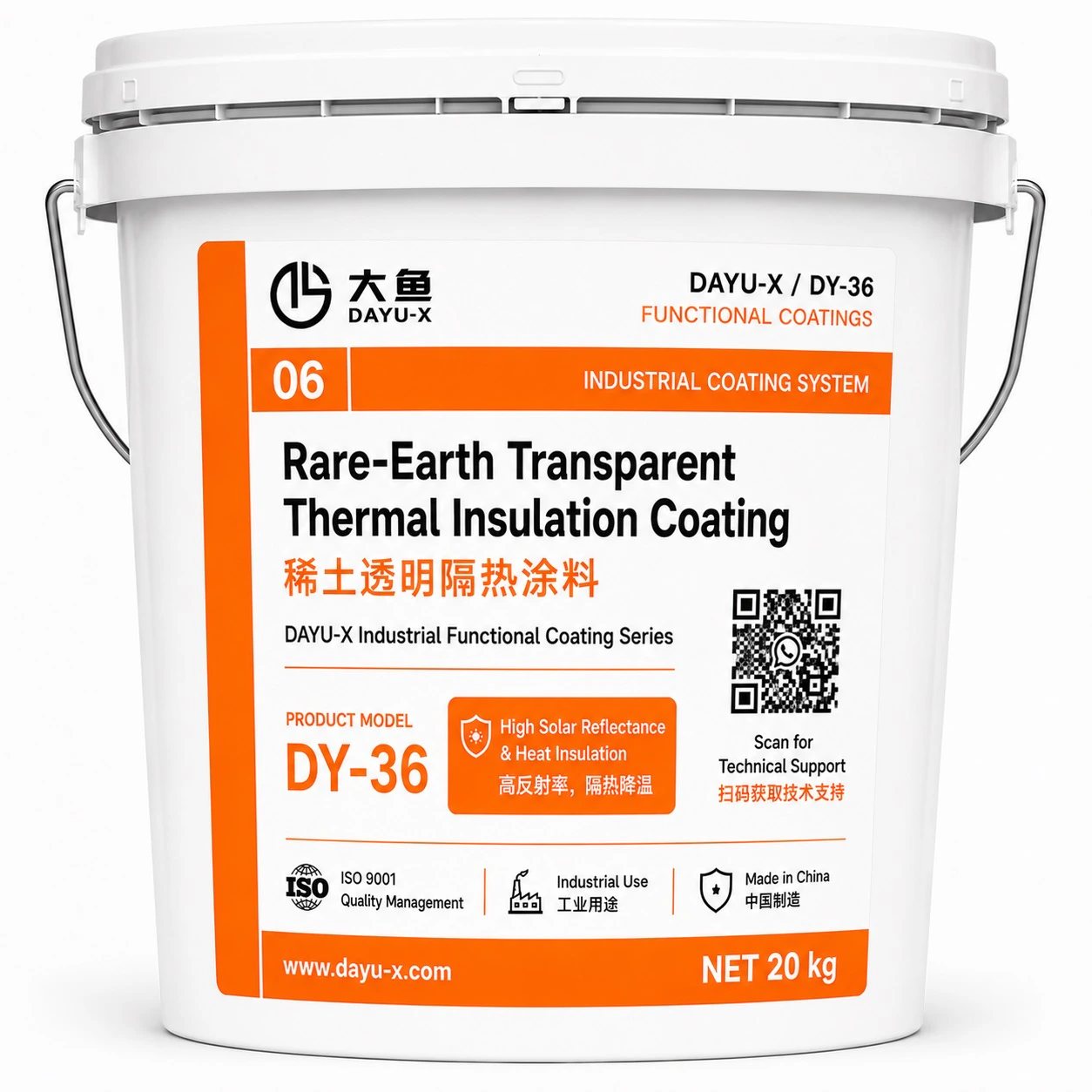
Solar-reflective systems for roofs, tanks and exposed surfaces where absorbed solar heat is the main concern.
Typical equipmentGlazing · Windows · Transparent building envelope
View productNo product matches this combination. Clear the filters and review the operating condition with our technical team.
Solar and heat-control coating selection depends on the exposed surface, existing coating, colour, drainage, weathering, transparency needs and the intended heat-control direction. DY-21 and DY-36 retain their individual product intents.
Confirm the actual substrate, exposure and operating cycle before selecting an individual product.
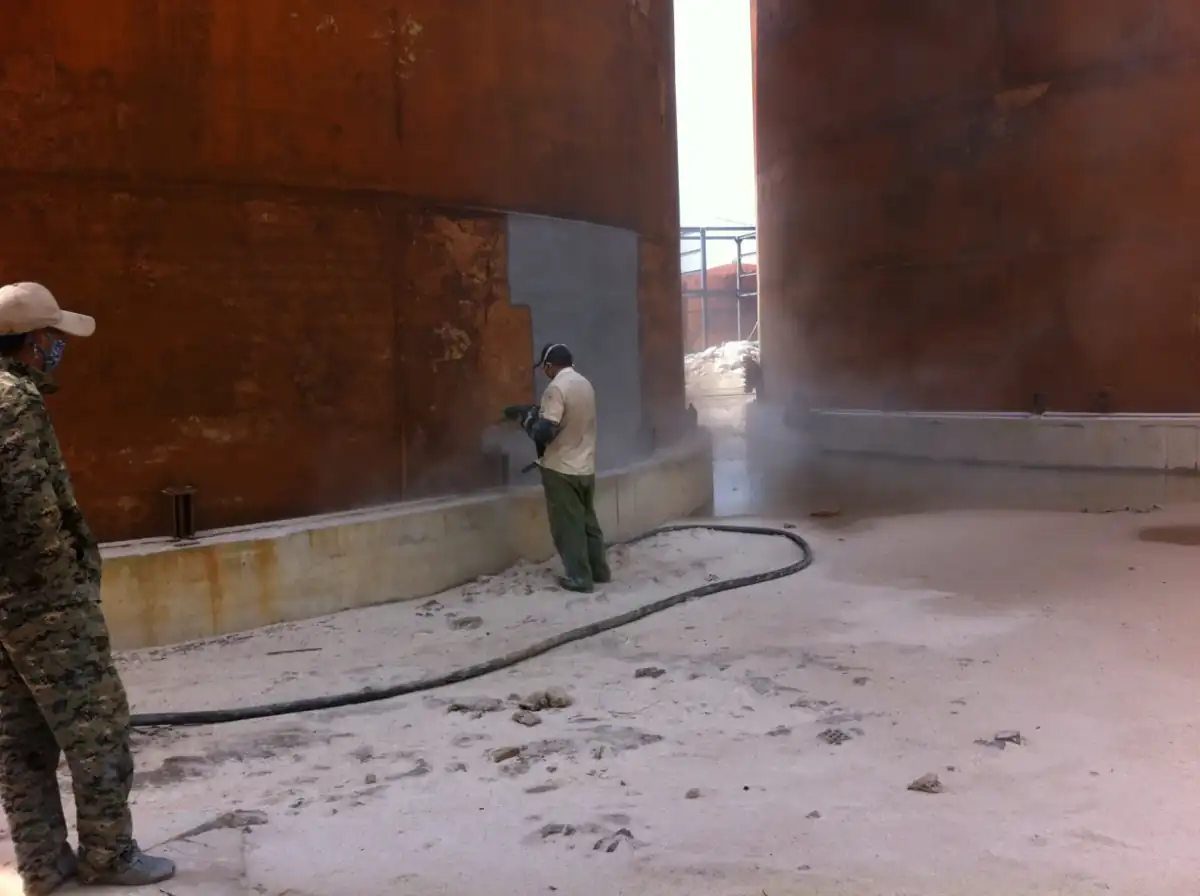
ConditionOutdoor solar exposure, industrial atmosphere and chloride-bearing coastal conditions.
DirectionBarrier protection for exposed tank surfaces
Related productDY-14 Acid & Alkali Resistant Coating
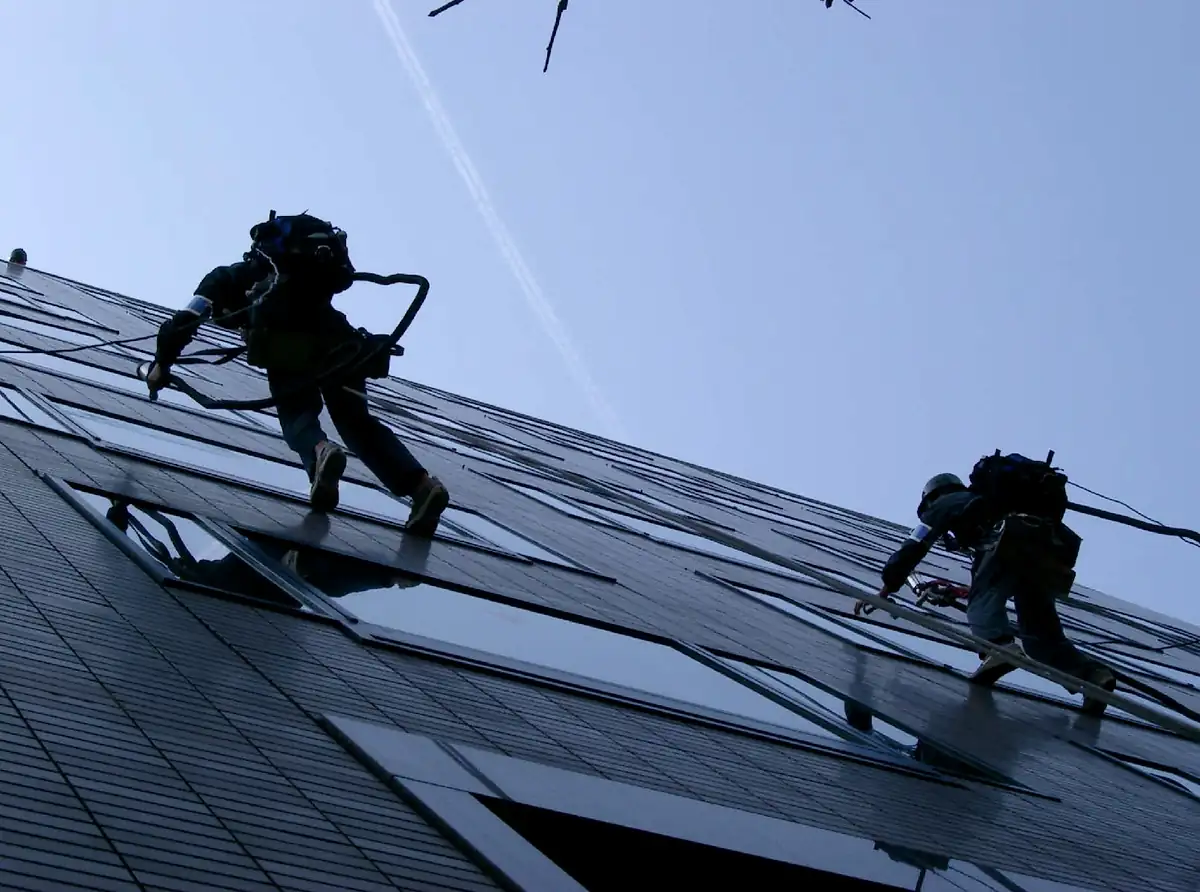
ConditionStrong solar radiation and outdoor weather exposure on roofs, tanks and building surfaces.
Direction
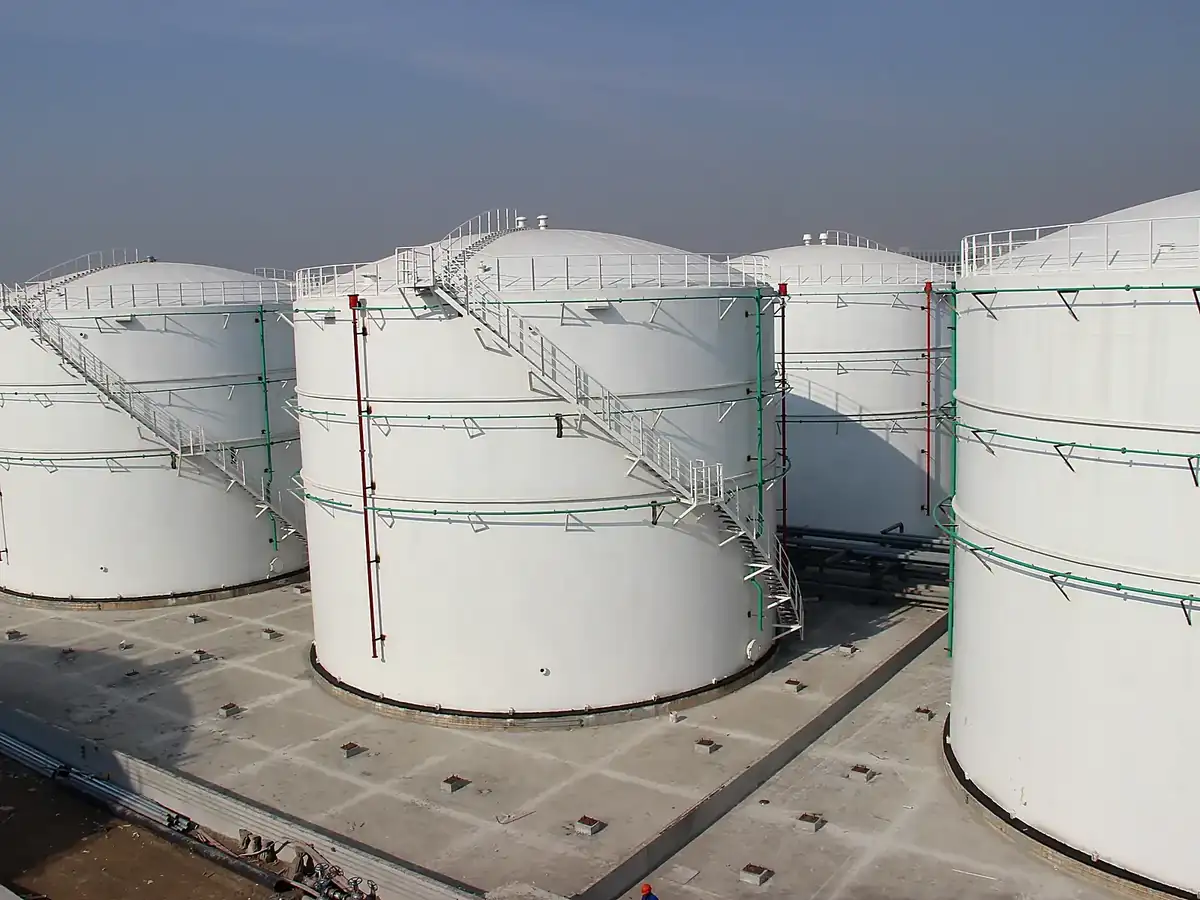
ConditionStrong solar radiation and outdoor weather exposure on roofs, tanks and building surfaces.
Direction
Related productDY-21 Water-Based Solar Reflective Coating
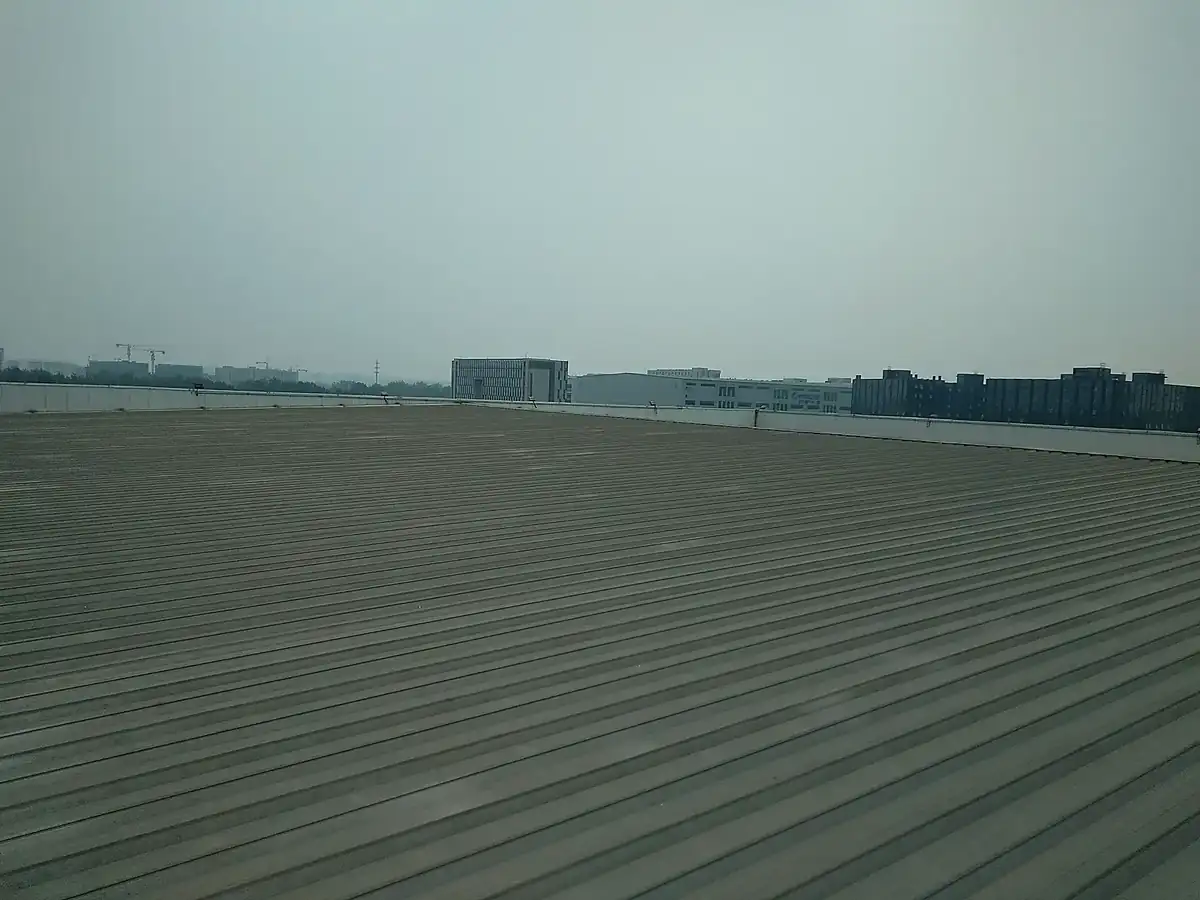
ConditionLarge exposed roof areas, joints and weathered substrates receive sustained solar radiation.
Direction
Related productDY-21 Water-Based Solar Reflective Coating
Solar-reflective systems reduce absorbed solar energy; insulation systems reduce heat transfer from a hot process or space.
Application guideSolar-Reflective Roof Application GuideInspect corrosion, retained coating, joints, fasteners, drains and leak-prone details before preparation, then form the reflective finish in continuous, traceable work zones.
Solar-reflective systems reduce absorbed solar energy at exposed surfaces, while thermal insulation controls heat flow through an assembly. The operating problem determines which approach is relevant.
Check substrate, existing coating, corrosion, leakage, drainage, seams, ponding, contamination, solar exposure and the method used for any before-and-after comparison.
Compatibility, appearance, substrate and installation conditions must be reviewed for the specific glazing assembly before selection.
DAYU-X
Share the equipment, substrate, medium, temperature and current problem for a focused technical review.