
Industry operating characteristics
Large exposed metal surfaces coexist with enclosed storage, dust, conveying equipment and seasonal outdoor conditions.
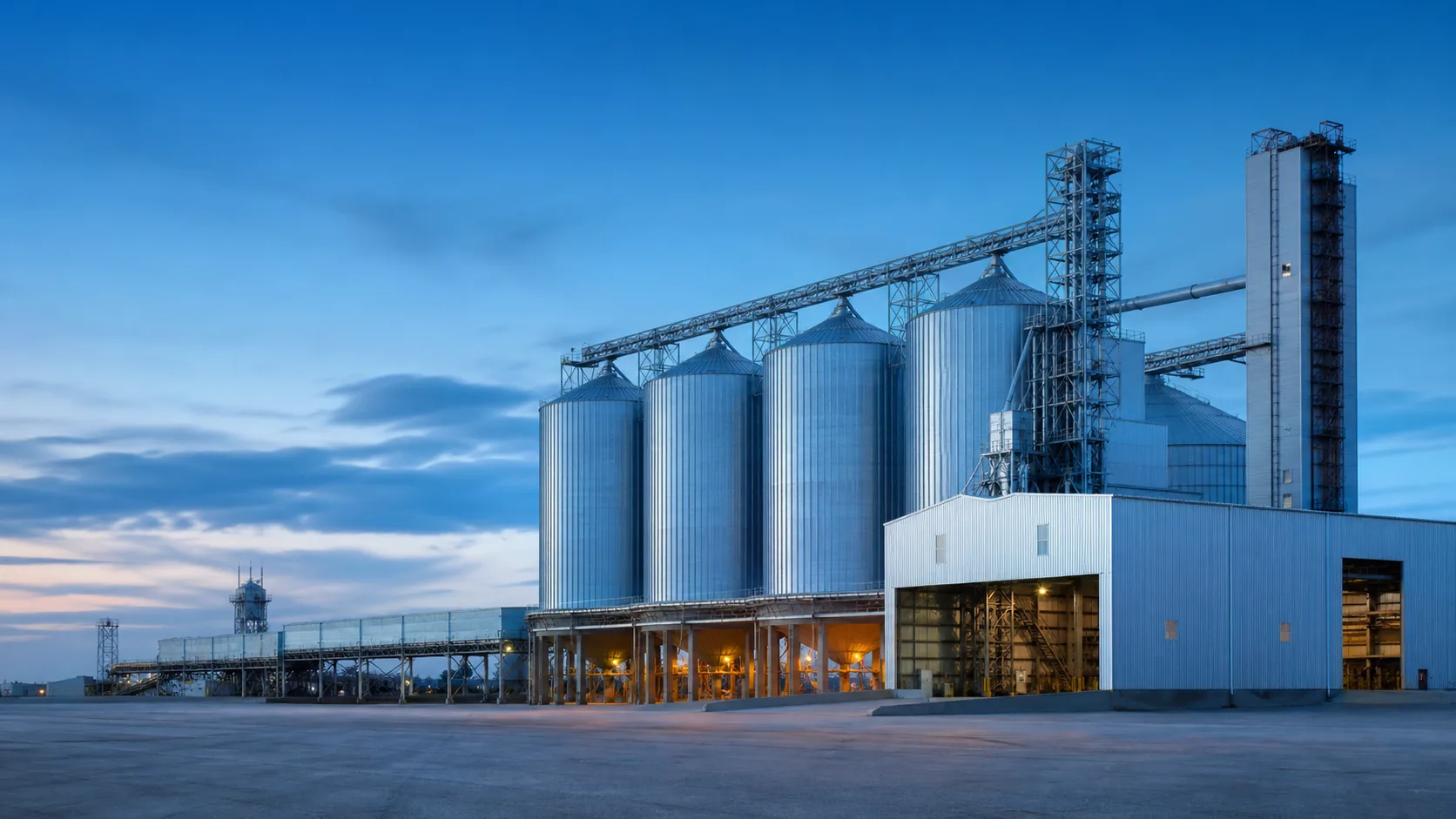
Industry applications
Solar, weather and material-flow protection for silos, roofs, elevators and enclosed storage assets.
Large exposed metal surfaces coexist with enclosed storage, dust, conveying equipment and seasonal outdoor conditions.
Receiving, conveying, elevating, silo storage, ventilation and dispatch create separate roof, wall and material-contact zones.
Solar and ultraviolet exposure
Dusty enclosed spaces
Condensation and outdoor weather
Seasonal loading cycles
Continuous conveying during handling
Large-area roof and silo access
Solar absorption heats roofs and silos, while dust, condensation and repeated grain movement affect seams, elevators and transfer points.
Typical equipmentSilo · industrial roof · outdoor enclosure
Exposed surfaces absorb solar energy while ultraviolet light, water and dirt degrade continuity.
High surface temperature and weathering can increase cooling demand and maintenance needs.
View solutionTypical equipmentWarehouse wall · roof assembly
Walls, joints, cracks, moisture and thermal bridges create uneven heat transfer.
Indoor heat gain, condensation and local deterioration can reduce envelope performance.
View solutionTypical equipmentBucket elevator · chute · transfer point
Particle size, speed, impact angle and concentrated flow remove material unevenly.
Thinning, grooves and local perforation can disturb flow and shorten service intervals.
View solutionTypical equipmentSilo seam · steel support · ventilation detail
Moisture collects at cold spots, welds, supports and poorly drained details.
Blistering, pitting and hidden corrosion can spread beyond the visible defect.
View solution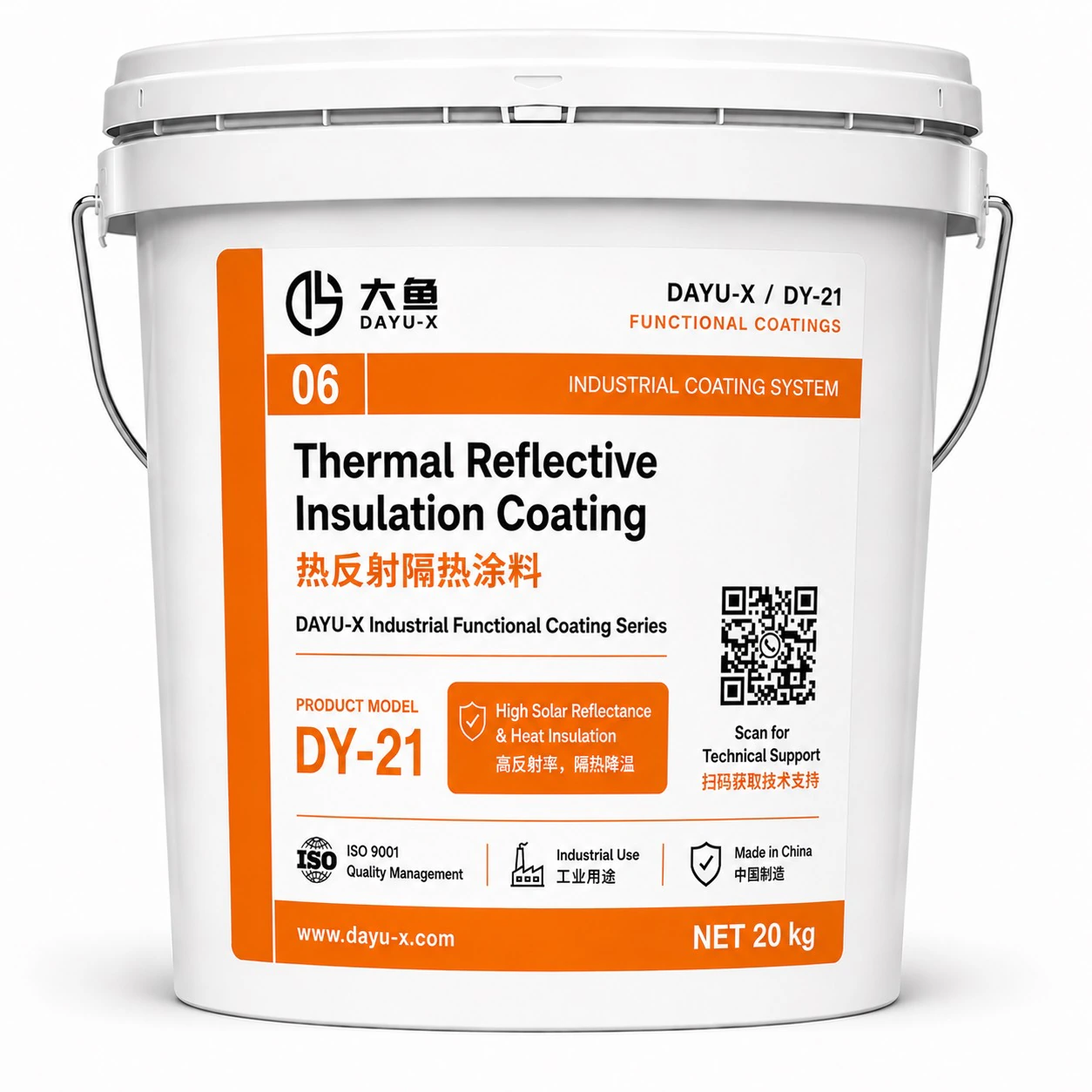
Solar-reflective systems for roofs, tanks and exposed surfaces where absorbed solar heat is the main concern.
Typical equipmentIndustrial roof · Storage tank
View product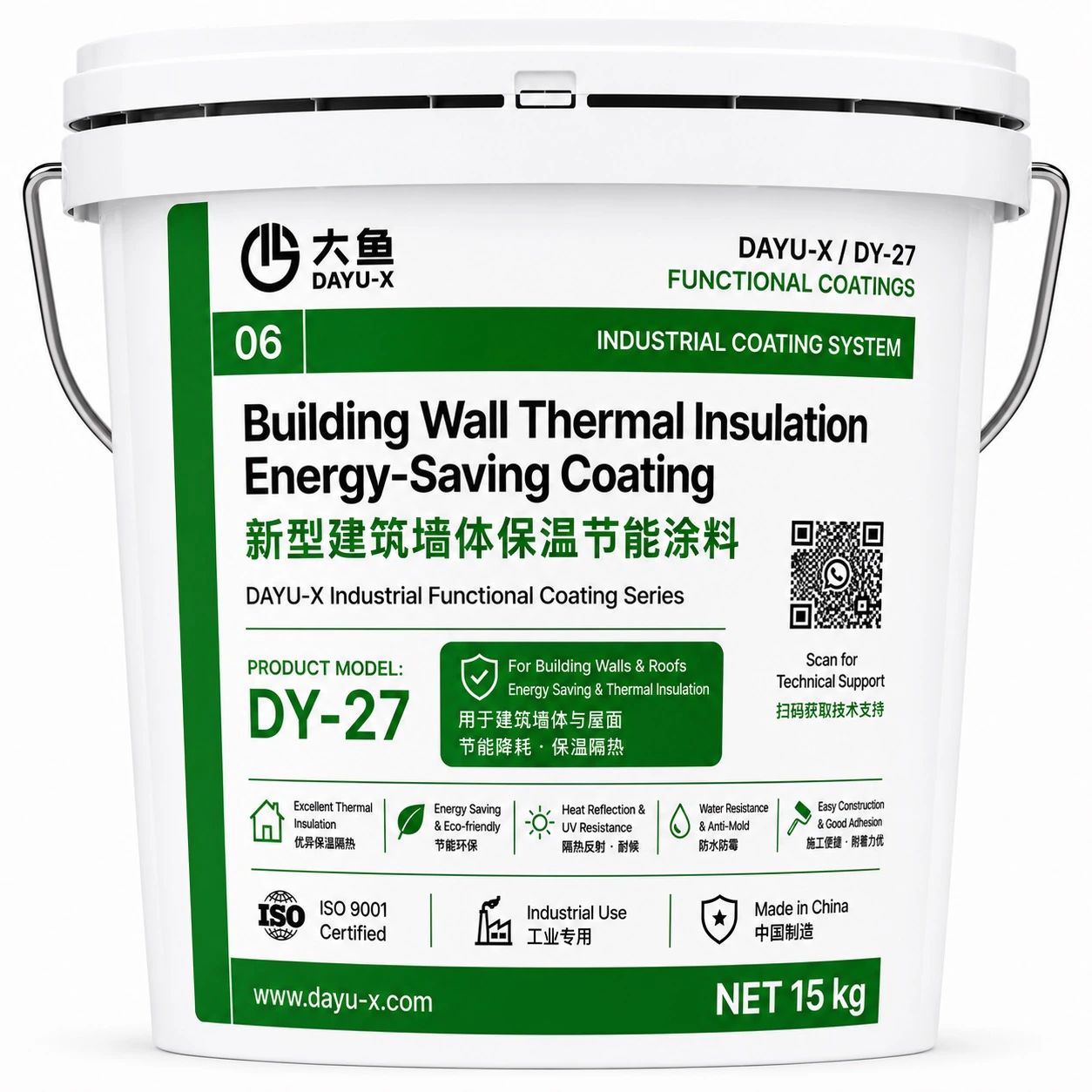
Thermal-management materials for equipment, pipework and building assemblies where heat-transfer control is required.
Typical equipmentBuilding wall · Industrial building envelope
View productProvide the equipment location, substrate, medium, operating state, visible solar heat gain and weathering signs, access and maintenance constraints. The review must begin with the actual service condition.
Prioritise assets such as Silo · Industrial roof · Building wall · Steel structure where exposure is concentrated, coating condition is changing or access is only available during shutdown.
Only after adhesion, contamination, moisture, defects and compatibility are assessed. Loose or chemically affected layers around solar heat gain and weathering zones must not be buried.
Map where each mechanism dominates, especially around solar heat gain and weathering areas, then define preparation and a compatible layered system for each zone.
Use traceable preparation records, environmental checks, coverage and defect inspection, confirmed hold points and the protection objective: separate solar, envelope and wear zones.
Record repeatable inspection locations on Silo · Industrial roof · Building wall · Steel structure, changes at welds, edges and repairs, and correct local damage before it spreads beneath the surrounding system.
DAYU-X
Tell us the equipment, process environment and current problem. We will help organize the next technical review.