
Operating background
Corrosion protection planning for tanks, pipework, heat exchangers and associated steelwork.
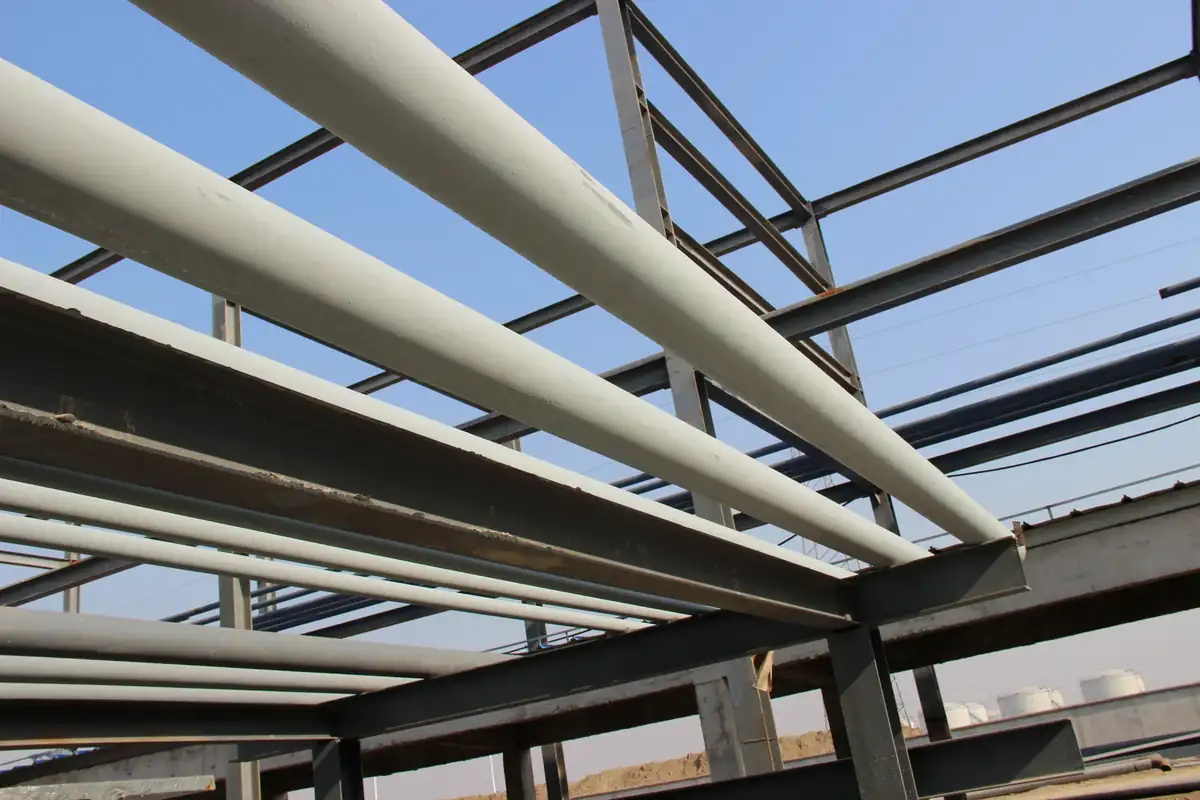
Solutions
Review the exposure medium, temperature, existing coating, welds, supports, drainage and access before planning repairs or recoating.
Corrosion protection planning for tanks, pipework, heat exchangers and associated steelwork.
Moisture and chemicals concentrate at welds, supports, insulation interfaces and drainage details, where defects spread beneath old coatings.
Permeation, blistering, pitting and loss of adhesion
Moisture and chemicals concentrate at welds, supports, insulation interfaces and drainage details, where defects spread beneath old coatings.
Corrosion protection planning for tanks, pipework, heat exchangers and associated steelwork.
Record the equipment, substrate, medium, temperature pattern and access window.
Separate corrosion, wear, heat flow and application causes before selection.
Define the required protection, inspection access and maintenance outcome.
Match compatible layers to the confirmed substrate and operating exposure.
Plan preparation, application controls, curing, inspection and later repair.
Compatible substrates after the chemical medium and exposure mode are confirmed
No chemical-resistance claim is made without medium, concentration and temperature review
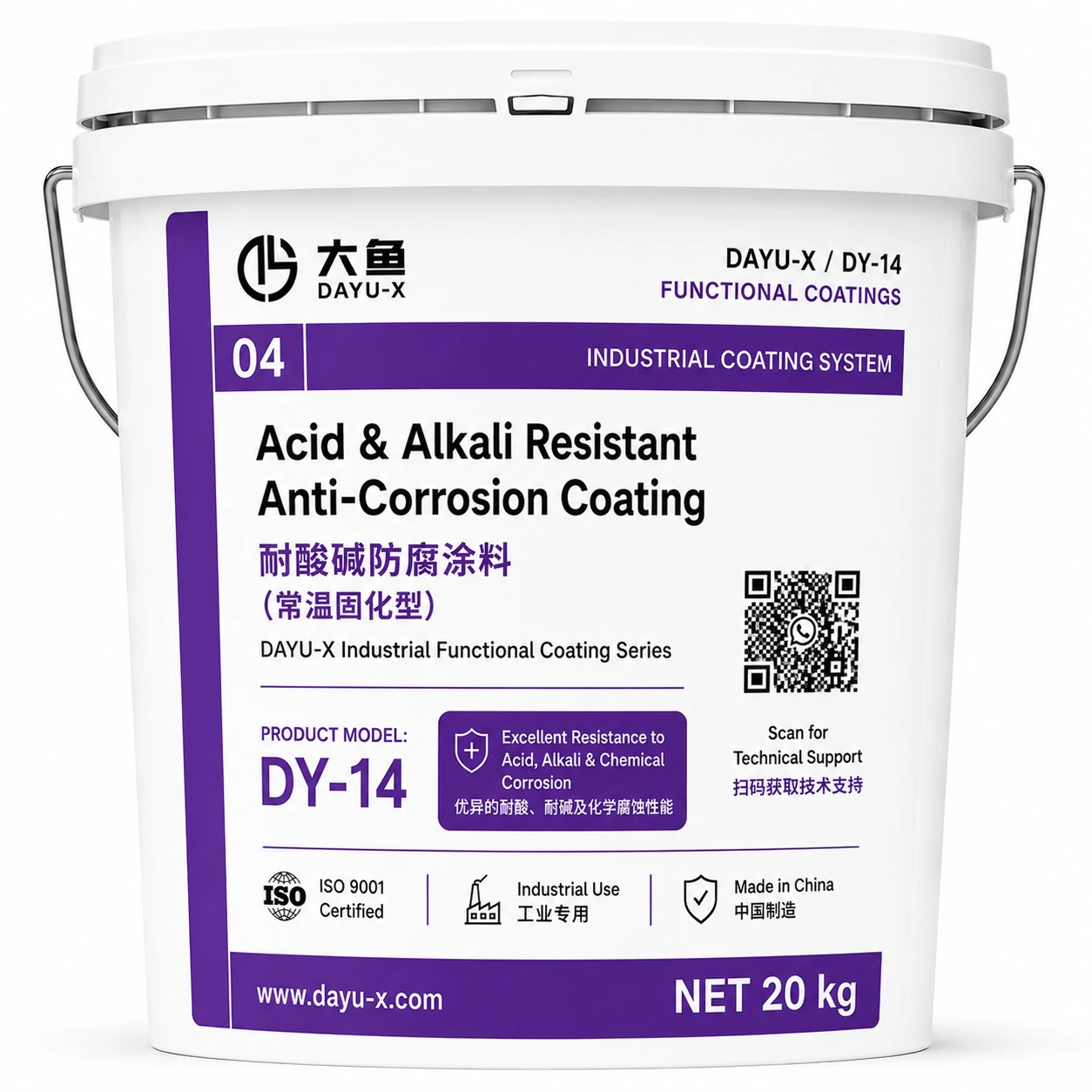
Barrier protection for compatible substrates exposed to identified acids, alkalis, salts or process chemicals.
Typical equipmentStorage tank · Pipeline
View product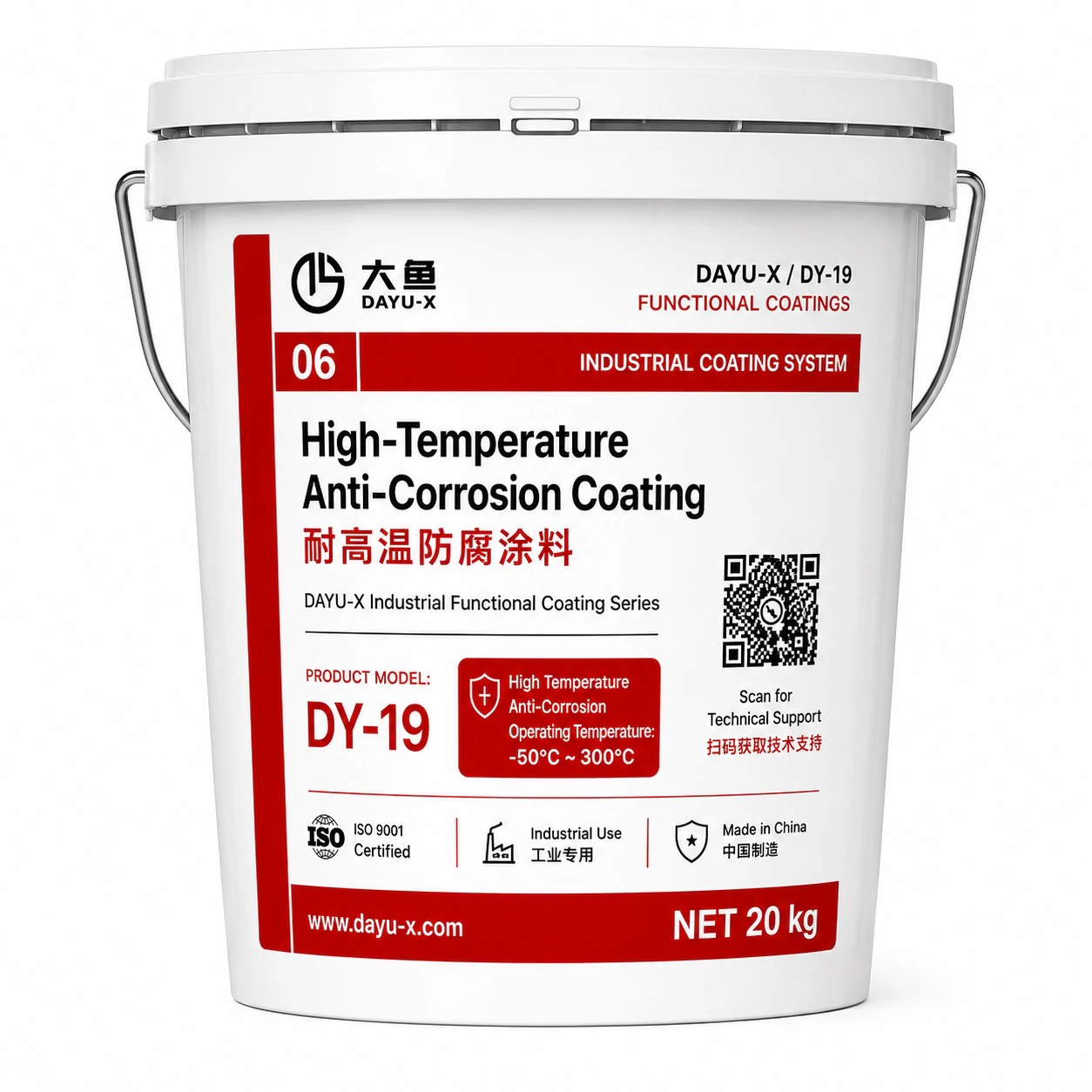
Protective systems selected for the actual temperature, thermal cycle, substrate and corrosive exposure.
Typical equipmentIndustrial kiln · High-temperature pipeline
View productConfirm medium, temperature, internal or external exposure, substrate, old coating, welds, supports, insulation interfaces, drainage and maintenance access.
No. Determine the defect boundary and cause, remove unsound material and confirm compatibility before applying a repair system.
Geometry, retained moisture, stress, contamination and limited access can concentrate corrosion and make uniform preparation or coverage more difficult.
DAYU-X
Describe the equipment, medium, operating temperature and failure signs so the protection direction can be assessed.