
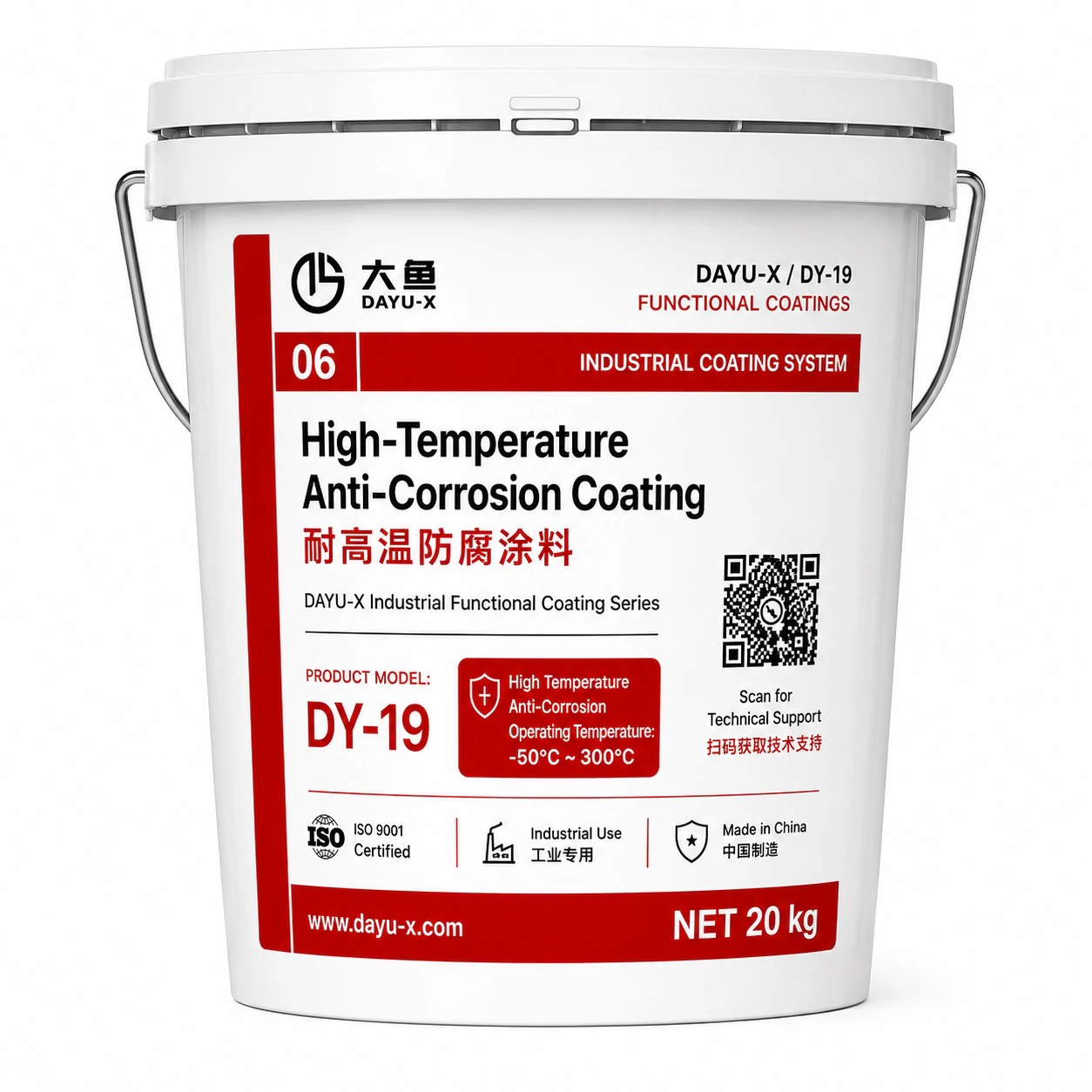
High-Temperature Anti-Corrosion Coating
Protective systems selected for the actual temperature, thermal cycle, substrate and corrosive exposure.
Typical equipmentIndustrial kiln · High-temperature pipeline · Furnace shell
View product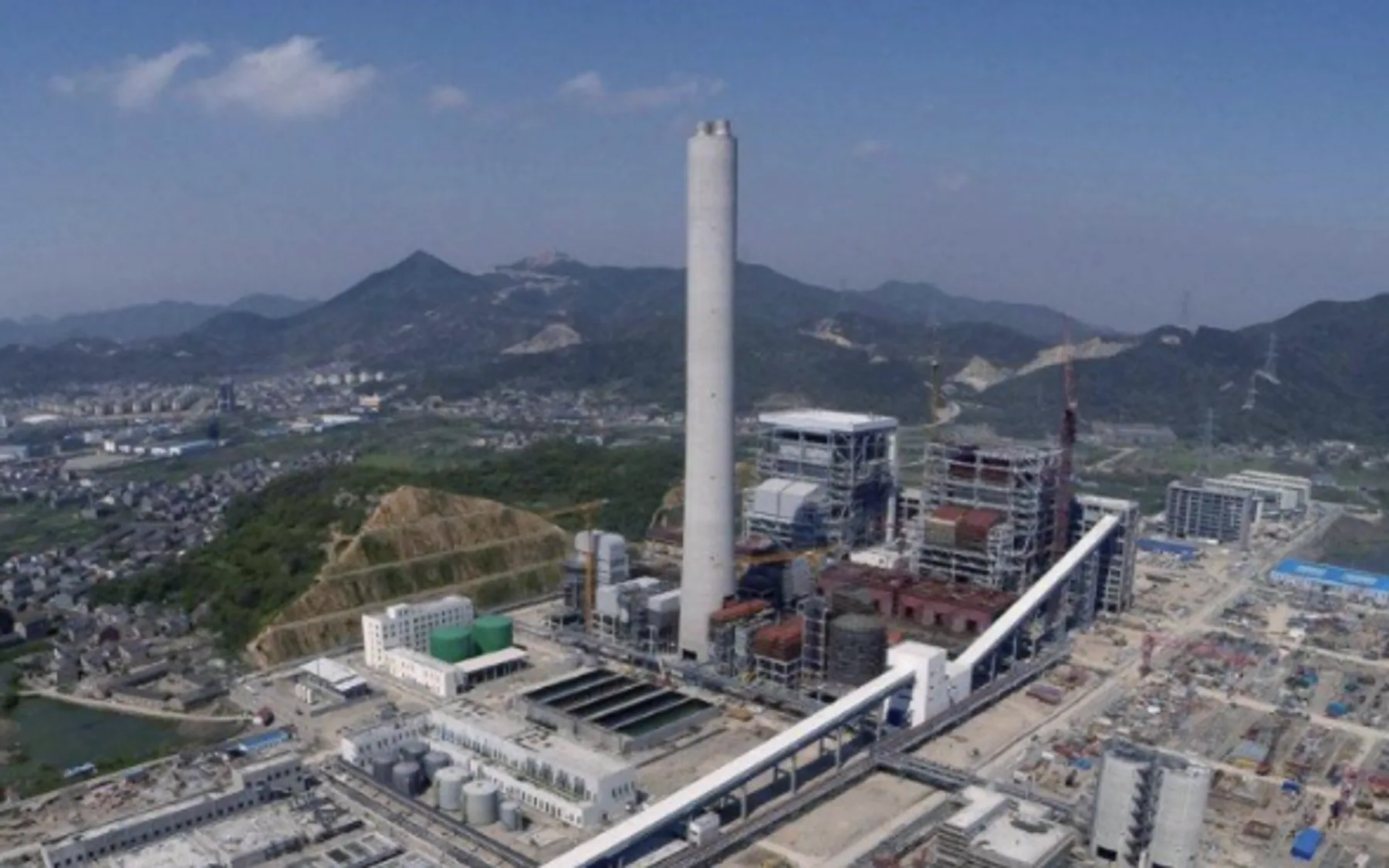
Products
Review protective systems for hot industrial equipment where temperature, oxidation, atmosphere and operating cycles must be considered together.
Protective systems selected for the actual temperature, thermal cycle, substrate and corrosive exposure.
Typical equipmentIndustrial kiln · High-temperature pipeline · Furnace shell
View product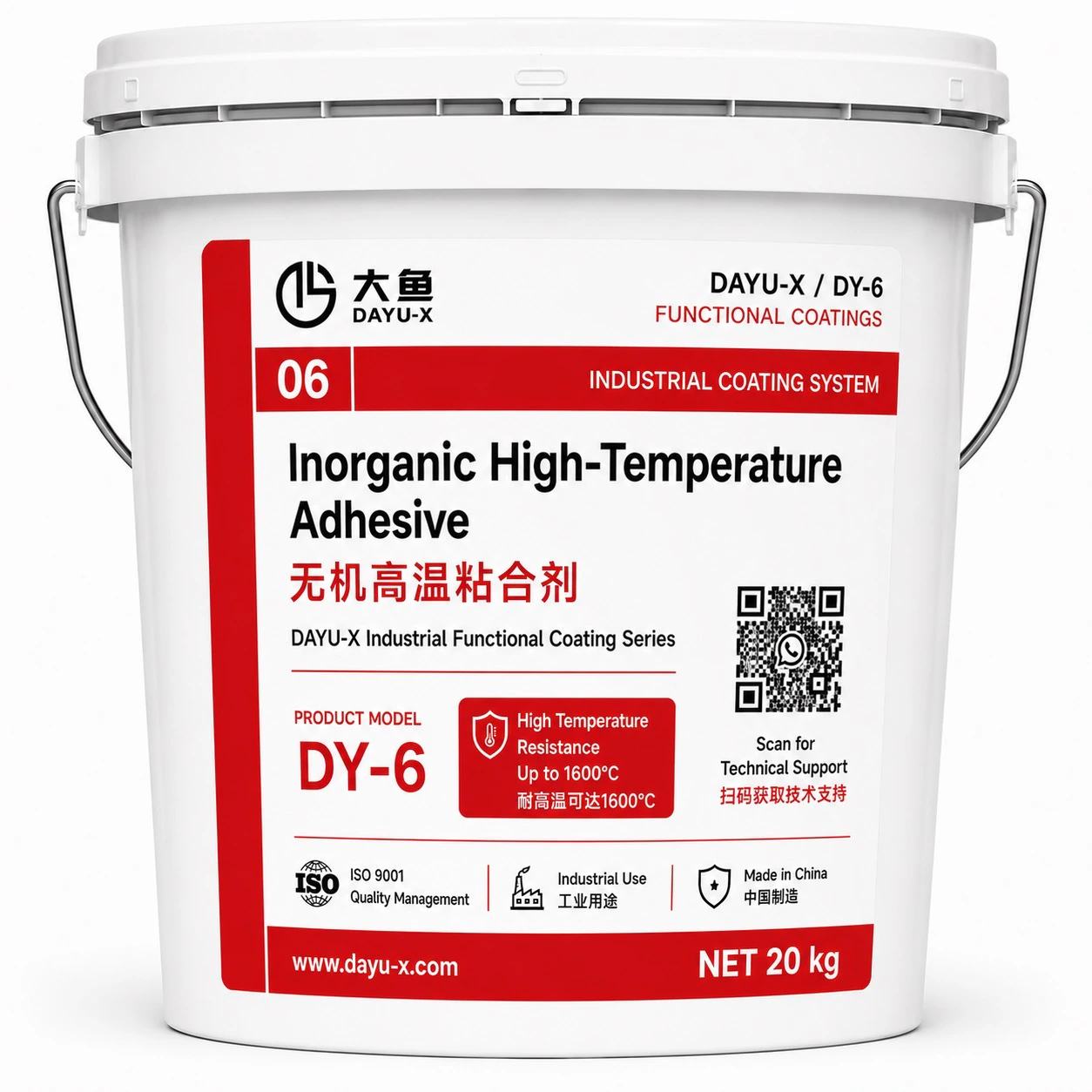
High-temperature bonding and repair material for compatible joints and refractory assemblies.
Typical equipmentIndustrial kiln · Furnace lining · Burner ignition equipment
View product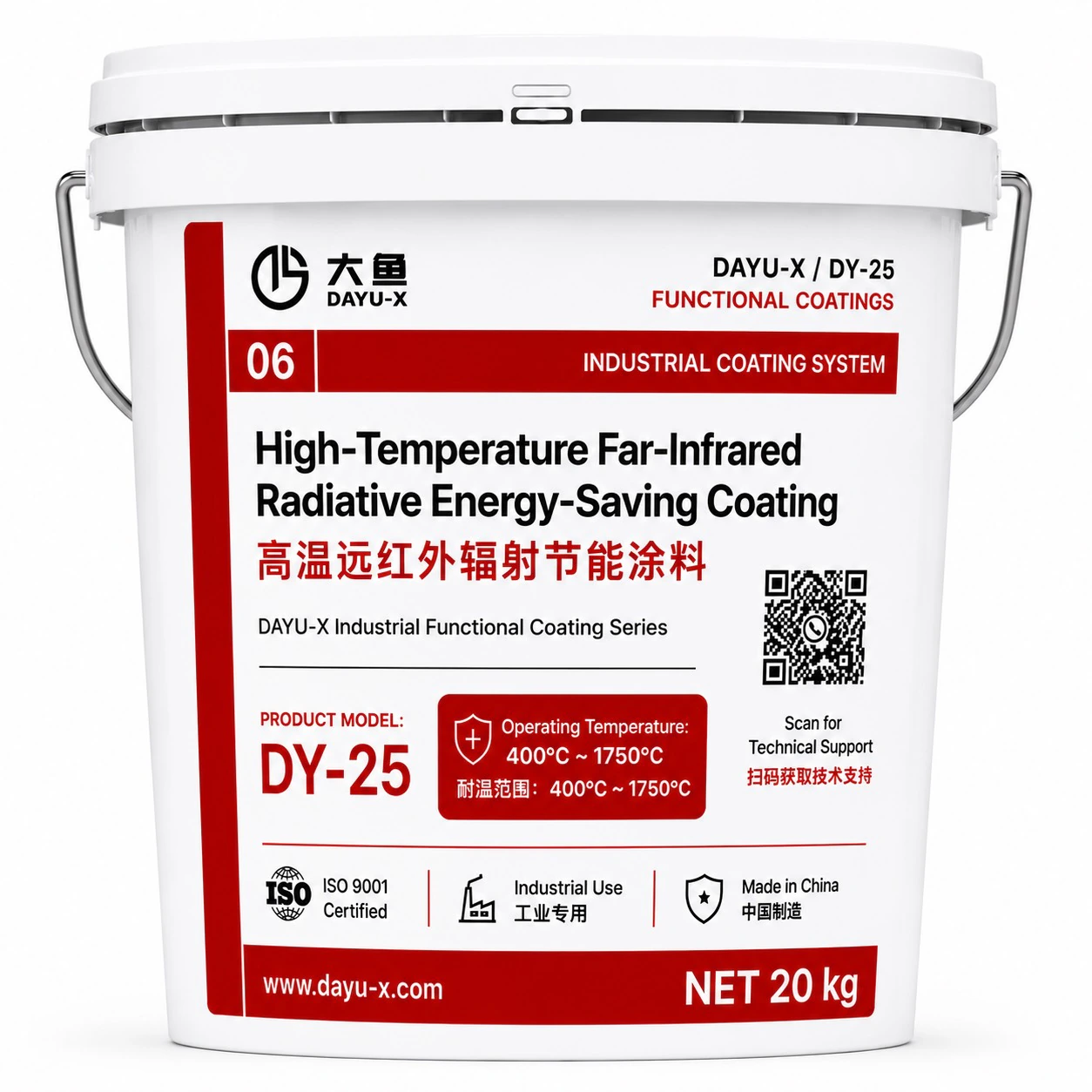
Protective systems selected for the actual temperature, thermal cycle, substrate and corrosive exposure.
Typical equipmentIndustrial kiln · Cracking furnace · High-temperature process equipment
View product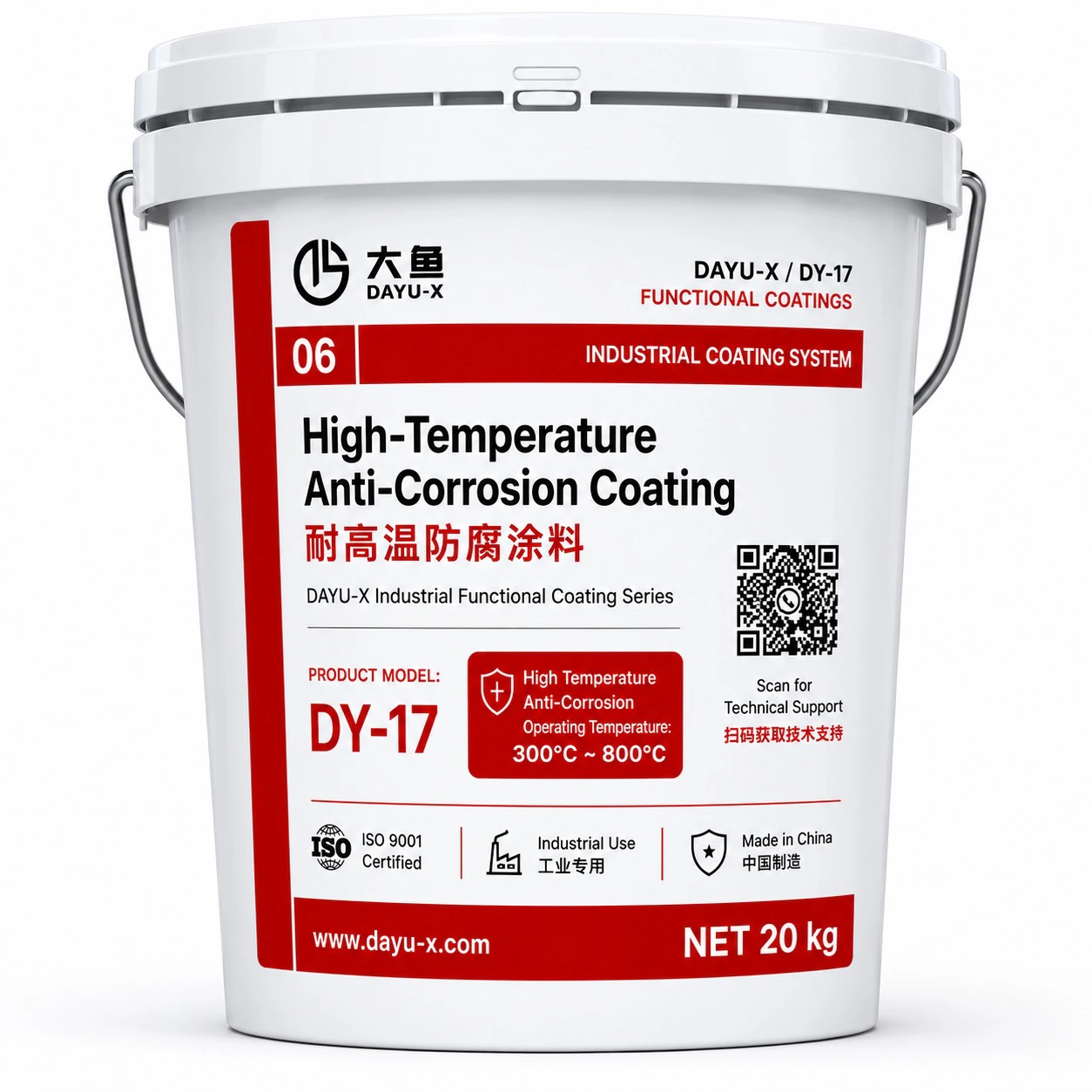
Protective systems selected for the actual temperature, thermal cycle, substrate and corrosive exposure.
Typical equipmentFurnace shell · Drying oven · High-temperature pipeline
View product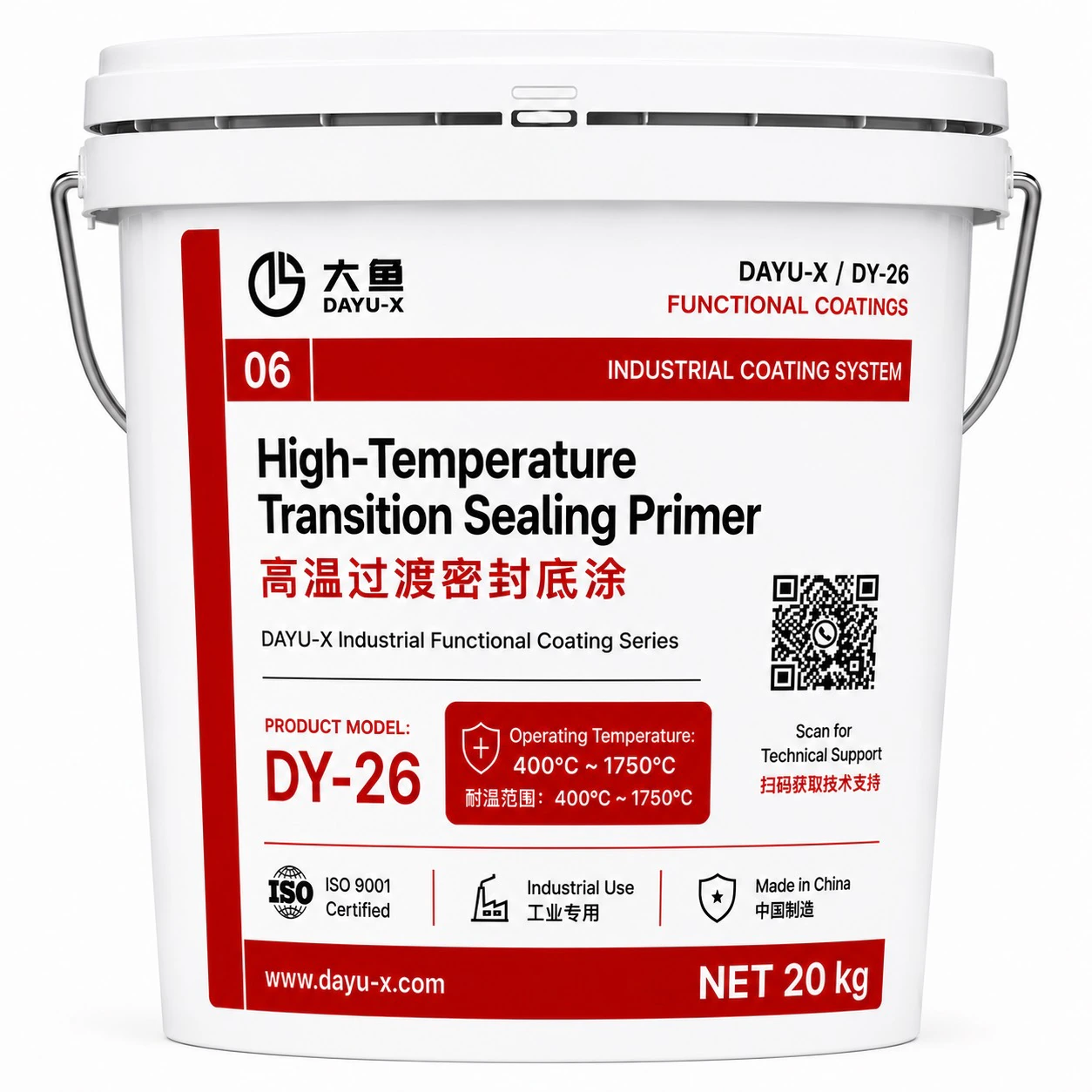
Protective systems selected for the actual temperature, thermal cycle, substrate and corrosive exposure.
Typical equipmentThermal-sprayed metal · High-temperature equipment · Industrial kiln
View productNo product matches this combination. Clear the filters and review the operating condition with our technical team.
High-temperature coating selection begins with continuous and peak temperature, heating and shutdown cycles, substrate, atmosphere, deposits and condensation risk. The family page routes broad heat-resistant coating research to the appropriate engineering solution and product-specific page.
Confirm the actual substrate, exposure and operating cycle before selecting an individual product.
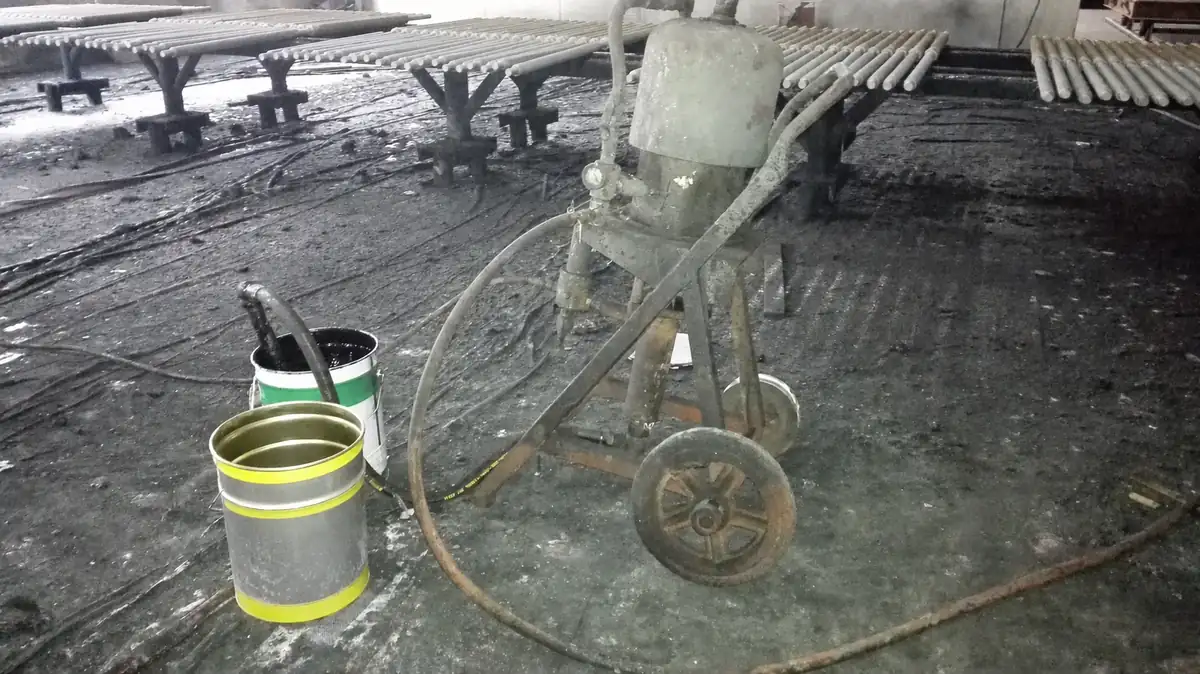
ConditionWater-bearing flue gas, acidic condensate, particulates and complex finned-tube geometry.
DirectionCorrosion protection for flue-gas service
Related productDY-13 High-Temperature Flue-Gas Anti-Corrosion Coating
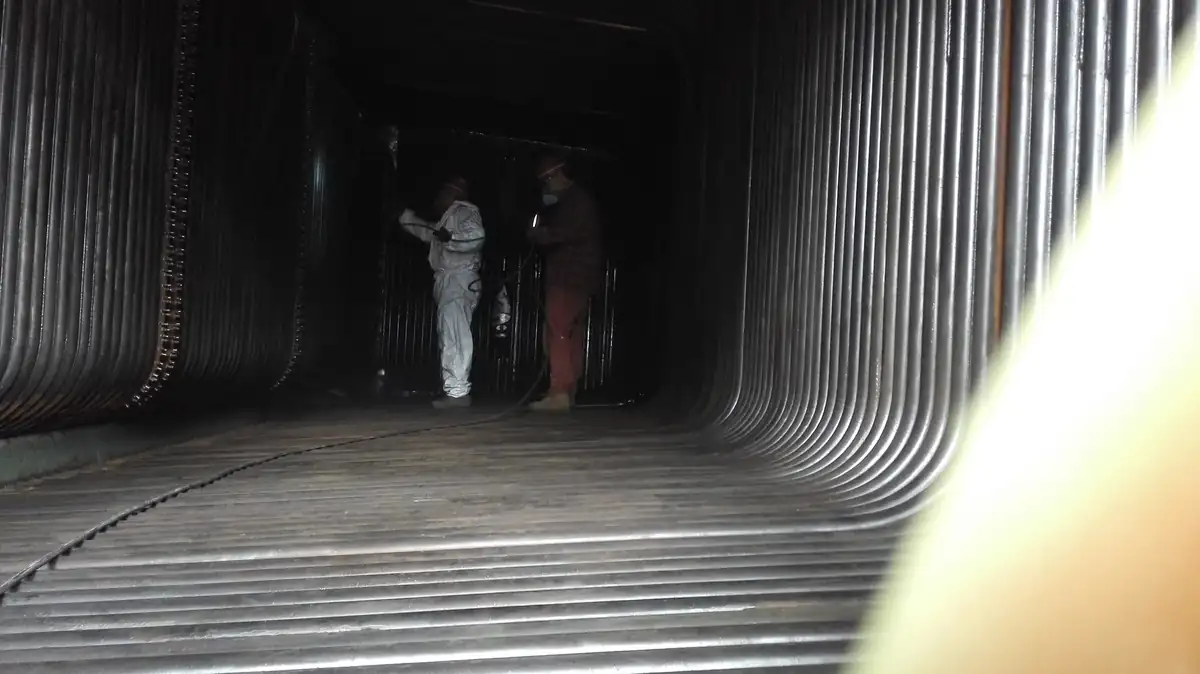
ConditionHigh temperature, steam erosion, corrosive components and tar deposition on a gasifier waterwall.
DirectionProtection for high-temperature waterwall service
Related productDY-24 High-Temperature Thermal Insulation Coating
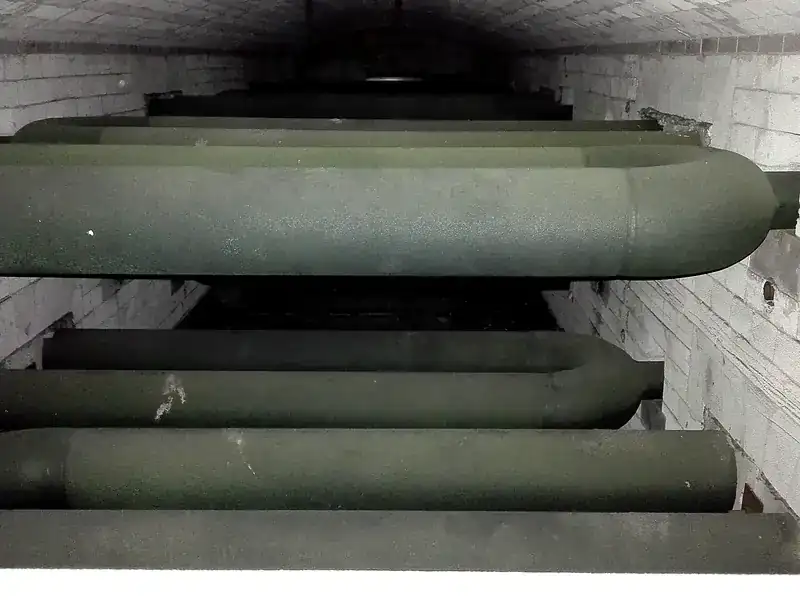
ConditionHigh temperature, repeated thermal cycling and deposits on furnace walls, rollers and radiant tubes.
DirectionThermal protection for furnace equipment
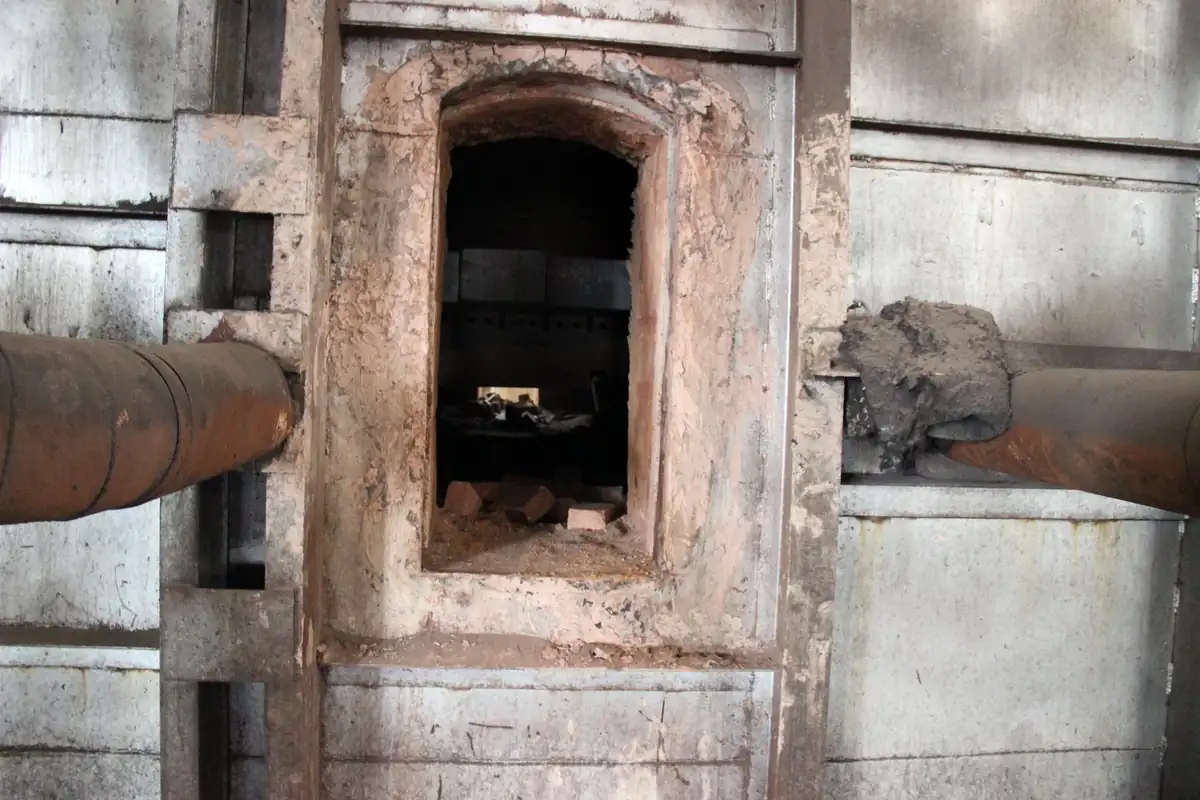
ConditionHigh temperature, repeated thermal cycling and deposits on furnace walls, rollers and radiant tubes.
Direction
Record substrate, preparation, product identity, layer build, cure, exposure, inspection dates and observed condition without extrapolating unsupported results.
Technical articleKey Controls for Boiler Waterwall ProtectionWaterwall protection depends on substrate inspection, surface cleanliness, profile, edge continuity, film build and curing conditions.
Application guideIndustrial Coating Selection ChecklistFive basic questions for matching the system to the actual operating condition.
Provide the substrate, continuous and peak temperature, heating and shutdown cycle, atmosphere, deposits, condensation risk, existing coating and maintenance window. Product selection follows that operating review.
No. Heat resistance, corrosion protection, emissivity, sealing and bonding are different functions. The required function and exposure must be confirmed before choosing an individual product.
Use a representative trial area when the substrate, retained coating, preparation route, application access or service transition is uncertain.
DAYU-X
Share the equipment, substrate, medium, temperature and current problem for a focused technical review.