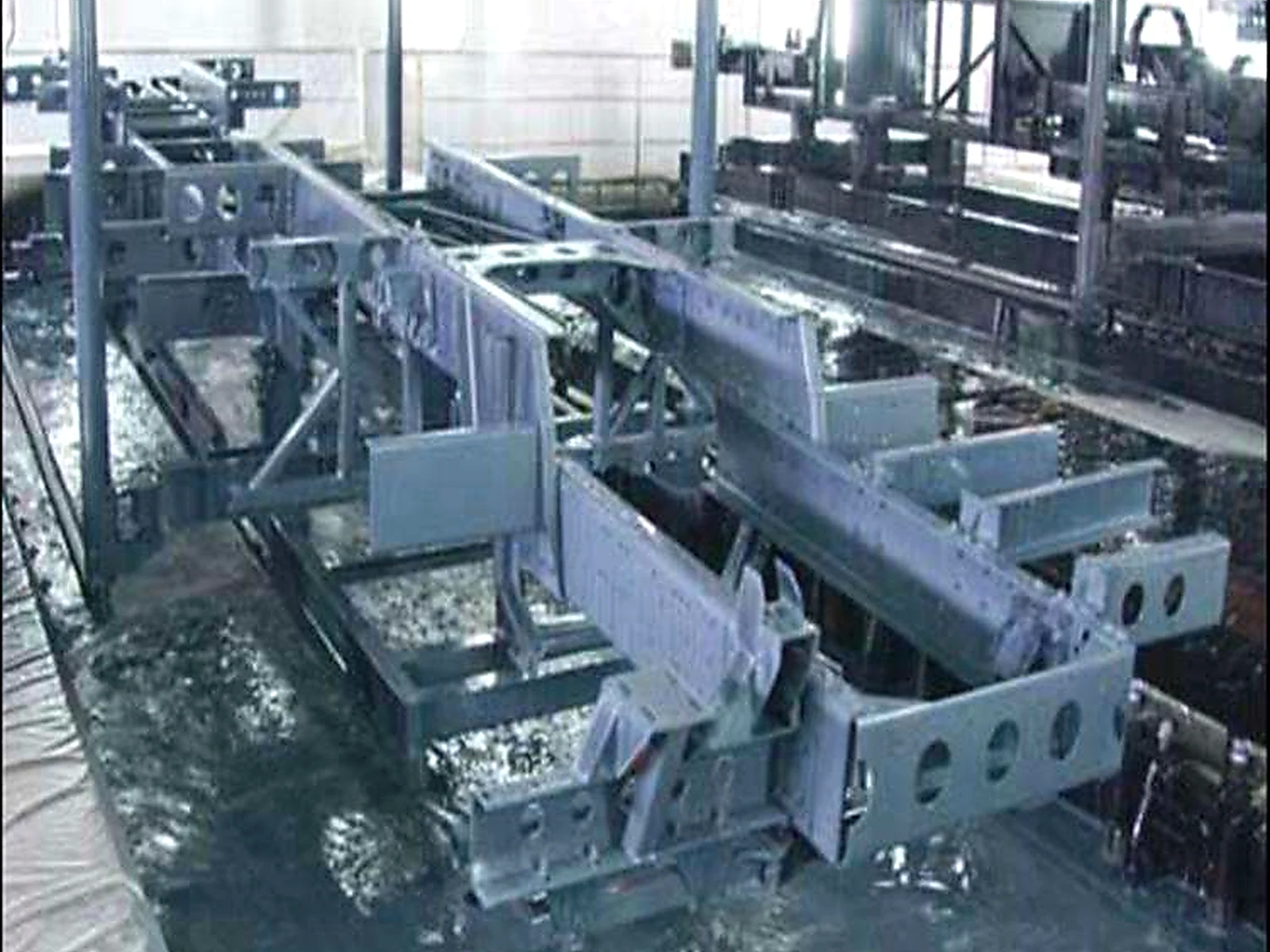
Identify the steel condition and specified coating system
Record the substrate, fabrication state, exposure history, existing coating or temporary protection, visible corrosion, repairs and difficult details. Review the approved coating system and preparation requirement before choosing tools or starting work.
Separate new fabrication, weathered bare steel, previously coated steel and local repair zones. They do not begin from the same condition and should not share an unqualified acceptance statement.
Remove oil, grease, salts, dust and loose material
Remove visible oil and grease before abrasive or mechanical preparation so contamination is not driven across the surface. Address soluble contamination where the exposure and project specification make it relevant, then remove dust and loose residues before inspection.
Cleaning methods should not introduce an incompatible residue. Reinspect areas around handling points, drains, weld preparation and contaminated deposits after the first cleaning pass.
Treat rust, scale, pits, edges, welds and crevices
Remove unstable rust and scale to the specified condition and inspect the exposed steel for pits, laminations, weld spatter, undercut, sharp edges and crevices. Fabrication defects or section loss outside the coating scope require repair or engineering disposition.
Round or prepare edges and detail welds as required by the project so the coating can remain continuous. Pits and narrow crevices need direct inspection rather than being filled or bridged without an approved procedure.
Establish and verify the required surface profile
The preparation method should produce the cleanliness and profile required by the selected system without damaging thin components or critical geometry. Verify representative areas with the method specified for the project and keep the records traceable to the work zone.
A more aggressive profile is not automatically better. Compatibility between the prepared surface and the complete coating system is the objective.
Control condensation and time-to-coating
Monitor air and steel conditions using the project method and prevent preparation during condensation or when the surface cannot remain acceptable until coating. Weather, ventilation, cooling equipment and adjacent washdown can change the condition after a surface has passed inspection.
Release manageable work zones and protect them from moisture, dust, handling and flash rust. If the accepted condition changes, reinspect and restore it before coating.
Inspect difficult geometry and stripe-coat areas
Plan separate access and detailing for edges, welds, bolts, cut-outs, attachments, backsides and transitions. These areas often need additional preparation attention and the project-specified stripe-coating step before broad-area application.
- Mark hidden or restricted surfaces before access is moved.
- Use lighting that reveals dust and residual contamination.
- Confirm continuity at repair boundaries and old-to-new interfaces.
- Do not let stripe-coating become a substitute for inadequate preparation.
Record the preparation acceptance gate
Record the work zone, starting condition, preparation method, inspection evidence, environmental observations, defects found, repairs made, release time and coating start. Photographs should show both overall location and representative detail.
Acceptance records support traceability; they do not replace the project specification or an inspector's required judgement.
Existing coatings, exceptions, and escalation limits
Do not assume an existing coating is compatible or sufficiently bonded. Identify it where possible, assess representative adhesion and edges, and follow the approved repair or overcoating decision. Escalate unknown layers, widespread underfilm corrosion, active contamination, structural loss and inaccessible defects instead of hiding them beneath a new finish.
Related technical pathways
Technical review
References
Project takeaway
Need technical documents or project guidance?
Send the operating condition and the document or application question you need reviewed.