
When this product direction fits
Protective systems selected for the actual temperature, thermal cycle, substrate and corrosive exposure.
High Temperature Protective Coatings
DY-19
Protective systems selected for the actual temperature, thermal cycle, substrate and corrosive exposure.
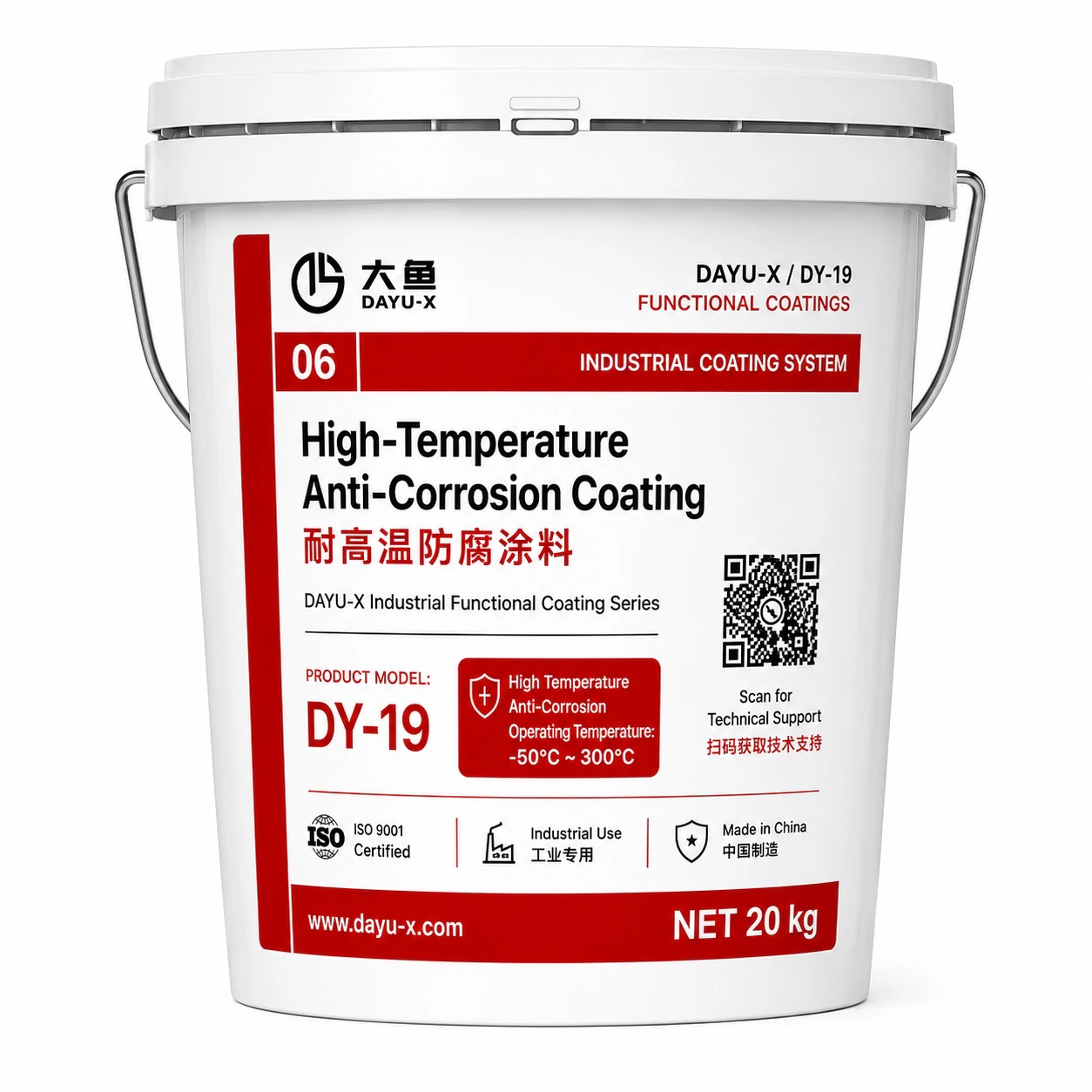
Protective systems selected for the actual temperature, thermal cycle, substrate and corrosive exposure.
A highly cross-linked polymer and organosiloxane coating designed to protect metal substrates against thermal oxidation and atmospheric corrosion during elevated-temperature service and cooldown.
Protective systems selected for the actual temperature, thermal cycle, substrate and corrosive exposure.
The selection is driven by documented service temperature, thermal cycling and corrosive exposure rather than temperature alone.
Suitability depends on the actual substrate, medium, concentration, temperature cycle, exposure mode and application window. Final system selection and project-specific instructions require technical review.
Typical application context
Power & Energy · Petrochemical & Refining · Steel: application review for Industrial kiln · High-temperature pipeline · Furnace shell.
Protective systems selected for the actual temperature, thermal cycle, substrate and corrosive exposure. Confirm the substrate, exposure and maintenance access before final selection.
Power & Energy
Petrochemical & Refining
Steel
Industrial Equipment
External metal surfaces · Equipment shells · High-temperature steelwork
Dry heat · Thermal oxidation · Atmospheric corrosion
DY-19
Only values available in the reviewed product source are shown.
Confirm substrate condition, contamination, corrosion, defects and access before work starts.
Remove oil, dust and loose material; prepare cleanliness and profile to the reviewed product procedure.
Check compatibility of retained coatings and complete a representative trial area when the existing system is uncertain.
Prepare and mix only according to the product source; do not improvise ratio, thinner or pot life.
Build a continuous system in controlled layers, with special attention to edges, welds, joints and shadow zones.
Protect the applied area through curing, then inspect continuity, visible defects and recorded source-backed acceptance items.
Abrasive blast to Sa 2.5 with 30-60 μm roughness; local repair to St 3.
5-60°C; relative humidity ≤85%; substrate at least 3°C above dew point.
Add hardener slowly to the mixed base at 9:1 by weight; mechanically mix for 3-5 minutes.
Brush, roller, air spray or airless spray.
Touch dry 2 h, hard dry 24 h, full cure 7 days.
Use xylene, n-butanol or an epoxy-compatible thinner only if dilution is necessary.
Official product source: Reviewed DAYU-X technical source for DY-19 high-temperature anti-corrosion coating
Check surface-preparation records, environmental conditions, layer continuity, edges, welds and visible defects. Use only acceptance criteria stated in the reviewed product or project documents.
Inspect representative high-risk locations during planned maintenance. Clean the area, identify the cause of damage, feather sound edges and verify compatibility before local repair.
Suitability depends on the actual substrate, medium, concentration, temperature cycle, exposure mode and application window. Final system selection and project-specific instructions require technical review.
Technical documents
TDS, SDS, MSDS, test reports and other project-related technical documents are available based on specific project requirements. Please contact us through WhatsApp.
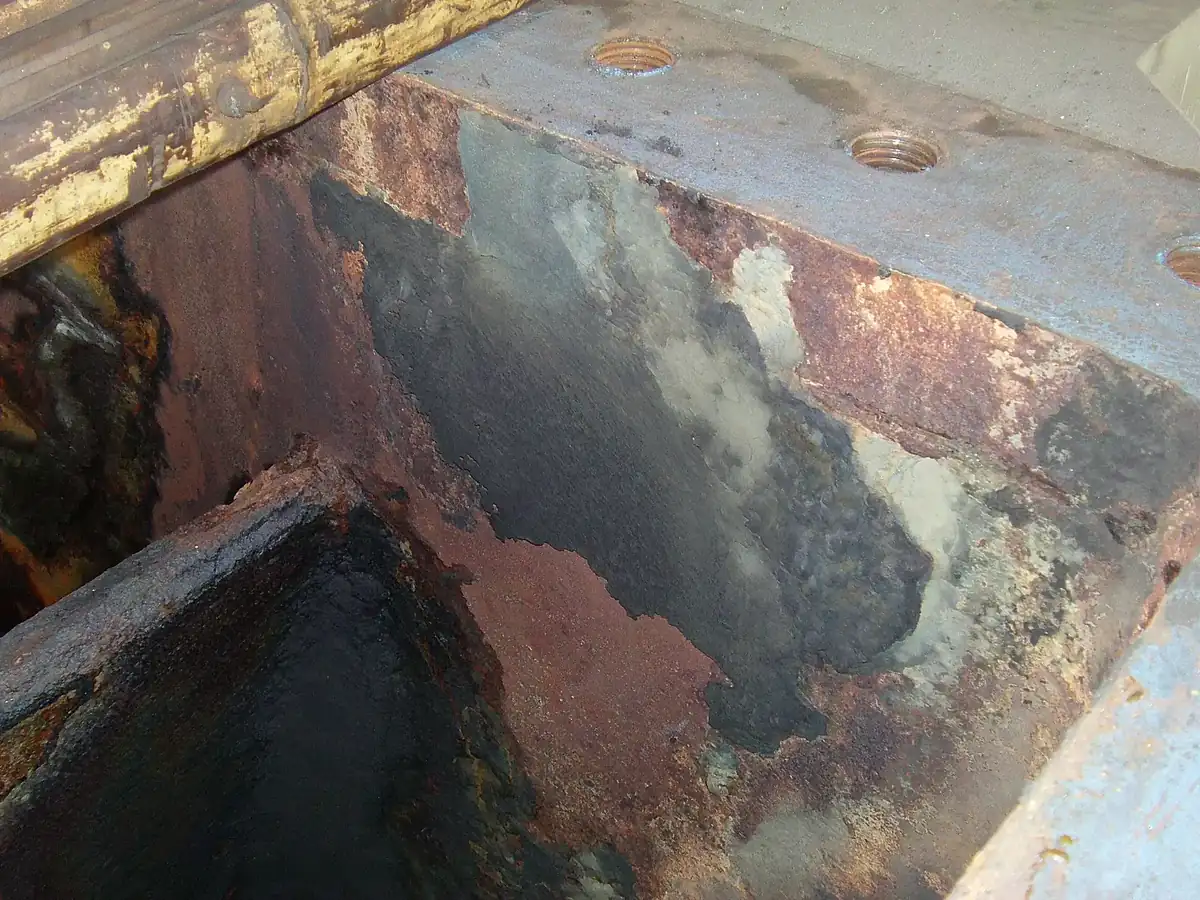
Heat, oxidation, deposits, old surface layers and restricted access during shutdown inspection.
View case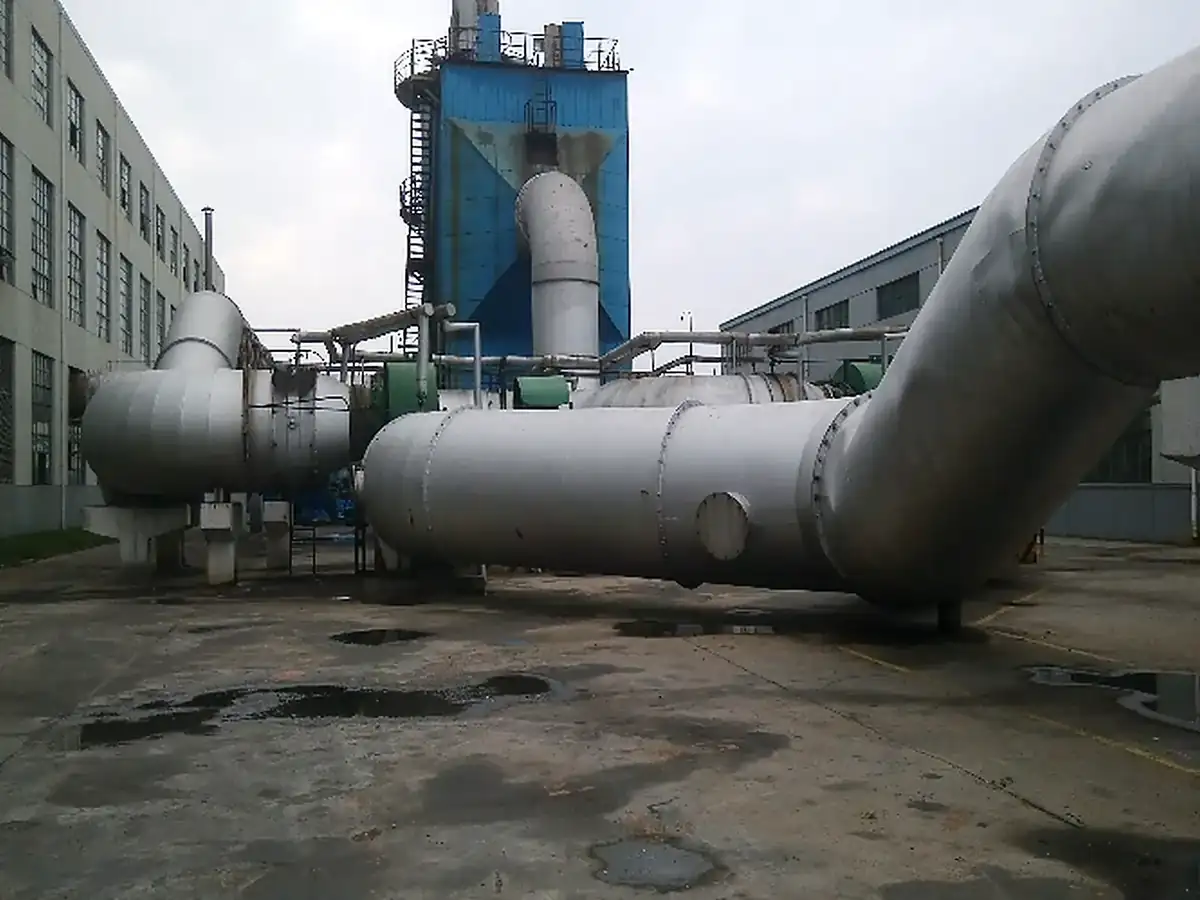
Flue-gas temperature changes, condensation risk, deposits and difficult geometry around joints and transitions.
View case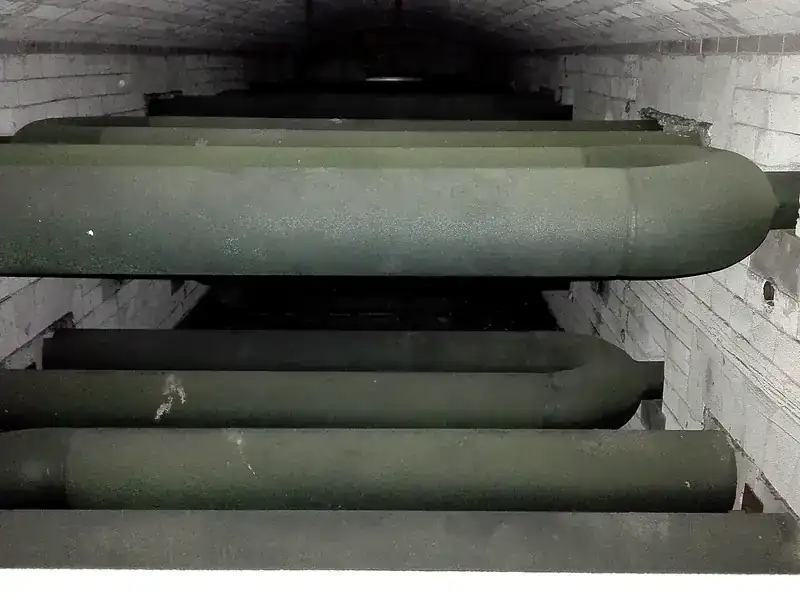
High temperature, repeated thermal cycling and deposits on furnace walls, rollers and radiant tubes.
View case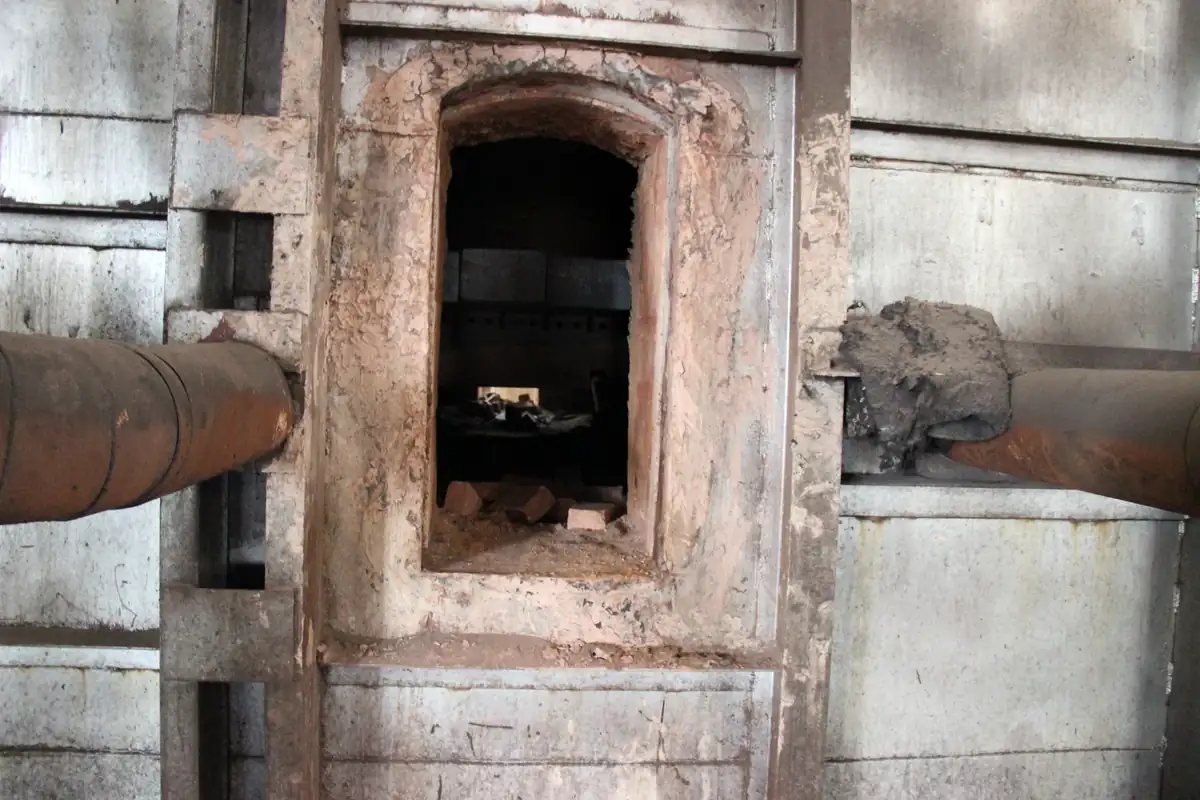
High temperature, repeated thermal cycling and deposits on furnace walls, rollers and radiant tubes.
View case
Protective systems selected for the actual temperature, thermal cycle, substrate and corrosive exposure.
Typical equipmentFurnace shell · Drying oven
View product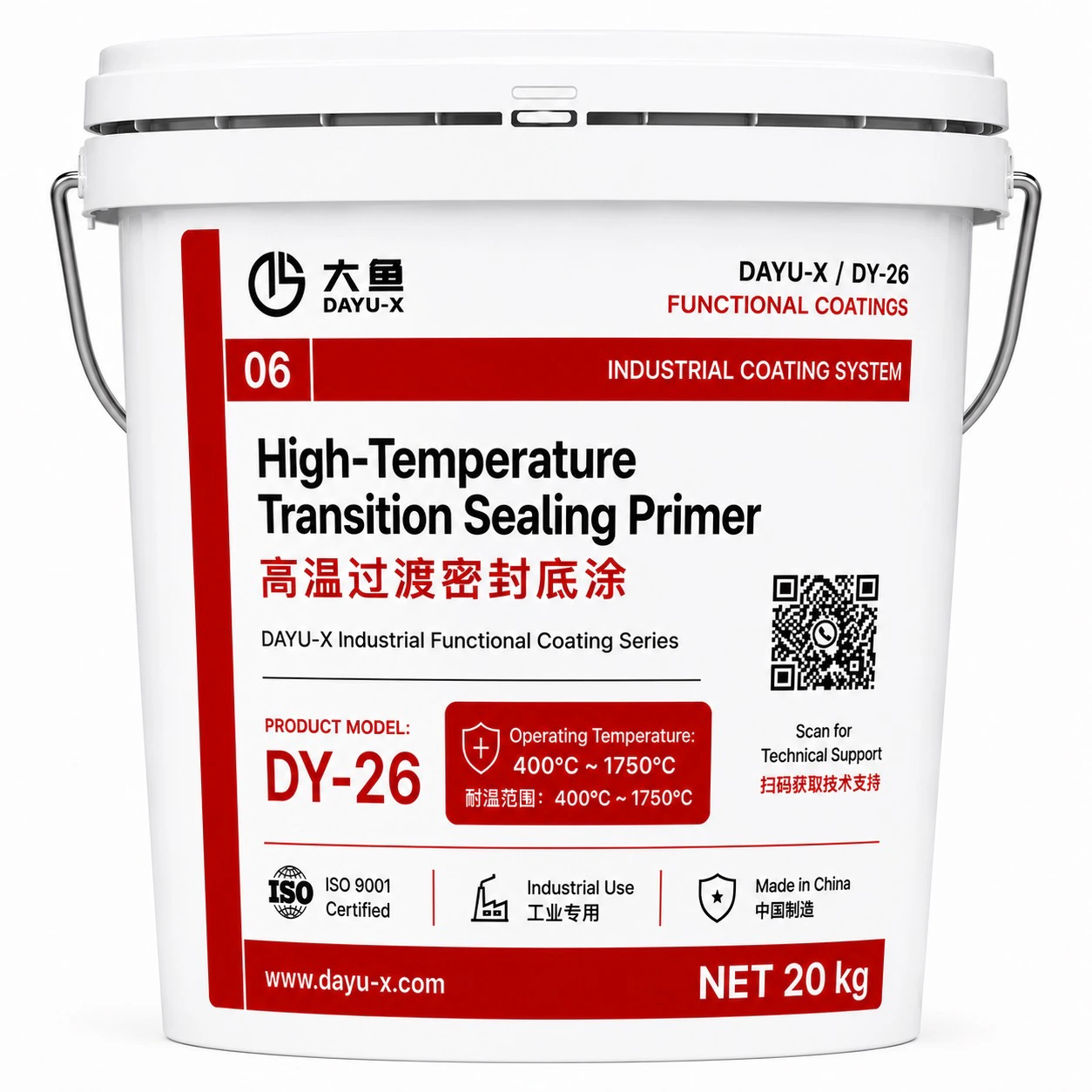
Protective systems selected for the actual temperature, thermal cycle, substrate and corrosive exposure.
Typical equipmentThermal-sprayed metal · High-temperature equipment
View product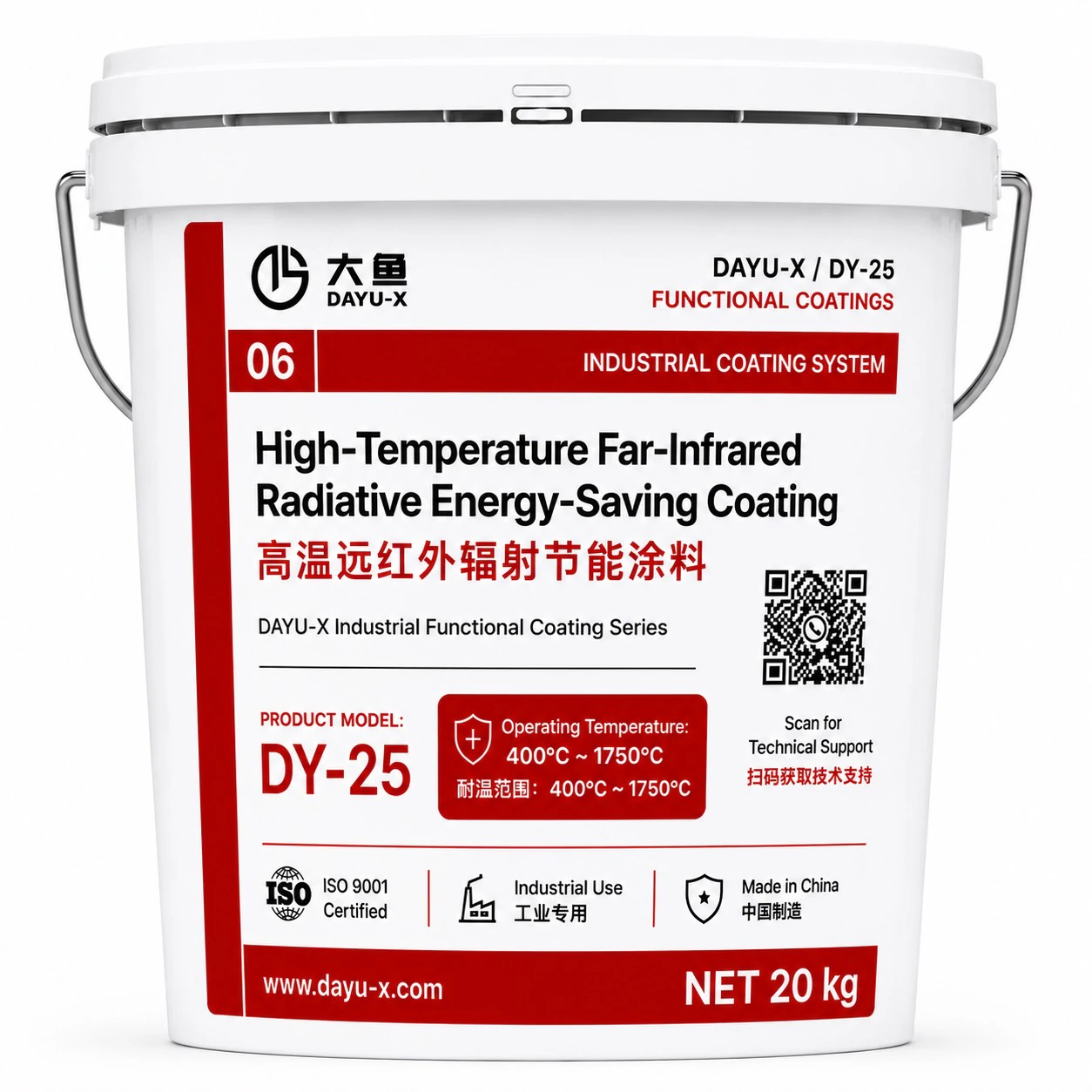
Protective systems selected for the actual temperature, thermal cycle, substrate and corrosive exposure.
Typical equipmentIndustrial kiln · Cracking furnace
View product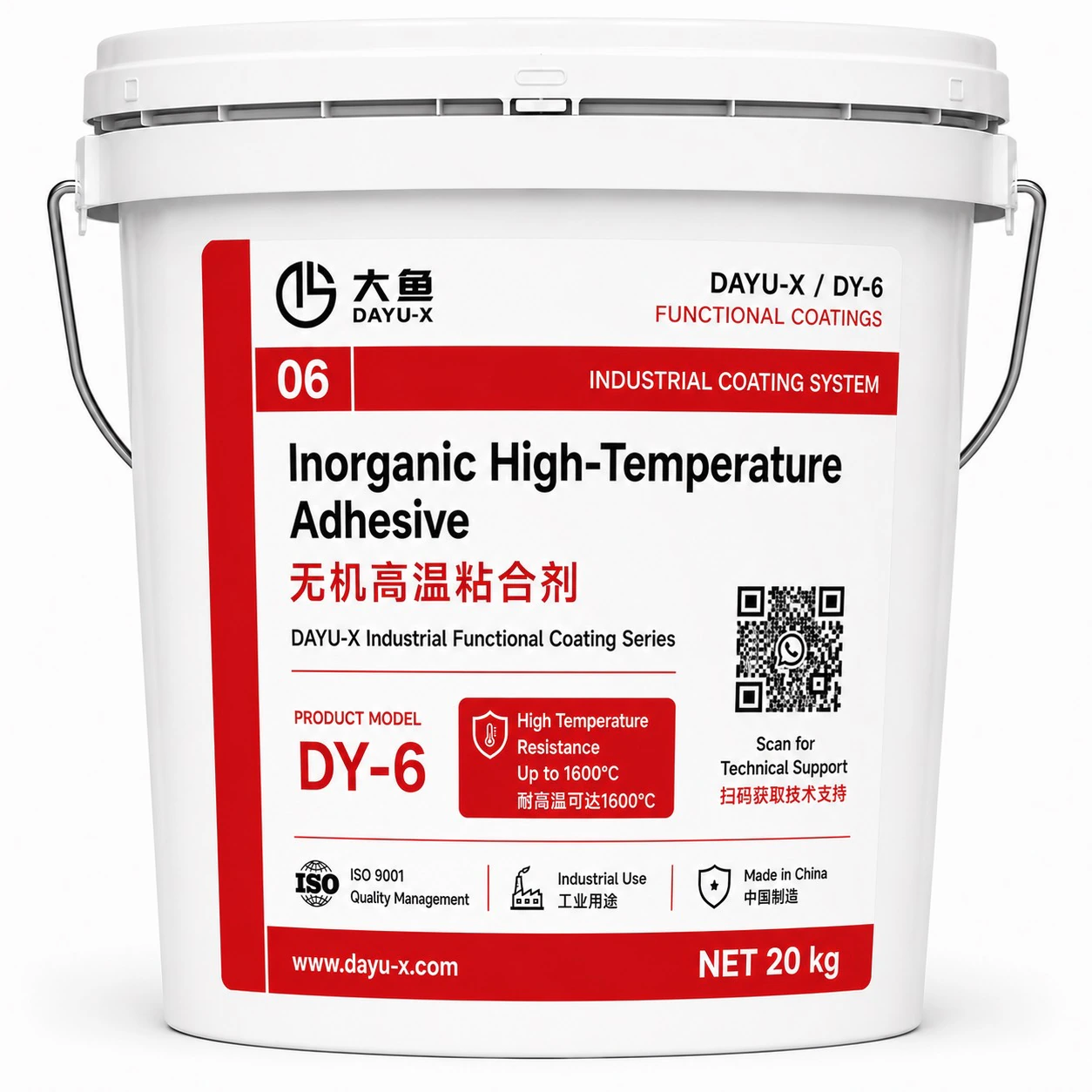
High-temperature bonding and repair material for compatible joints and refractory assemblies.
Typical equipmentIndustrial kiln · Furnace lining
View productDAYU-X
Share the equipment, substrate, medium, temperature and current problem for a focused technical review.