
When this product direction fits
High-temperature bonding and repair material for compatible joints and refractory assemblies.
High Temperature Protective Coatings
DY-6
High-temperature bonding and repair material for compatible joints and refractory assemblies.
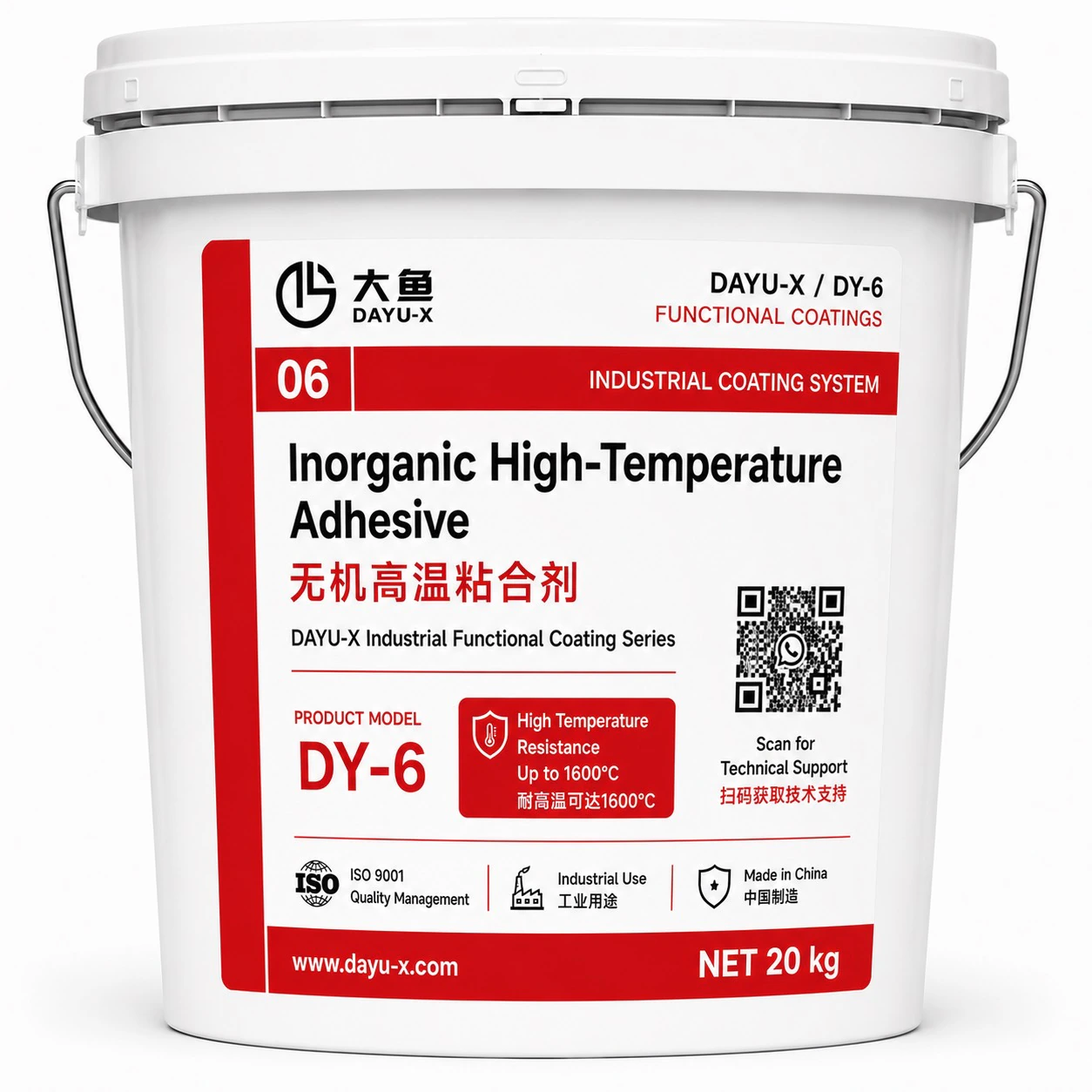
High-temperature bonding and repair material for compatible joints and refractory assemblies.
An inorganic alumina ceramic adhesive for bonding and repair of compatible metal and ceramic components in high-temperature equipment.
High-temperature bonding and repair material for compatible joints and refractory assemblies.
The selection is driven by documented service temperature, thermal cycling and corrosive exposure rather than temperature alone.
Suitability depends on the actual substrate, medium, concentration, temperature cycle, exposure mode and application window. Final system selection and project-specific instructions require technical review.
Typical application context
Power & Energy · Steel · Industrial Equipment: application review for Industrial kiln · Furnace lining · Burner ignition equipment.
High-temperature bonding and repair material for compatible joints and refractory assemblies. Confirm the substrate, exposure and maintenance access before final selection.
Power & Energy
Steel
Industrial Equipment
Bonding joints · Repair zones · Sealing zones
800°C to 2000°C stated working range
DY-6
Only values available in the reviewed product source are shown.
Review the joint geometry and loads before material selection.
Clean, dry and roughen compatible bonding faces without weakening the substrate.
Dry-fit and support the assembly before preparing material.
Prepare only to the reviewed product instruction.
Maintain alignment and restraint during curing.
Inspect bond continuity and repair visible voids before service.
Remove dust and oil from bonding surfaces.
Mix A:B at 1.5-2:1 by weight; use within 2 hours and stop if the mixture agglomerates.
Apply or fill directly at the bond or sealing area.
Room temperature hold, then 60-80°C for 2-3 h, then 150°C for 2 h; cool with the furnace.
Keep away from children and direct sunlight.
Clean uncured material with water; cured material requires mechanical removal or hot-water soaking.
Official product source: Inorganic high-temperature adhesive 800-2000°C / DY-6 PDF
Check surface-preparation records, environmental conditions, layer continuity, edges, welds and visible defects. Use only acceptance criteria stated in the reviewed product or project documents.
Inspect representative high-risk locations during planned maintenance. Clean the area, identify the cause of damage, feather sound edges and verify compatibility before local repair.
Suitability depends on the actual substrate, medium, concentration, temperature cycle, exposure mode and application window. Final system selection and project-specific instructions require technical review.
Technical documents
TDS, SDS, MSDS, test reports and other project-related technical documents are available based on specific project requirements. Please contact us through WhatsApp.
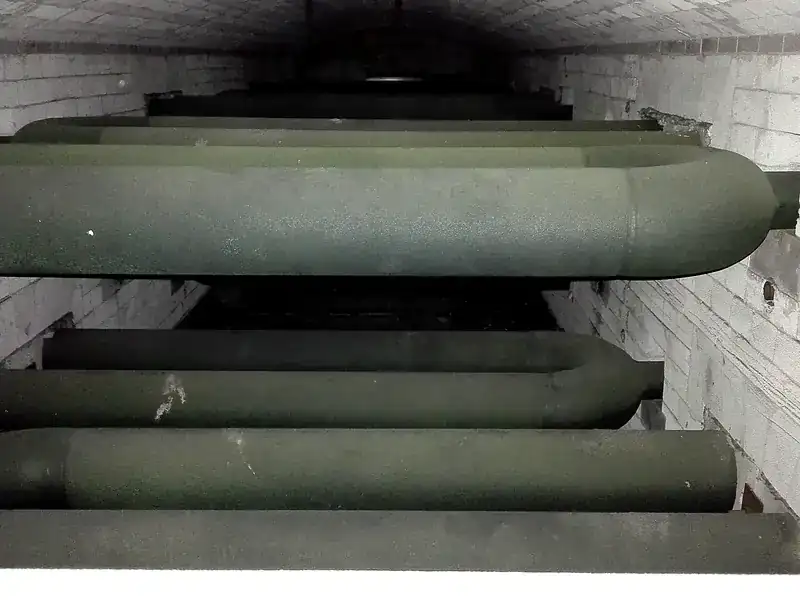
High temperature, repeated thermal cycling and deposits on furnace walls, rollers and radiant tubes.
View case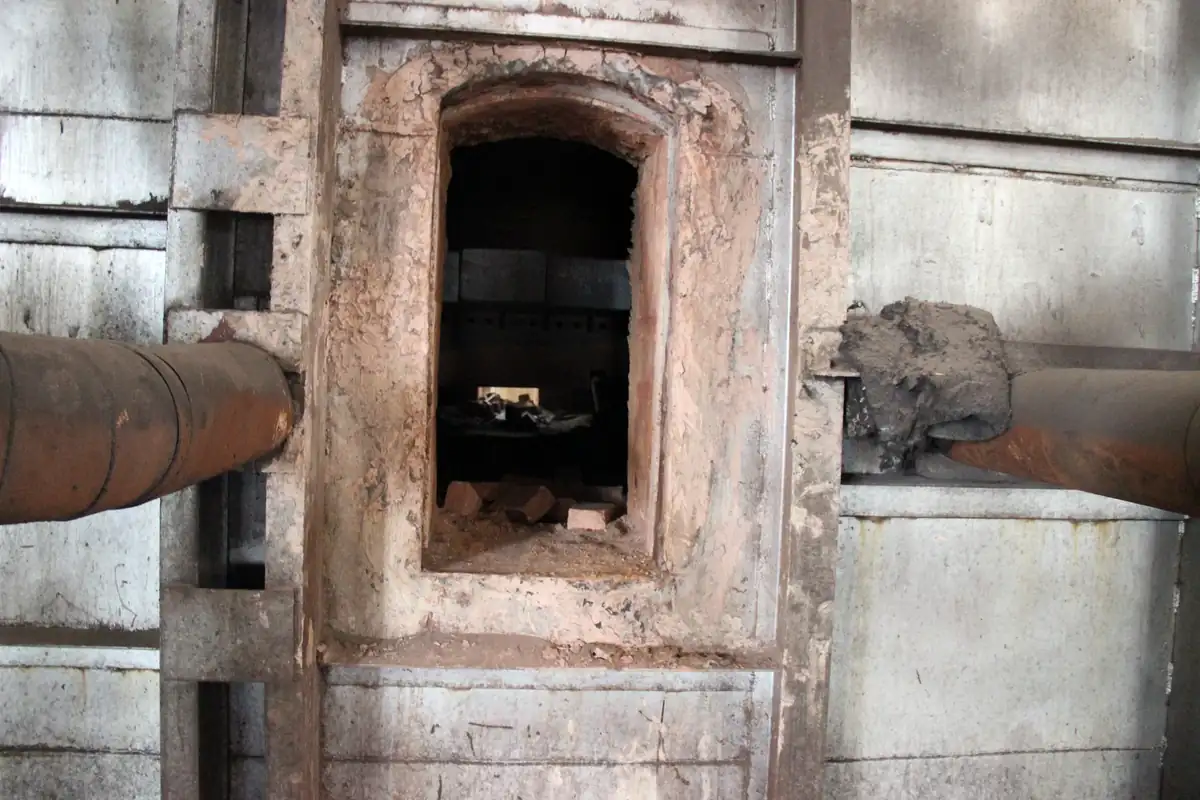
High temperature, repeated thermal cycling and deposits on furnace walls, rollers and radiant tubes.
View case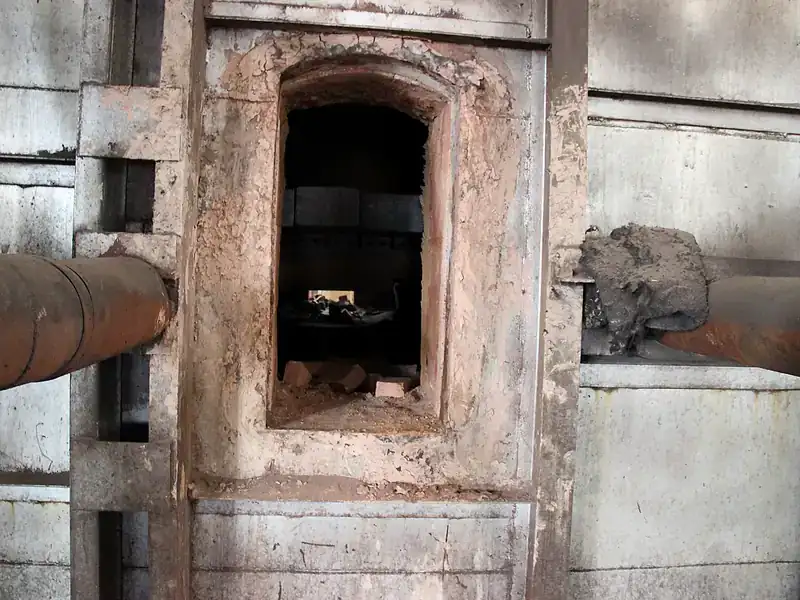
Shutdown access, refractory condition, dust, residual heat and the geometry around openings determine the preparation and application sequence.
View case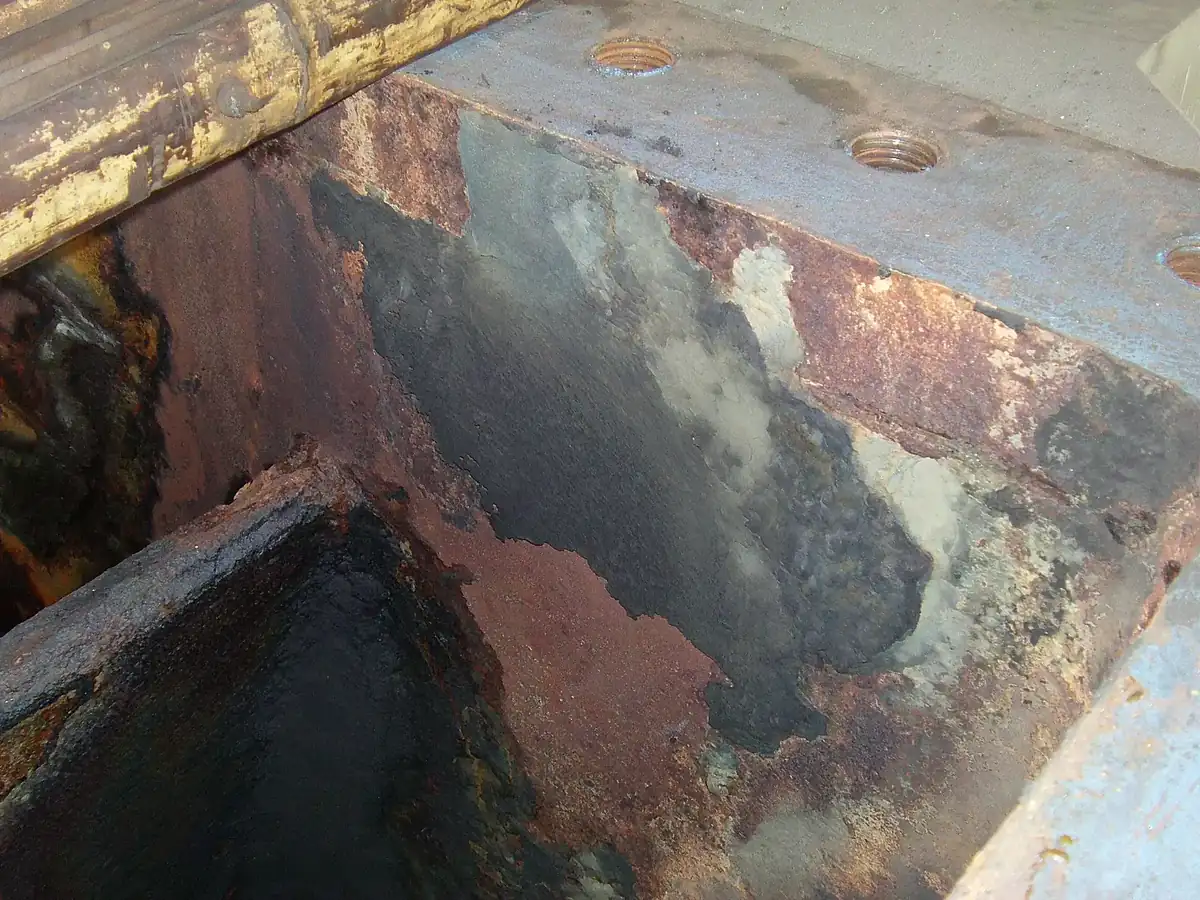
Heat, oxidation, deposits, old surface layers and restricted access during shutdown inspection.
View case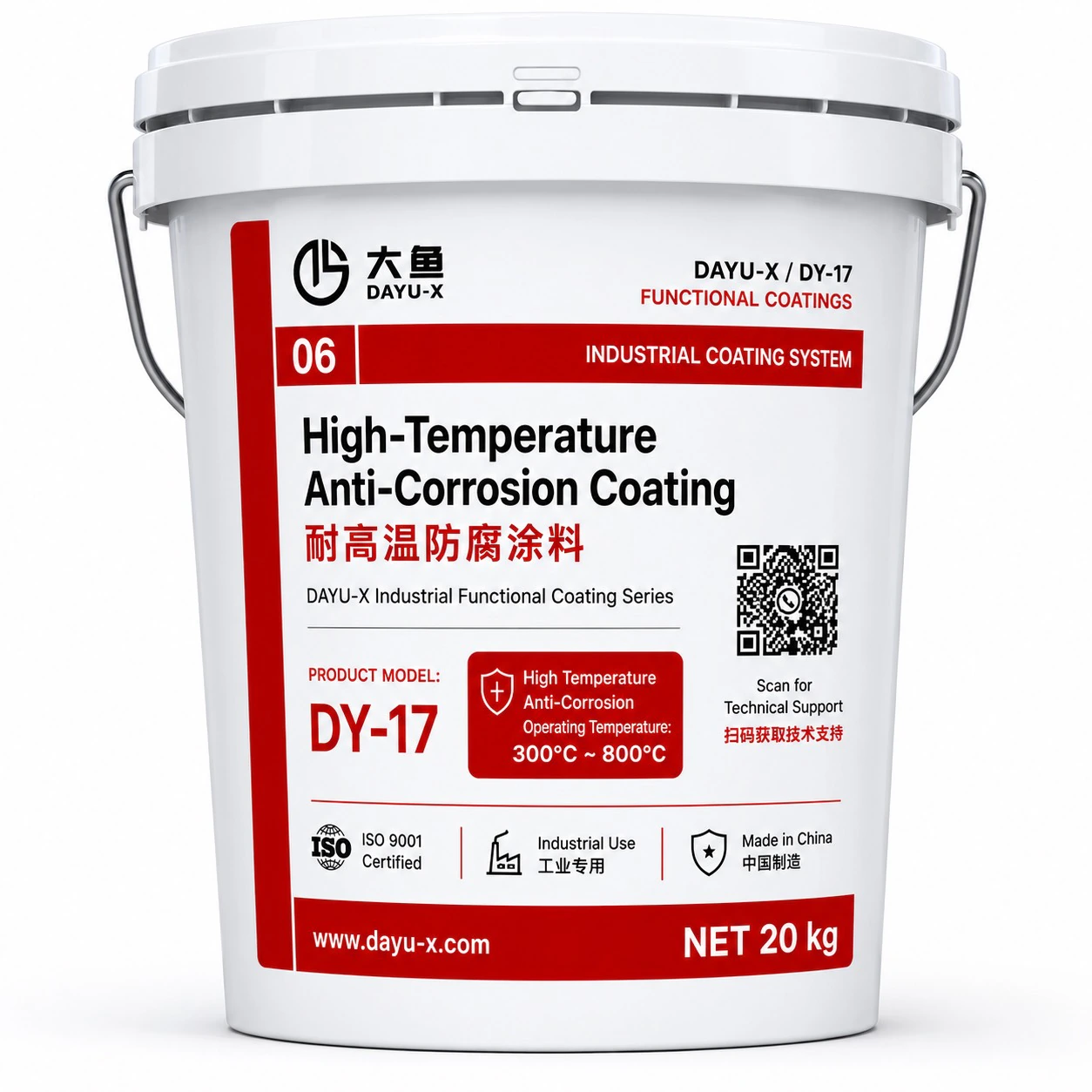
Protective systems selected for the actual temperature, thermal cycle, substrate and corrosive exposure.
Typical equipmentFurnace shell · Drying oven
View product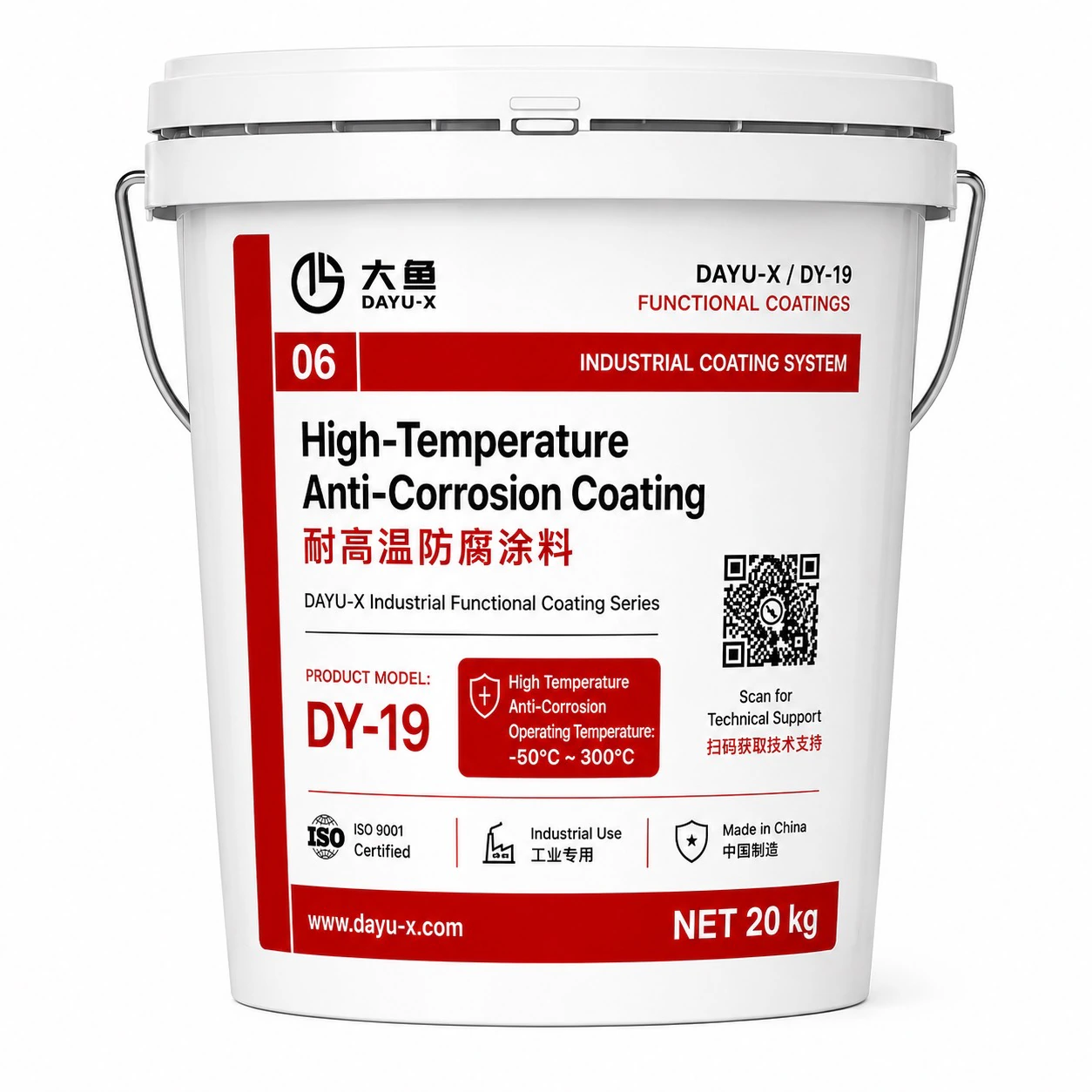
Protective systems selected for the actual temperature, thermal cycle, substrate and corrosive exposure.
Typical equipmentIndustrial kiln · High-temperature pipeline
View product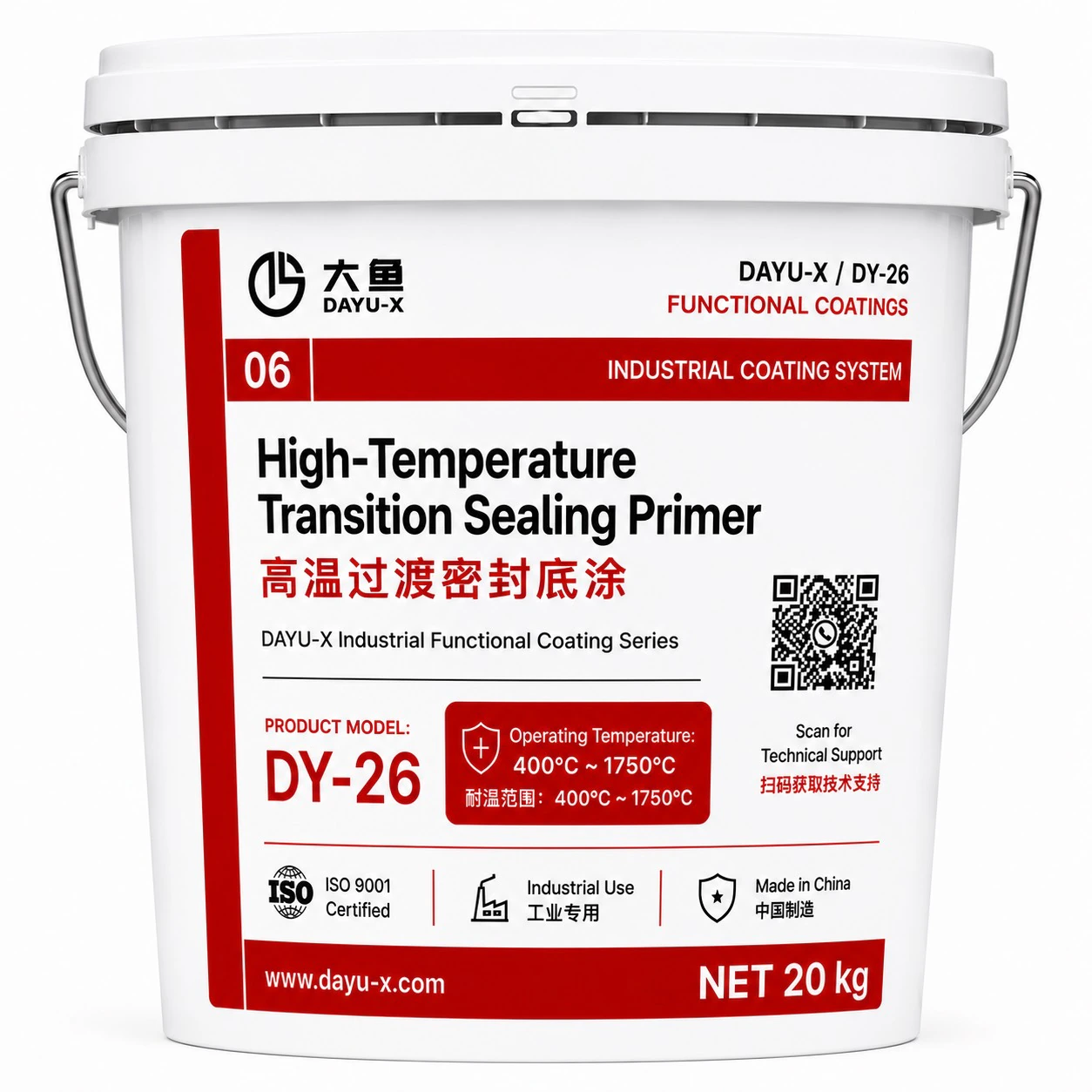
Protective systems selected for the actual temperature, thermal cycle, substrate and corrosive exposure.
Typical equipmentThermal-sprayed metal · High-temperature equipment
View product
Protective systems selected for the actual temperature, thermal cycle, substrate and corrosive exposure.
Typical equipmentIndustrial kiln · Cracking furnace
View productDAYU-X
Share the equipment, substrate, medium, temperature and current problem for a focused technical review.