
Operating background
Condition-based protection for waterwalls, tube banks, flues and gas-treatment equipment.
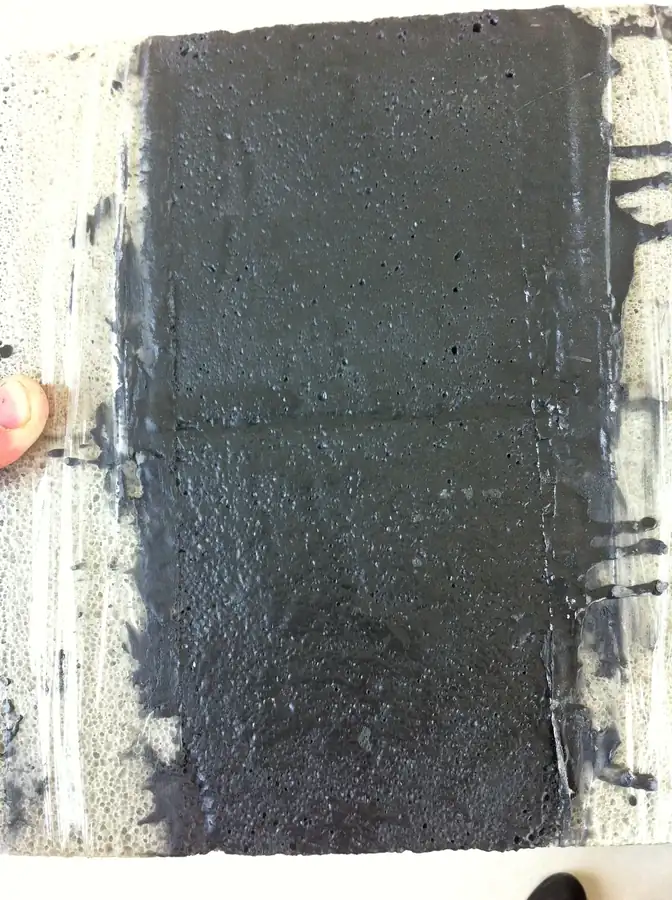
Solutions
Assess fuel and ash chemistry, gas path, temperature, erosion zones, deposits and cooldown condensate before defining the protection route.
Condition-based protection for waterwalls, tube banks, flues and gas-treatment equipment.
Fuel chemistry, ash flow, local atmosphere, particles and cooldown condensate can act together on boiler surfaces.
Oxidation, scaling, cracking and corrosion during cooldown
Fuel chemistry, ash flow, local atmosphere, particles and cooldown condensate can act together on boiler surfaces.
Condition-based protection for waterwalls, tube banks, flues and gas-treatment equipment.
Record the equipment, substrate, medium, temperature pattern and access window.
Separate corrosion, wear, heat flow and application causes before selection.
Define the required protection, inspection access and maintenance outcome.
Match compatible layers to the confirmed substrate and operating exposure.
Plan preparation, application controls, curing, inspection and later repair.
Prepared compatible high-temperature surfaces with documented operating conditions
Product temperature limits and curing requirements must be checked from the approved source
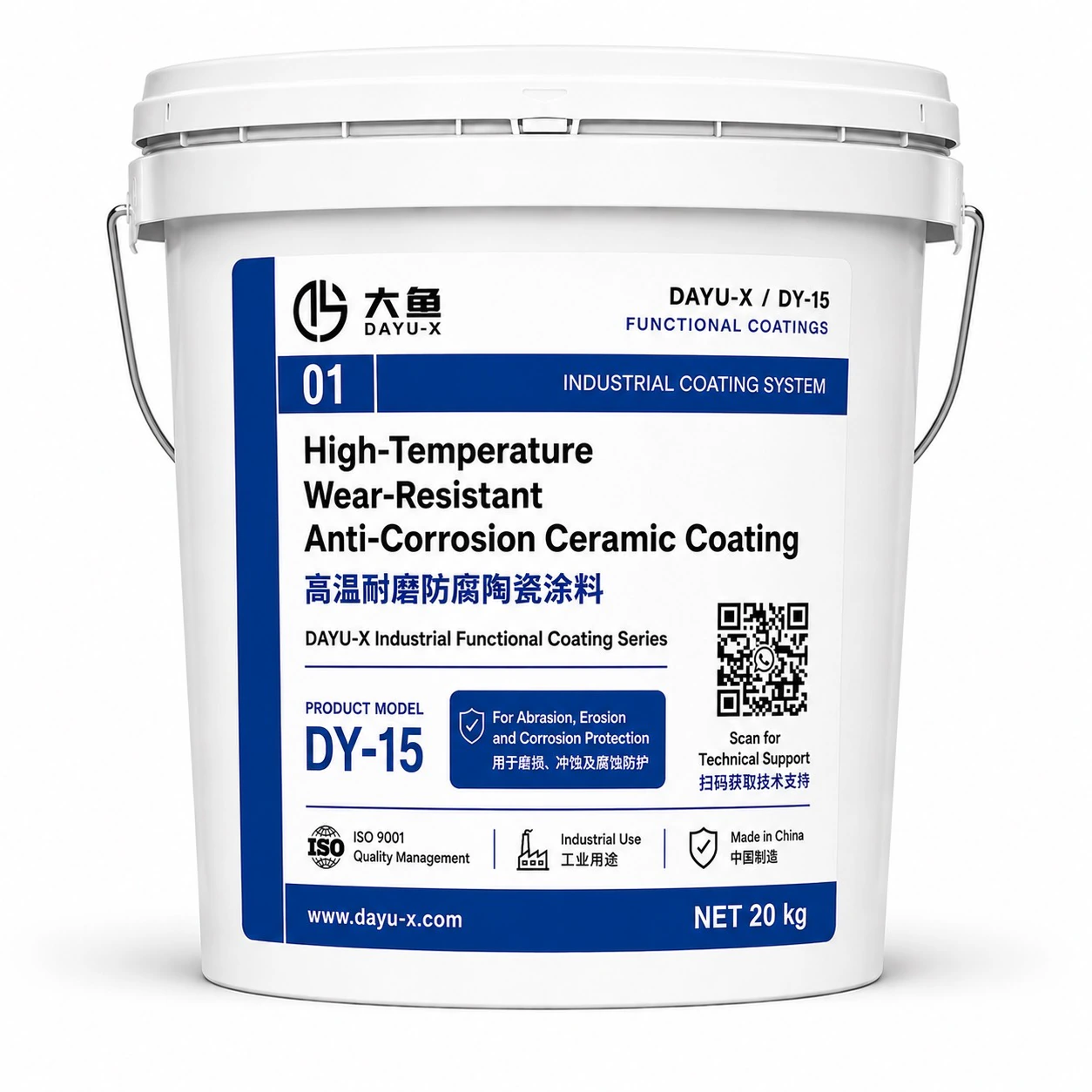
Protective coating systems for equipment exposed to abrasion, particle erosion and combined corrosive service.
Typical equipmentBucket elevator · Silo and hopper
View product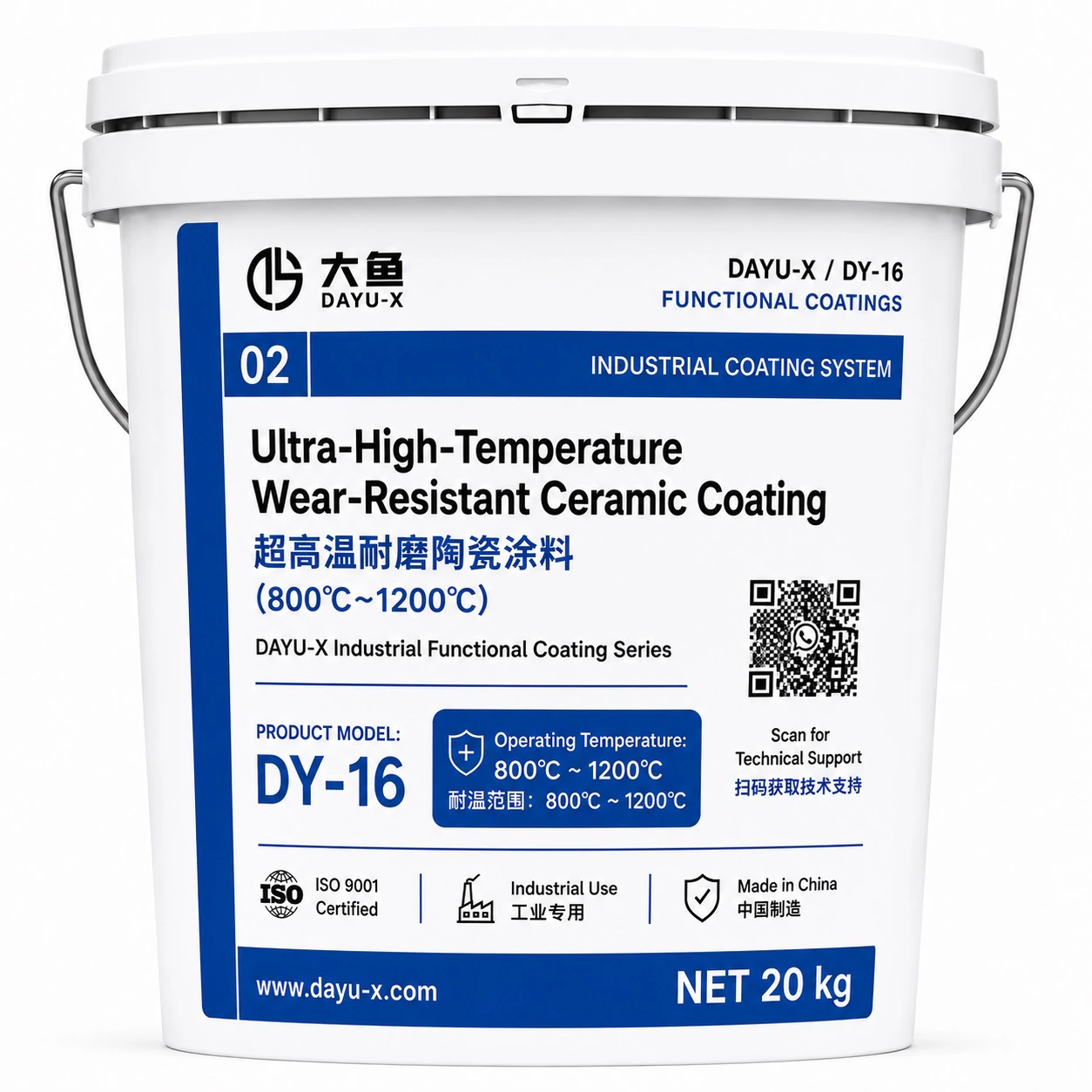
Protective coating systems for equipment exposed to abrasion, particle erosion and combined corrosive service.
Typical equipmentWaterwall tube · Economizer
View product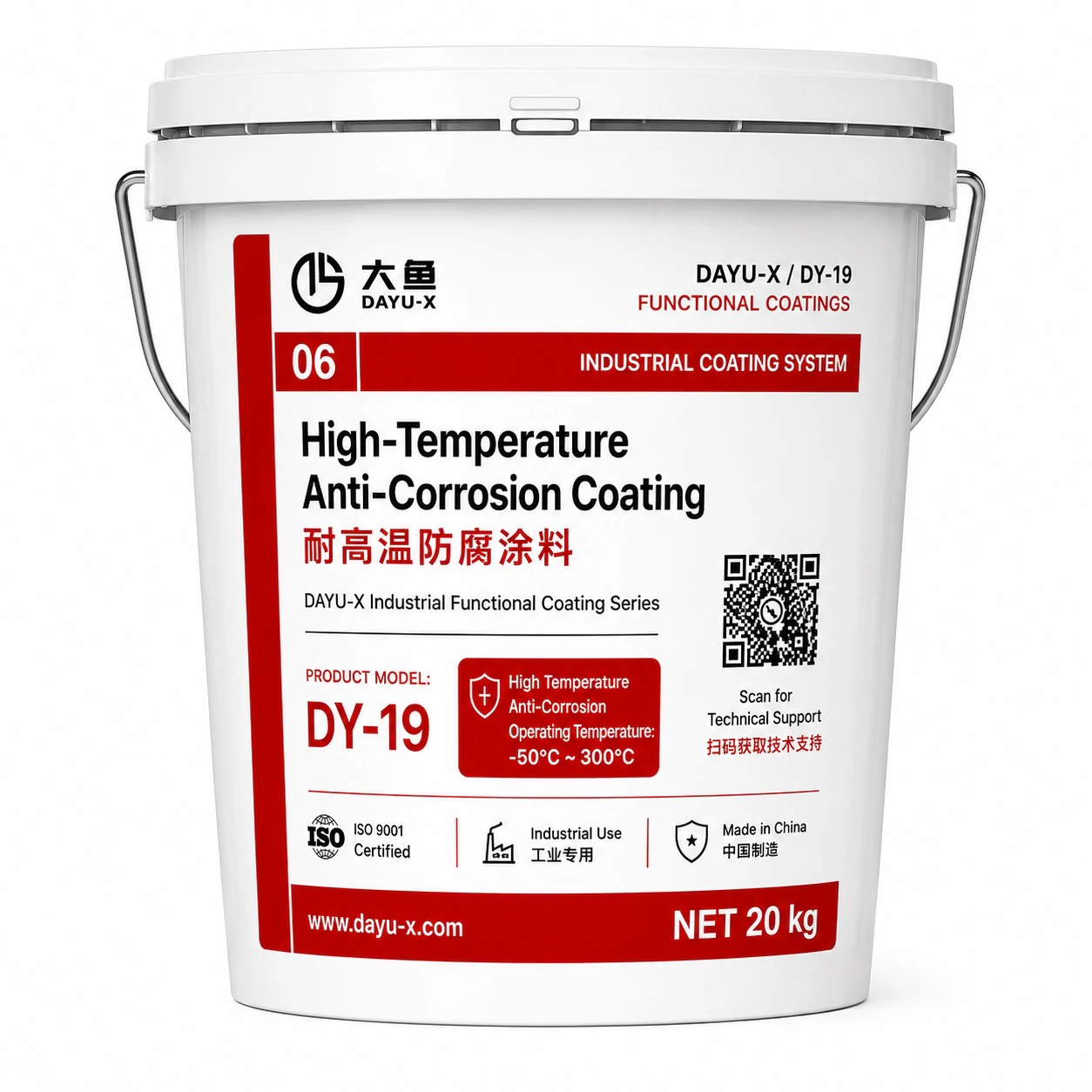
Protective systems selected for the actual temperature, thermal cycle, substrate and corrosive exposure.
Typical equipmentIndustrial kiln · High-temperature pipeline
View productProvide the boiler zone, substrate, fuel and ash information, continuous and peak temperature, gas path, deposits, erosion location, shutdown condition and inspection access.
Chemical attack, oxidation, particle impact and sliding ash can occur in different zones and may require different preparation, detailing or product functions.
Waterwall transitions, welds, bends, tube sides, shadow zones and repaired areas require specific access, continuity and inspection planning.
DAYU-X
Describe the equipment, medium, operating temperature and failure signs so the protection direction can be assessed.