
When this product direction fits
Protective coating systems for equipment exposed to abrasion, particle erosion and combined corrosive service.
Wear Resistant Coatings
DY-16
High-temperature ceramic wear coating for compatible waterwall tubes, economizers, superheaters and other hot surfaces exposed to particle erosion.
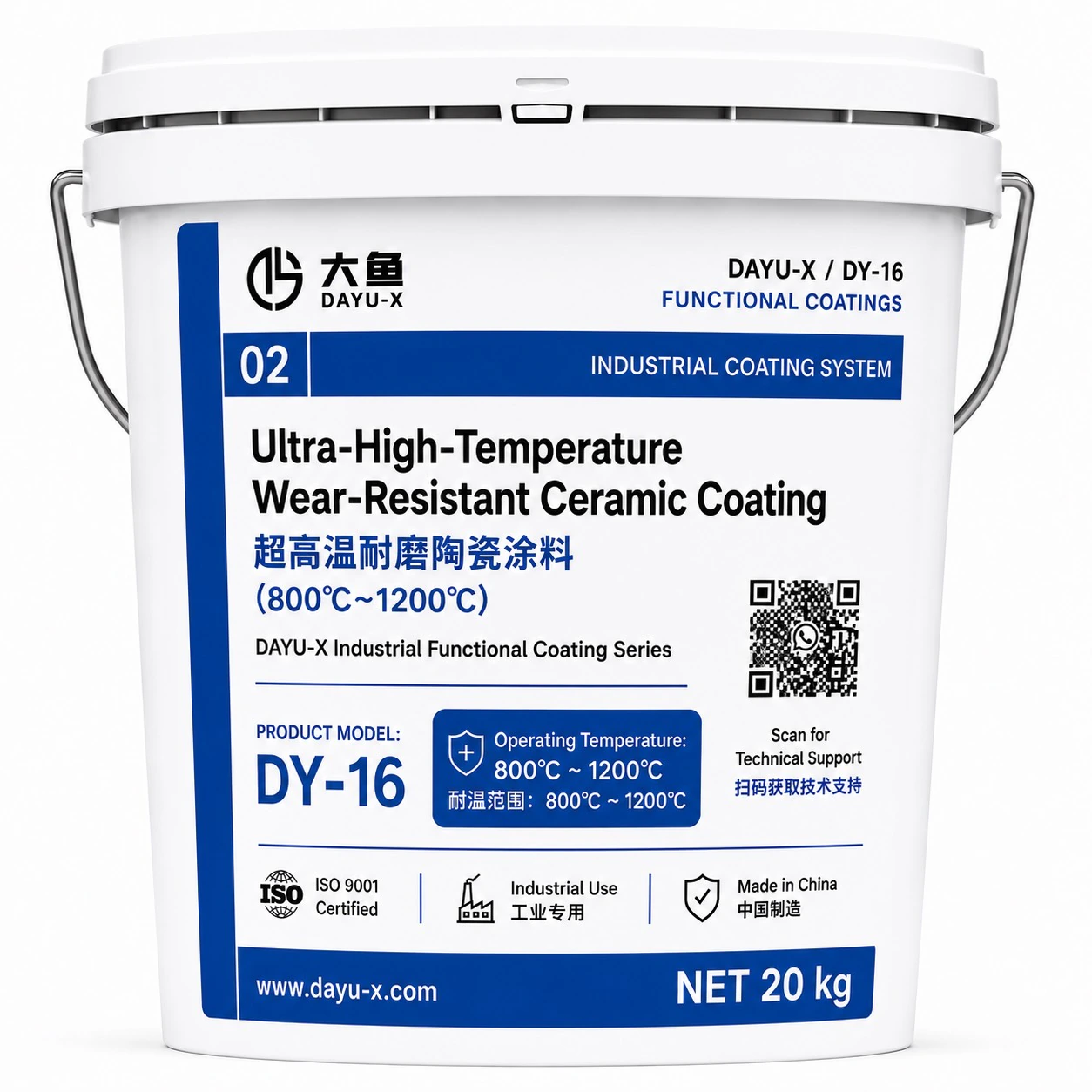
DY-16 is a high temperature wear resistant coating for compatible waterwall tubes, economizers, superheaters and other hot industrial surfaces exposed to particle erosion. The ceramic system is intended for conditions where heat, oxidation, thermal shock and wear must be reviewed together. Boiler erosion protection is highly location-specific: particle loading, gas velocity, flow direction, ash characteristics, tube geometry and local temperature all influence where material loss occurs. Selection should therefore use equipment inspection and operating information rather than the product name alone. DY-16 has a different high-temperature application intent from DY-15, which is positioned primarily for chutes, hoppers, silos and general material-handling wear.
A modified organosilicon and low-melting amorphous glass coating with zirconia, boron nitride, silicon carbide and ceramic fillers.
Protective coating systems for equipment exposed to abrasion, particle erosion and combined corrosive service.
Unlike a general anti-corrosion coating, this series is selected where particle movement, abrasion or impact is a primary design factor.
Suitability depends on the actual substrate, medium, concentration, temperature cycle, exposure mode and application window. Final system selection and project-specific instructions require technical review.
DY-16 owns the high-temperature wear intent for compatible boiler and heating surfaces. DY-15 addresses abrasion and erosion on material-handling equipment. Confirm the actual temperature and damage mechanism.
Typical application context
Power & Energy · Steel · Petrochemical & Refining: application review for Waterwall tube · Economizer · Superheater tube.
Protective coating systems for equipment exposed to abrasion, particle erosion and combined corrosive service. Confirm the substrate, exposure and maintenance access before final selection.
Power & Energy
Steel
Petrochemical & Refining
Industrial Equipment
Prepared high-temperature metal surfaces
800°C to 1750°C product range stated in source title
DY-16
Only values available in the reviewed product source are shown.
Confirm substrate condition, contamination, corrosion, defects and access before work starts.
Remove oil, dust and loose material; prepare cleanliness and profile to the reviewed product procedure.
Check compatibility of retained coatings and complete a representative trial area when the existing system is uncertain.
Prepare and mix only according to the product source; do not improvise ratio, thinner or pot life.
Build a continuous system in controlled layers, with special attention to edges, welds, joints and shadow zones.
Protect the applied area through curing, then inspect continuity, visible defects and recorded source-backed acceptance items.
Abrasive blast to Sa 2.5 with 30-60 μm roughness; local repair to St 3.
5-60°C; relative humidity ≤85%; substrate ≥3°C above dew point.
Mechanically stir; if a hardener is supplied, add slowly and mix for 3-5 minutes according to the product label.
Brush, roller, air spray or airless spray.
Touch dry 2 h; hard dry 24 h.
Confirm the supplied packaging form and label instructions before mixing.
Official product source: High-temperature wear-resistant anti-corrosion ceramic coating 800-1750°C / DY-16 source document
Check surface-preparation records, environmental conditions, layer continuity, edges, welds and visible defects. Use only acceptance criteria stated in the reviewed product or project documents.
Inspect representative high-risk locations during planned maintenance. Clean the area, identify the cause of damage, feather sound edges and verify compatibility before local repair.
Suitability depends on the actual substrate, medium, concentration, temperature cycle, exposure mode and application window. Final system selection and project-specific instructions require technical review.
Technical documents
TDS, SDS, MSDS, test reports and other project-related technical documents are available based on specific project requirements. Please contact us through WhatsApp.
Inspect and map the affected zones, identify particle-flow conditions, then review a compatible high-temperature coating system, preparation, application and inspection plan.
Particle loading, velocity, impact direction, ash characteristics, gas flow, tube geometry, temperature and corrosion can all contribute to localized material loss.
It may be considered when verified inspection and operating data show combined elevated temperature and particle erosion on a compatible substrate.
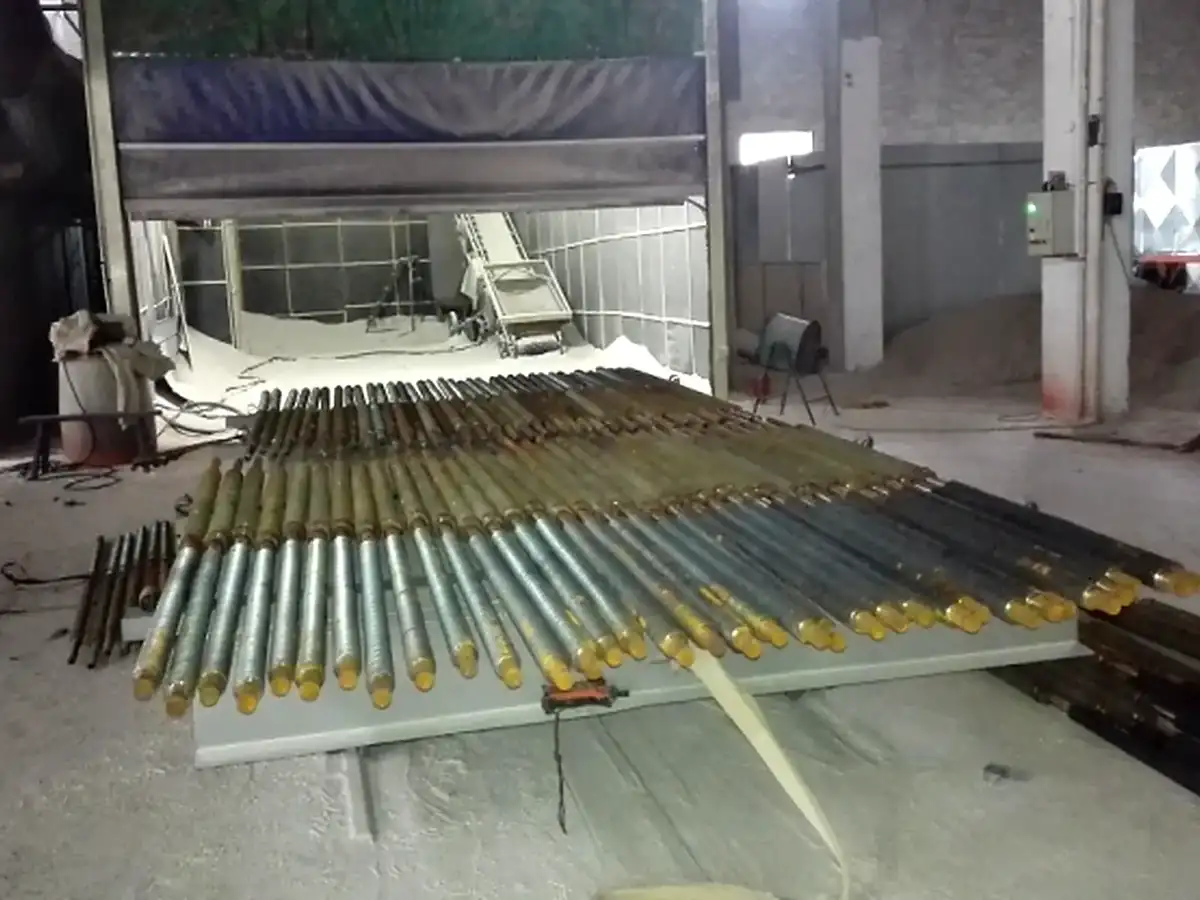
High-temperature gas, ash particles, thermal cycling and local erosion around boiler and flue surfaces.
View case
Dense tube geometry, welds, restricted spray angles, deposits and staged shutdown work inside the boiler.
View case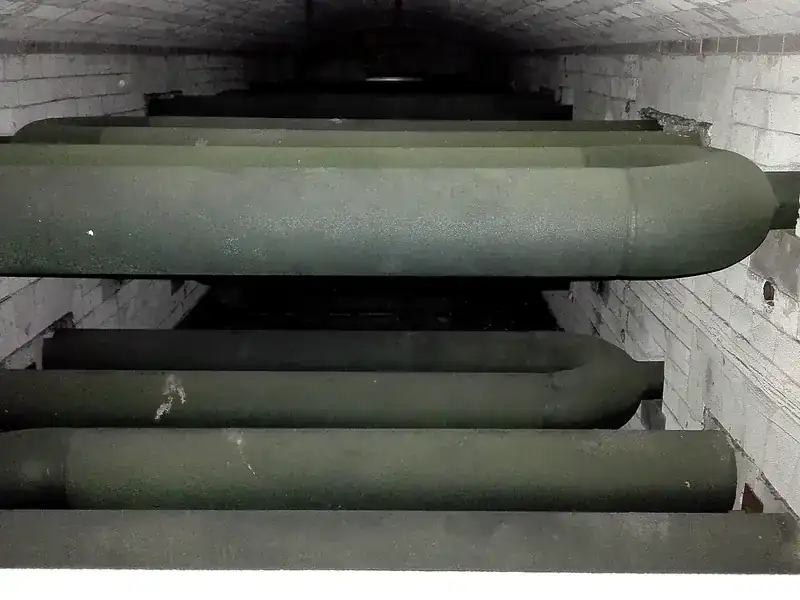
High temperature, repeated thermal cycling and deposits on furnace walls, rollers and radiant tubes.
View case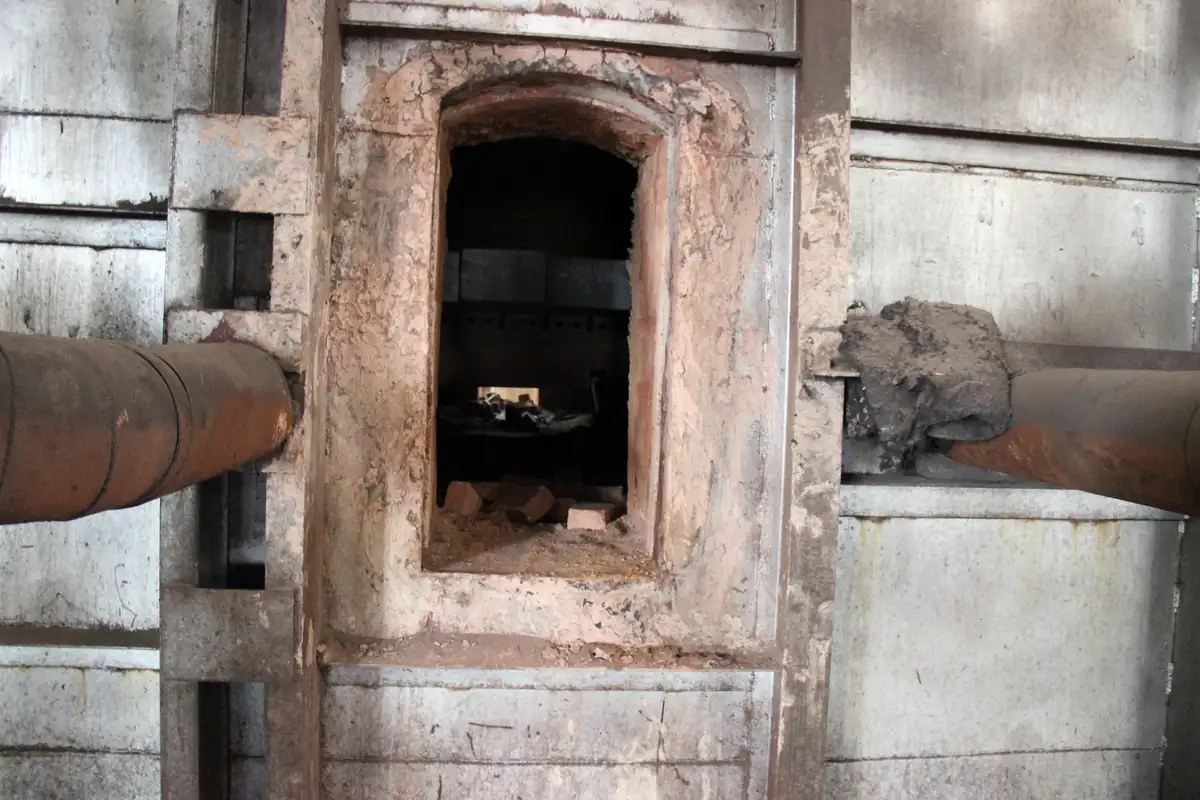
High temperature, repeated thermal cycling and deposits on furnace walls, rollers and radiant tubes.
View case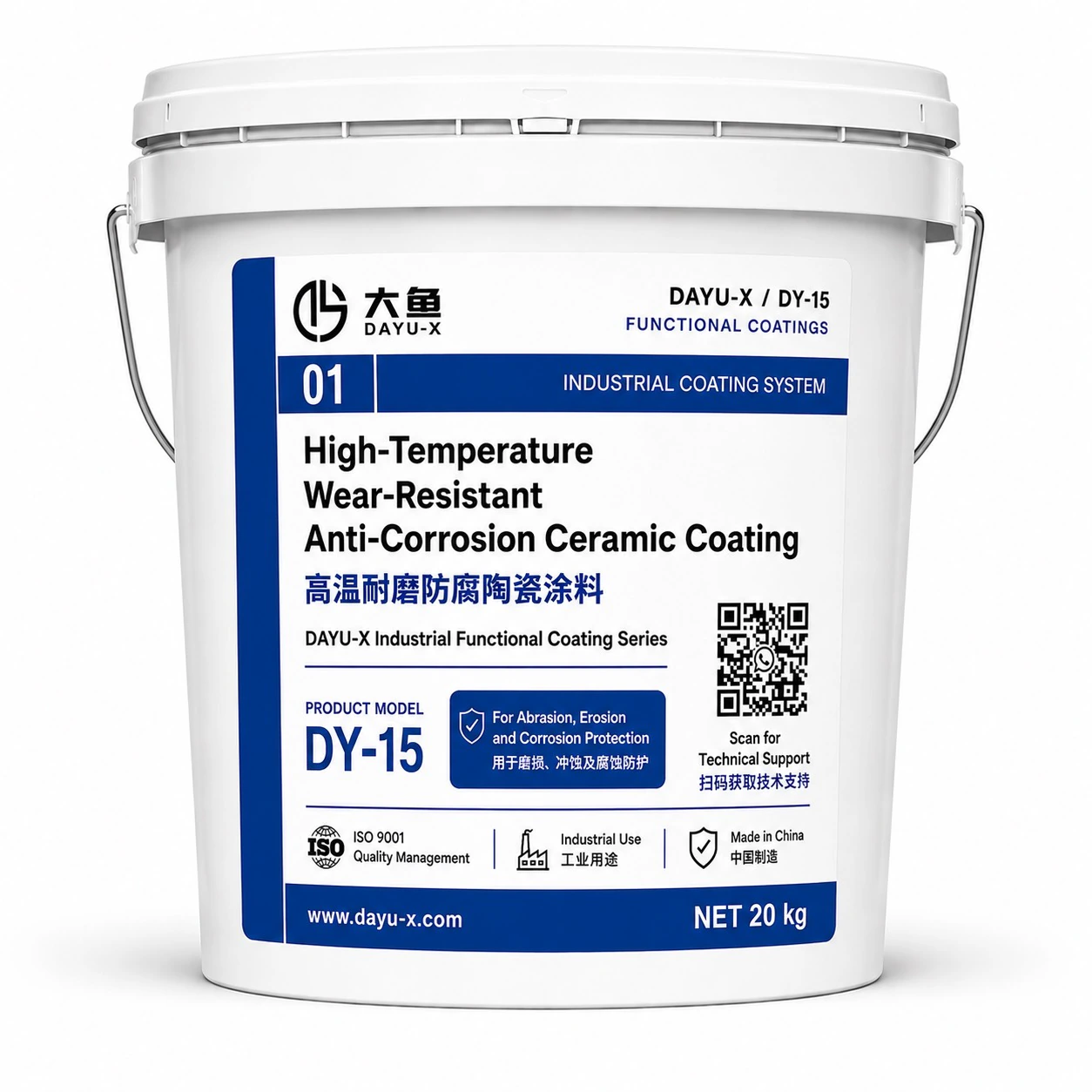
Protective coating systems for equipment exposed to abrasion, particle erosion and combined corrosive service.
Typical equipmentBucket elevator · Silo and hopper
View product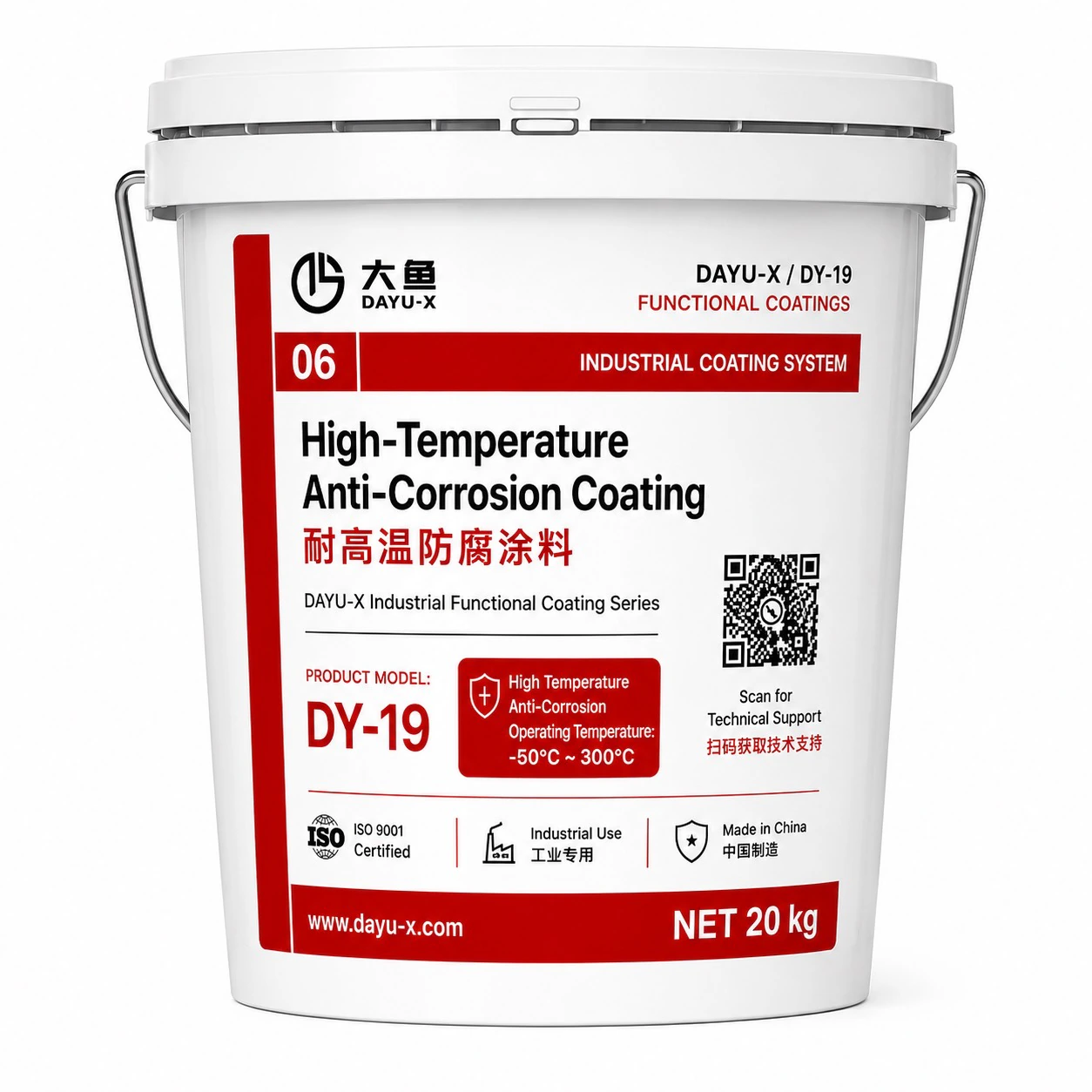
Protective systems selected for the actual temperature, thermal cycle, substrate and corrosive exposure.
Typical equipmentIndustrial kiln · High-temperature pipeline
View product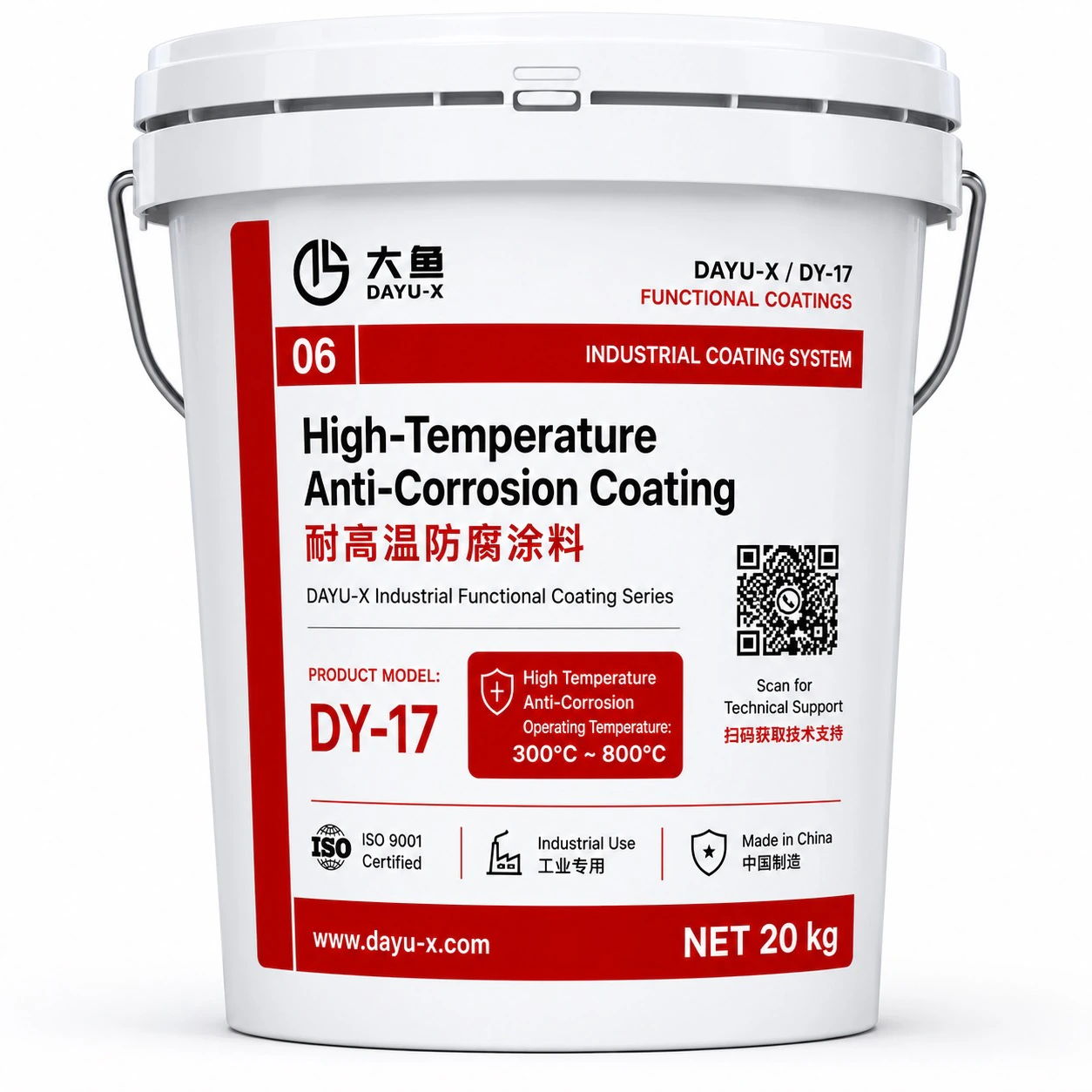
Protective systems selected for the actual temperature, thermal cycle, substrate and corrosive exposure.
Typical equipmentFurnace shell · Drying oven
View product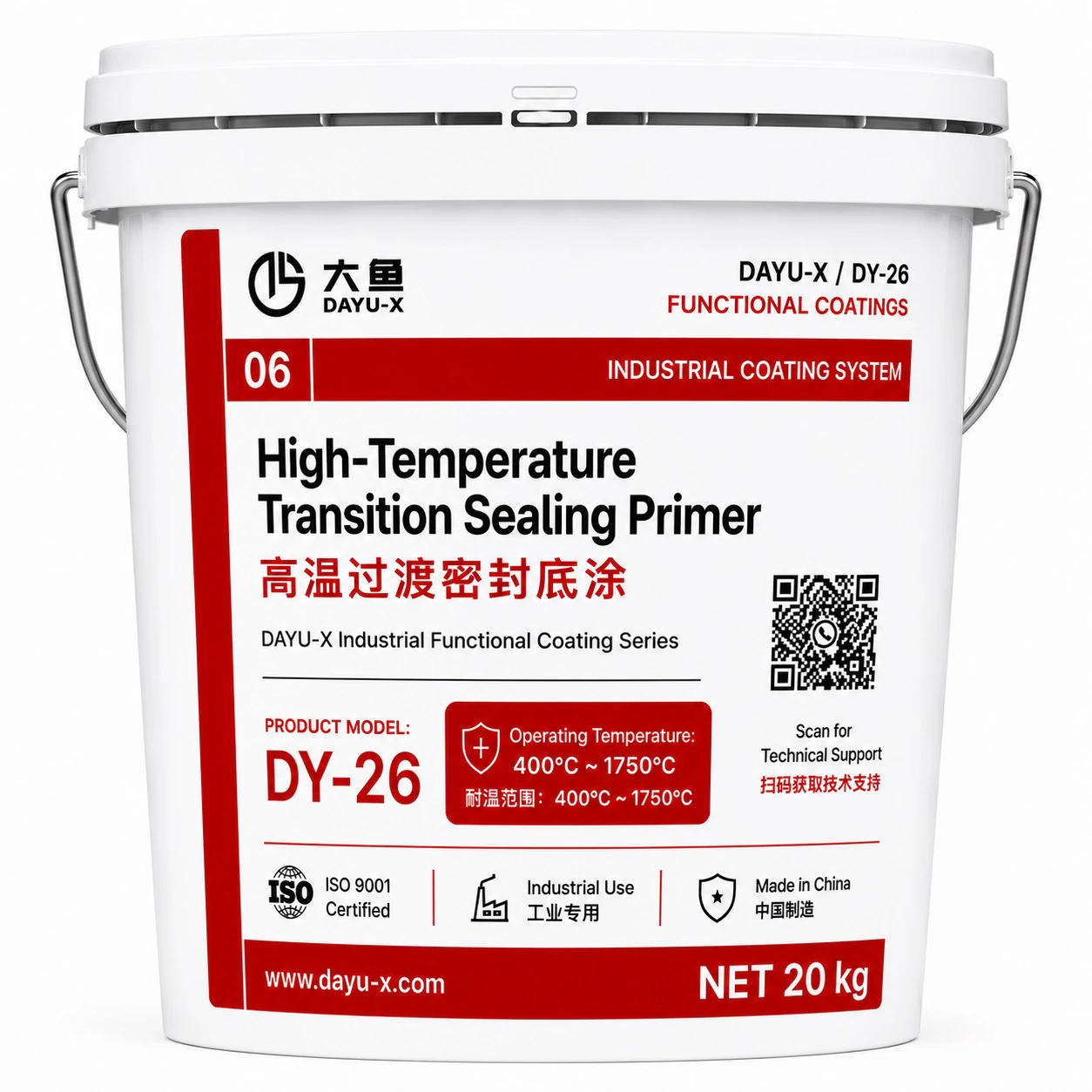
Protective systems selected for the actual temperature, thermal cycle, substrate and corrosive exposure.
Typical equipmentThermal-sprayed metal · High-temperature equipment
View productDAYU-X
Share the equipment, substrate, medium, temperature and current problem for a focused technical review.